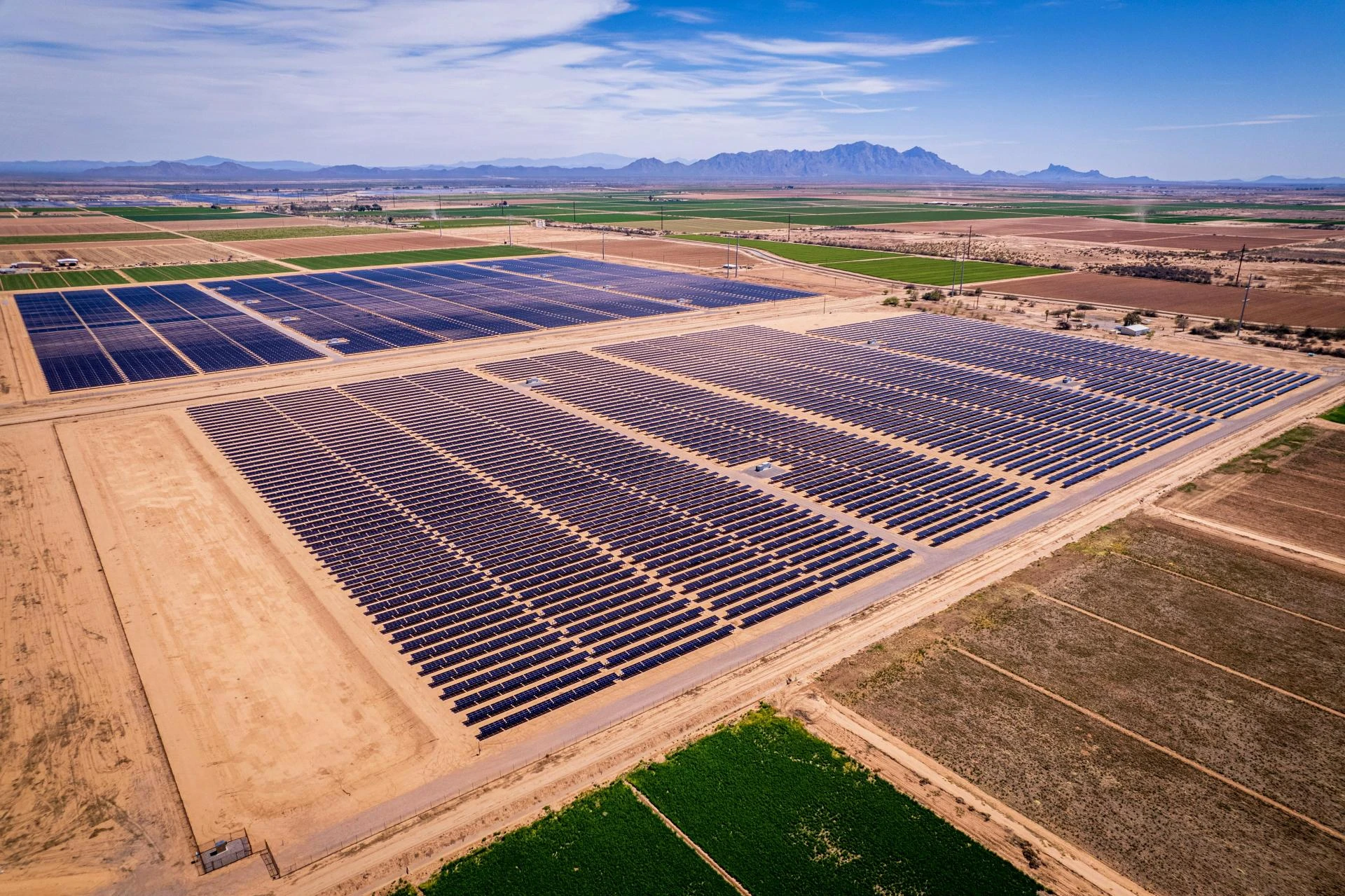
As the world shifts toward renewable energy, landowners across the country are discovering a unique opportunity to benefit from this green revolution: leasing their land for solar energy development. If you own unused or underutilized land, solar land leasing could be a powerful way to generate consistent passive income while contributing to a cleaner future.
What Is a Solar Land Lease?
A solar land lease is an agreement between a landowner and a solar developer, allowing the developer to use the land to build and operate a solar farm. These leases typically span 20 to 30 years and offer a stable income stream for landowners, often with minimal disruption to daily life or existing agricultural use.
Why Lease Your Land for Solar?
- Steady Income
- Solar leases can provide fixed annual payments, ranging from $300 to over $2,000 per acre depending on location, land quality, and local energy markets.
- Low Impact Use
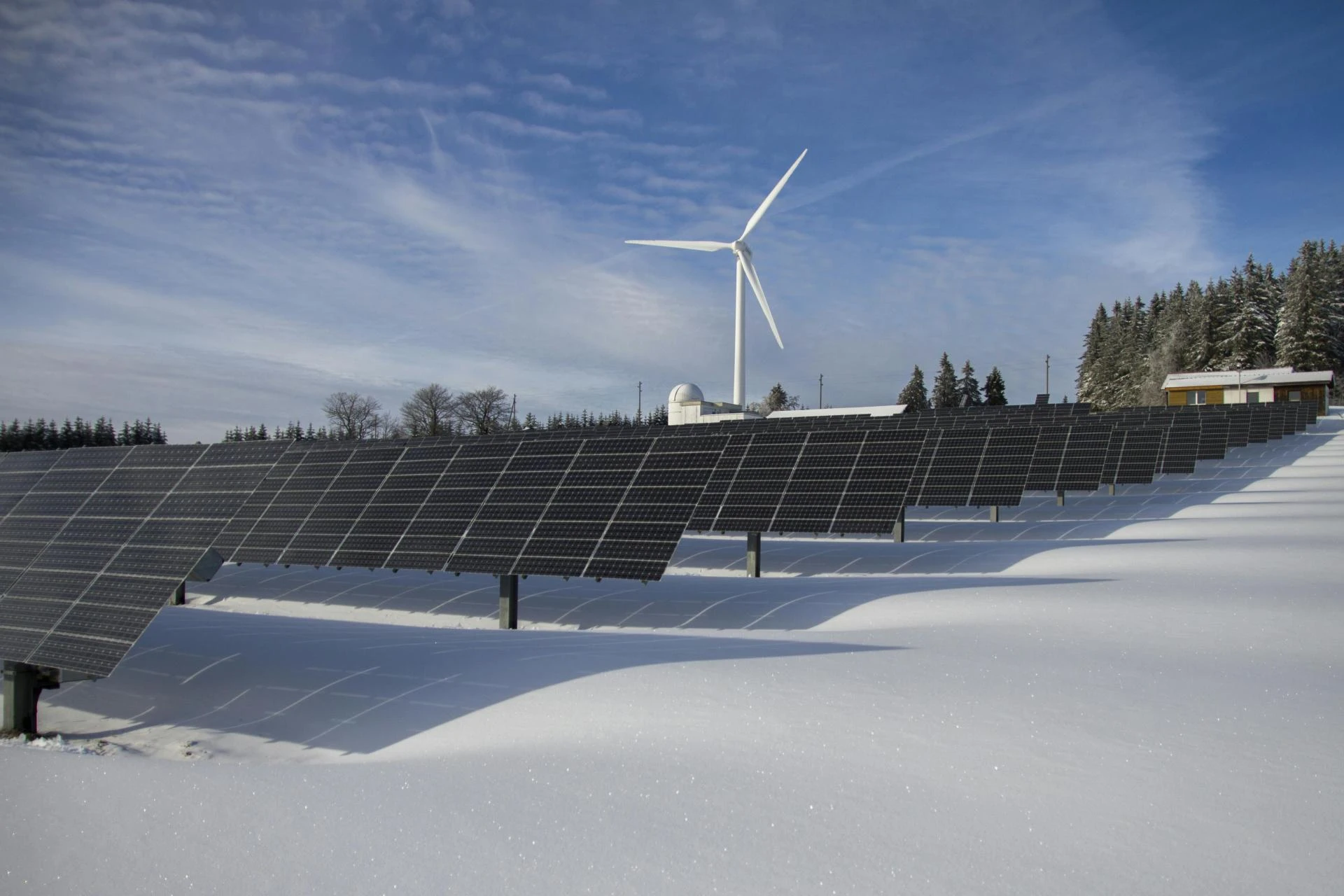
- Unlike other industrial uses, solar farms are quiet, require little maintenance, and are low impact on the environment. Some leases even allow dual-use, like grazing sheep or growing pollinator-friendly plants.
- Increased Land Value
- Land leased for solar may be more attractive to buyers in the future, particularly those interested in green investments.
- Support Renewable Energy
- By leasing your land, you’re helping meet rising energy demands with sustainable sources—playing a role in combating climate change.
Is Your Land Suitable for Solar Leasing?
Solar developers typically look for:
- 10+ acres of flat or gently sloped land
- Clear, unobstructed access to sunlight
- Proximity to existing power lines or substations
- Minimal environmental or zoning restrictions
Farmland, pasture, or even brownfields may qualify. A feasibility study by a developer can determine your land’s potential.
The Leasing Process
- Initial Contact & Evaluation
- Developers assess your land through maps, satellite data, and site visits.
- Lease Negotiation
- Terms including lease duration, payment structure, and responsibilities are outlined.
- Permitting & Construction
- Once permits are approved, construction begins—usually within a year of signing.
- Operations & Maintenance
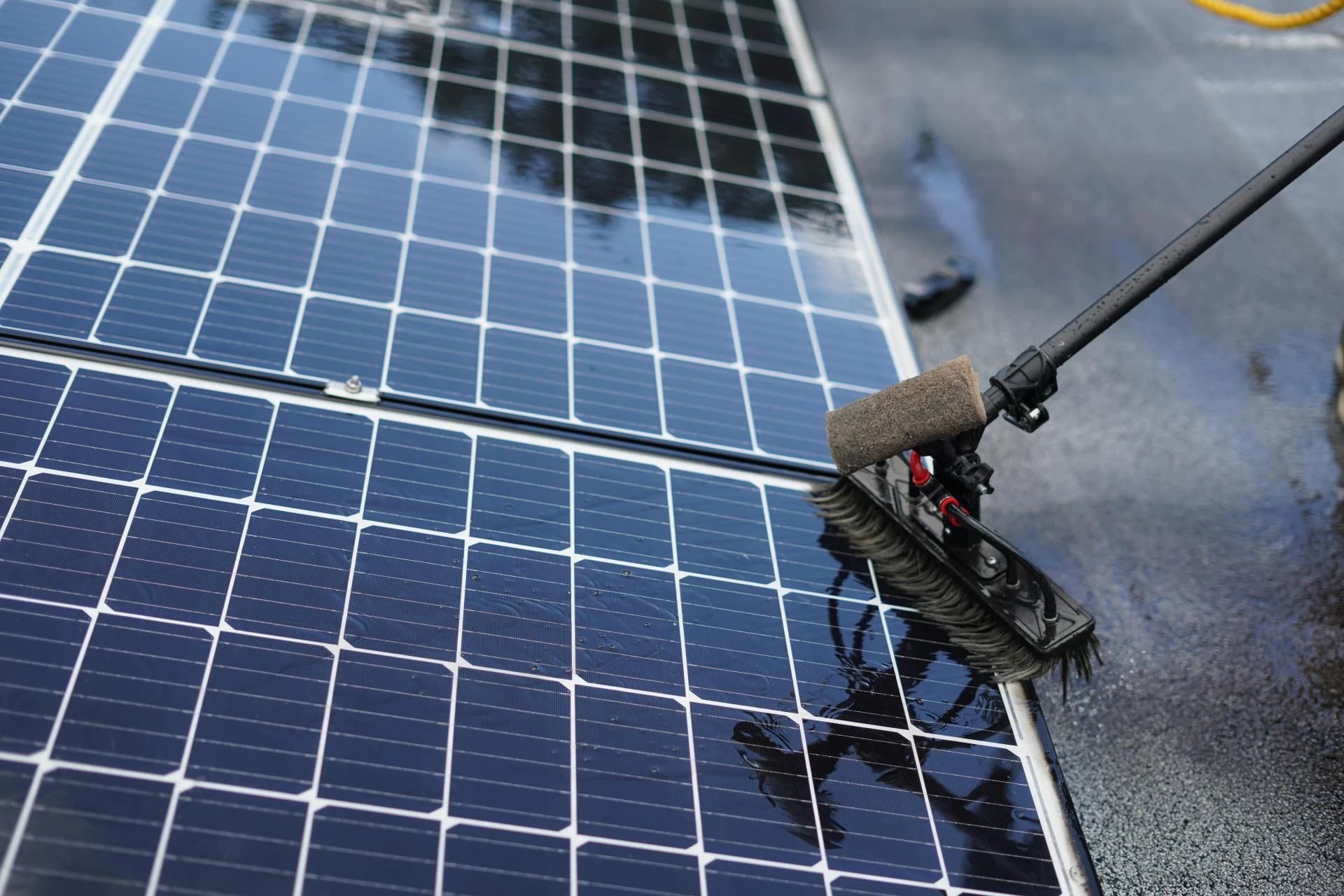
- Developers handle ongoing maintenance. You simply receive lease payments.
Final Thoughts
Leasing your land for solar is a forward-thinking investment. It can turn unused property into a long-term income generator, all while contributing to a sustainable future. If you've ever thought, "Can I lease my land for solar?"—the answer might be yes.



























Sign in to leave a comment.