
Introduction
Shopping for a laptop in 2026 means wading through a flood of specs, marketing buzzwords, and conflicting reviews. If you've landed on this page, chances are you're comparing the Lenovo Legion 7i against other high-performance machines and trying to figure out whether it's actually worth your money or whether something like the HP ZBook Firefly G11 or the ASUS ROG Flow Z13 might serve you better.
This guide breaks down everything you need to know: the hardware inside the Legion 7i, how it performs in the real world, who it's actually built for, and how it stacks up against workstation and tablet-style alternatives. By the end, you'll have a clear, no-nonsense answer about whether this laptop belongs on your shortlist.
What Is the Lenovo Legion 7i?
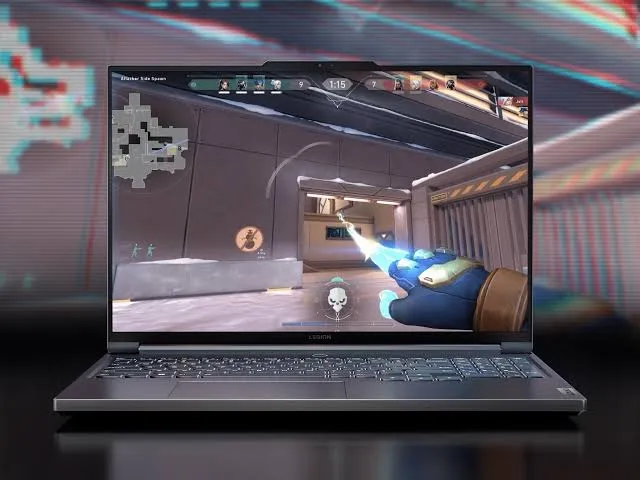
The Legion 7i is Lenovo's flagship thin-and-light gaming laptop, sitting at the top of the Legion lineup alongside the beefier Legion Pro series. Where the Legion Pro models chase maximum frame rates in a bulkier chassis, the Legion 7i is built for people who want serious performance without hauling around a desktop replacement. It's aimed at gamers who also edit video, stream, or do creative work during the day and want one machine that handles all of it.
The 2026 refresh brings Intel's latest Core Ultra HX processors, NVIDIA's RTX 50-series graphics, and an OLED display option, all wrapped in a chassis that's noticeably thinner than most gaming laptops in its class.
Key Specifications
Here's what you'll typically find in the 2026 Legion 7i lineup:
- Processor: Intel Core Ultra 9 275HX (or Core Ultra 7, depending on configuration)
- Graphics: NVIDIA GeForce RTX 5070 Laptop GPU, with newer configurations bumping VRAM up to 12GB from the previous 8GB
- Memory: Up to 32GB DDR5-6400 RAM
- Storage: 1TB PCIe 4.0 NVMe SSD, with dual M.2 slots for easy upgrades
- Display: 16-inch OLED panel with a high refresh rate (up to 240Hz), vivid colors, and deep blacks
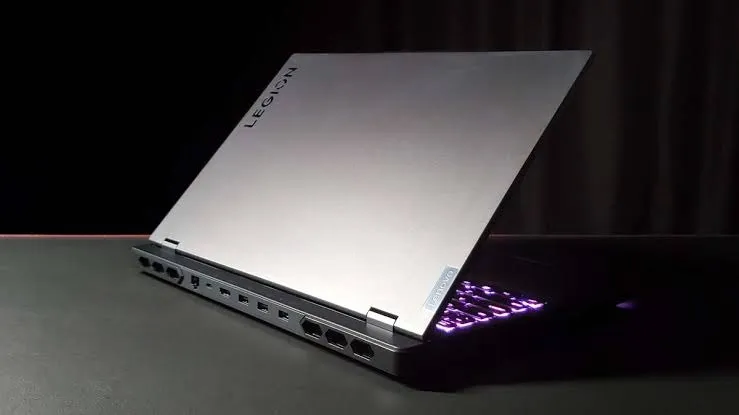
- Build: Anodized aluminum chassis, weighing around 4.4 lbs
- Battery Life: Roughly 5.5 hours of office-style use with the discrete GPU disabled
Notably, the laptop skips Thunderbolt 5, which is a small but real drawback if you rely on the fastest external storage or docking solutions.
Performance: Gaming and Everyday Use
The headline upgrade in the 2026 model is the jump from 8GB to 12GB of VRAM on the RTX 5070, which matters more than it sounds. That extra memory headroom helps with high-resolution textures in modern games and gives creative software like video editors and 3D rendering tools more breathing room.
In practical terms, the Legion 7i handles QHD (1440p) gaming comfortably, especially when NVIDIA's DLSS and frame-generation technology are switched on. Competitive esports titles run smoothly at high frame rates, while demanding AAA games remain playable at high settings without needing to drop resolution.
Beyond gaming, the Core Ultra HX processor manages everyday multitasking, content creation, and light professional workloads well. Thermal management has also improved generation-over-generation, with quieter fans and better sustained performance under load though, like most thin gaming laptops, it can still run warm during extended heavy use.
Design and Build Quality
One of the Legion 7i's biggest selling points is how it looks and feels compared to typical gaming laptops. Instead of aggressive angles and loud RGB everywhere, it leans into a cleaner, more professional aesthetic an anodized aluminum shell, a customizable keyboard, and a display that can go toe-to-toe with dedicated creative laptops.
The 16-inch OLED panel is a real highlight: color accuracy and contrast are excellent, which is a big deal whether you're gaming, watching movies, or doing color-sensitive creative work. The tradeoffs are the ones you'd expect from any OLED laptop a small risk of long-term burn-in and more noticeable glare in bright environments.
How Does It Compare? Legion 7i vs. HP ZBook Firefly G11
It might seem like an odd matchup at first one is a gaming laptop, the other a business mobile workstation but plenty of buyers are cross-shopping these two because both promise a mix of performance and portability.
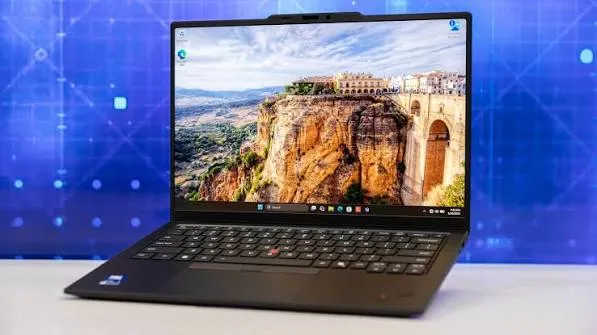
The HP ZBook Firefly G11 is built for a completely different audience: professionals who need a lightweight, business-certified machine with strong security features (fingerprint readers, vPro support), solid connectivity (dual Thunderbolt 4, Wi-Fi 6E), and dependable all-day usability. It typically ships with Intel Core Ultra processors, up to 64GB of RAM, and either integrated graphics or an entry-level discrete GPU like the NVIDIA RTX A500 nowhere near enough for serious gaming, but plenty for CAD, office work, and light content creation.
If your priority is raw gaming and creative horsepower, the Legion 7i wins easily thanks to its RTX 5070 GPU and OLED display. But if you need enterprise security features, exceptional keyboard ergonomics for all-day typing, and a machine that's built specifically for business environments, the ZBook Firefly G11 is the more sensible choice. They're not really direct competitors they're built for different jobs.
How Does It Compare? Legion 7i vs. ASUS ROG Flow Z13
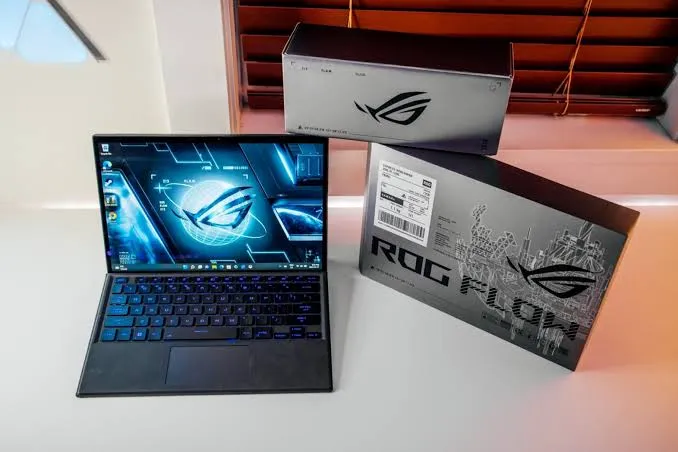
The ASUS ROG Flow Z13 takes a completely different approach to portable gaming: it's a detachable 2-in-1 tablet rather than a traditional laptop, powered by AMD's Ryzen AI Max+ chip with a unified memory architecture that can be configured with a substantial amount of shared RAM.
The Flow Z13's biggest appeal is its form factor a 13-inch gaming tablet you can detach from its keyboard, paired with a vibrant, high-refresh display. It's an engineering marvel for its size, but that size comes with tradeoffs: thermal throttling during long gaming sessions is more noticeable than on a larger chassis like the Legion 7i, since there's simply less room for cooling.
If ultimate portability and a novel form factor matter most to you, the Flow Z13 is genuinely unique in the market. But if you want sustained gaming performance without thermal compromises, plus a larger, more comfortable display for extended sessions, the Legion 7i's 16-inch chassis has a clear advantage in raw, sustained performance.
Real-World Use Cases
- Streamers and content creators: The combination of a capable CPU, RTX 5070 GPU, and OLED display makes the Legion 7i a strong pick for anyone who games during downtime and edits video or streams during work hours.
- Students in creative or technical programs: The upgradable storage and solid all-around performance make it a laptop that can keep up with coursework and personal projects alike.
- Hybrid gamers and professionals: If you want one laptop instead of a gaming rig plus a separate work laptop, the Legion 7i's balance of design and power is hard to beat in this segment.
Pros and Cons
Pros:
- Excellent 16-inch OLED display with strong color accuracy
- RTX 5070 GPU with improved 12GB VRAM handles 1440p gaming well
- Thinner and lighter than most gaming laptops in its performance class
- Dual M.2 slots make storage upgrades simple
- Improved thermals and quieter fan performance over previous generations
Cons:
- No Thunderbolt 5 support
- Battery life is mediocre for all-day use away from a charger
- OLED panels carry a small long-term burn-in risk
- Pricing is on the higher end compared to some rivals with similar specs
Frequently Asked Questions
Is the Lenovo Legion 7i good for gaming in 2026? Yes. With an RTX 5070 GPU and a high-refresh OLED display, it comfortably handles 1440p gaming in both esports titles and demanding AAA games, especially with DLSS and frame generation enabled.
Can the Legion 7i handle professional creative work? It can. The combination of a powerful Intel Core Ultra HX processor and ample RAM makes it capable for video editing, 3D rendering, and other creative workloads, though dedicated workstations may still edge it out for certain professional certifications.
How does the Legion 7i compare to the HP ZBook Firefly G11 for business use? The ZBook Firefly G11 is the better choice for business use, thanks to its enterprise security features and business-focused design. The Legion 7i is better suited to gaming and creative work rather than corporate environments.
Is the ASUS ROG Flow Z13 a better choice for portability? If a detachable tablet form factor is your top priority, yes. But the Legion 7i offers better sustained performance and a larger display for extended gaming or work sessions.
Does the Legion 7i support external GPUs or Thunderbolt 5? No, the 2026 Legion 7i does not include Thunderbolt 5, which may be a drawback for users who rely on the fastest external storage or display connections.
Conclusion
The Lenovo Legion 7i (2026) manages a rare balance: it looks and feels premium, delivers strong 1440p gaming performance, and doubles as a capable creative machine, all in a chassis that doesn't scream "gaming laptop" the moment you open it. It's not perfect the missing Thunderbolt 5 support and so-so battery life are real considerations but for buyers who want one laptop that can game hard and work hard, it's one of the strongest options available right now.
If your needs lean more toward enterprise security and all-day business use, the HP ZBook Firefly G11 is worth a closer look. And if ultimate portability in a tablet form factor is non-negotiable, the ASUS ROG Flow Z13 offers something genuinely different.
What matters most to you in your next laptop raw gaming power, portability, or business-grade reliability? Drop a comment below, share this guide with a friend who's laptop shopping, and let us know which machine you're leaning toward.

























Sign in to leave a comment.