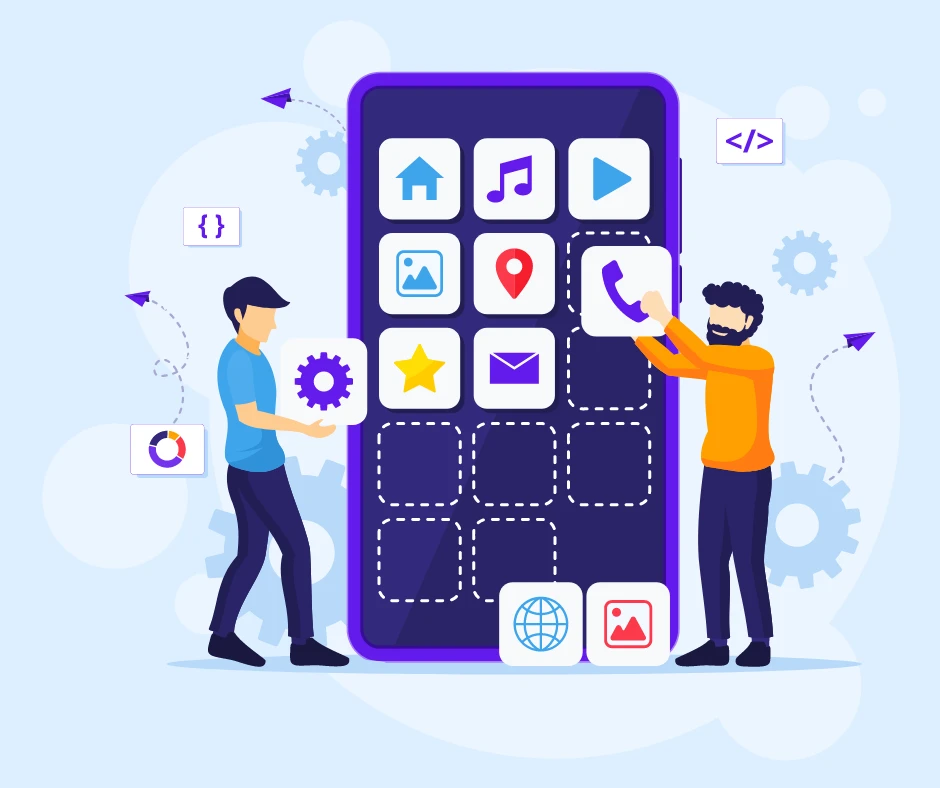

In today\'s fast-paced digital world, Android app development services are continually evolving to meet the demands of various industries. Among these, the healthcare sector stands out as a prime beneficiary of technological advancements. With the proliferation of mobile devices, there\'s a growing need for innovative solutions that streamline processes, improve patient care, and enhance overall efficiency. Reactive programming, particularly with RxJava, has emerged as a powerful paradigm for building responsive and scalable Android applications, making it an ideal choice for healthcare business ideas seeking to leverage the latest technology.
Understanding Reactive Programming and RxJava
Reactive programming is an asynchronous programming paradigm focused on data streams and the propagation of changes. It allows developers to write code that reacts to data changes and events in a declarative manner, leading to more concise and maintainable codebases. RxJava is a popular library for reactive programming in Java, offering a rich set of operators to work with asynchronous data streams.
Benefits of Android Development
- Asynchronous Operations: In healthcare applications, where real-time data processing and updates are crucial, RxJava enables seamless handling of asynchronous operations. This is particularly beneficial for tasks like fetching patient records, monitoring vital signs, or sending notifications.
- Responsive UI: User experience is paramount in healthcare apps. With RxJava, developers can easily manage UI events and data streams, ensuring a smooth and responsive interface. This is essential for applications handling critical tasks such as appointment scheduling or telemedicine consultations.
- Error Handling: Healthcare apps must handle errors gracefully to maintain reliability and user trust. RxJava provides robust error-handling mechanisms, allowing developers to handle errors at various points in the data stream and provide appropriate feedback to users.
- Scalability: As healthcare services expand and evolve, the scalability of the underlying technology becomes crucial. RxJava\'s reactive nature makes it well-suited for building scalable applications, capable of handling increasing loads and adapting to changing requirements.
Implementation in Healthcare Apps
- Real-time Data Monitoring: RxJava facilitates real-time monitoring of patient data, such as heart rate or blood glucose levels, by subscribing to data streams from sensors or external APIs. This enables timely interventions and personalized care plans.
- Event-driven Workflows: Healthcare workflows often involve complex sequences of events, such as patient admissions, consultations, and treatments. RxJava allows developers to model these workflows as reactive streams, simplifying the implementation and maintenance of such processes.
- Personalized Notifications: RxJava can be used to create personalized notification systems that deliver timely reminders for medication schedules, follow-up appointments, or health-related tips. These notifications can be tailored based on individual patient profiles and preferences.
Integrating RxJava into Android Projects
- Dependency Setup: Integrate RxJava into your Android project by adding the necessary dependencies to your build.gradle file. Ensure compatibility with other libraries and components used in your application.
- Observable Creation: Use RxJava\'s Observable class to create data streams from various sources, such as database queries, network requests, or user interactions.
- Operator Usage: Apply RxJava operators like map, filter, and merge to transform and manipulate data streams according to your application\'s requirements.
- Subscriber Implementation: Subscribe to the observable streams and define the actions to be taken when new data is emitted or in case of errors or completion events.
Conclusion
In the realm of Android app development services, especially within the healthcare domain, adopting reactive programming principles with RxJava can significantly enhance the performance, responsiveness, and scalability of applications. By leveraging asynchronous data streams and declarative coding styles, developers can create robust and user-friendly healthcare solutions that cater to the evolving needs of patients, practitioners, and healthcare organizations. Embracing this technology not only facilitates the creation of innovative healthcare apps but also opens doors to new and impactful healthcare business ideas.
Incorporating RxJava into Android projects for healthcare applications empowers developers to build solutions that revolutionize patient care delivery, streamline administrative processes, and ultimately contribute to better health outcomes.
























Sign in to leave a comment.