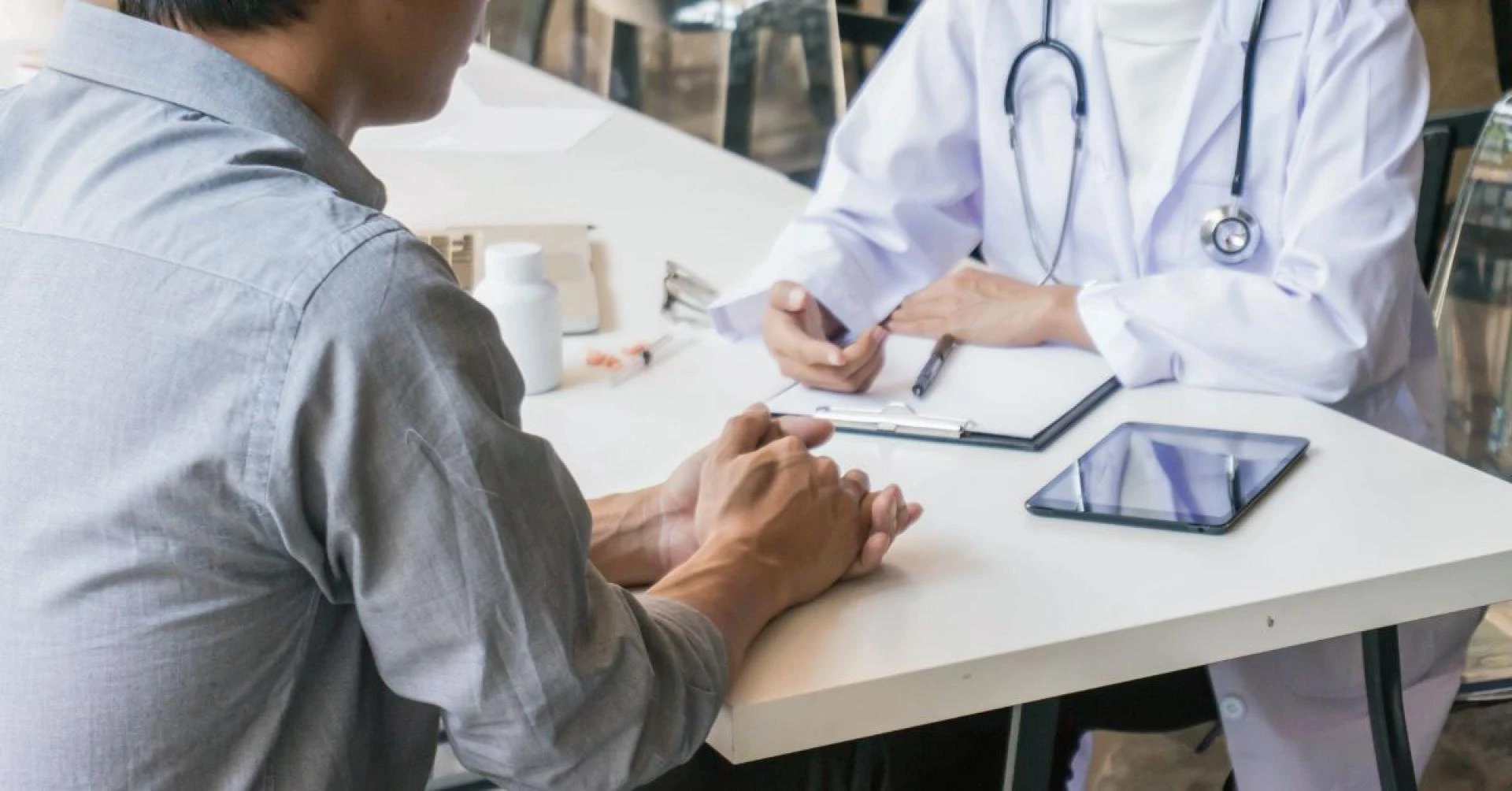

Gallbladder surgery is one of the most common abdominal procedures worldwide. For many people, it brings relief from pain, indigestion, and discomfort caused by gallstones. However, life after surgery can bring new questions about diet, digestion, and long-term health. Understanding what to expect after gallbladder removal can help you adapt smoothly and recover confidently.
Understanding Gallbladder Surgery
The gallbladder stores bile, a fluid produced by the liver that helps digest fats. When gallstones or inflammation interfere with its function, removing the gallbladder often becomes the best solution. Most patients today undergo a minimally invasive approach known as laparoscopic cholecystectomy surgery in Ahmedabad, which allows for smaller incisions, faster recovery, and less postoperative pain compared to traditional open surgery.
After surgery, your liver continues to produce bile, but instead of being stored in the gallbladder, it flows directly into your small intestine. This change can temporarily affect how your body digests fatty foods, leading to mild symptoms like bloating or loose stools.
The First Few Weeks After Surgery
The recovery period varies for everyone, but most patients start feeling better within a week or two. Light activity and short walks are encouraged soon after surgery to improve circulation and reduce the risk of complications. Avoid lifting heavy objects or doing intense exercise for at least a few weeks to allow your abdominal muscles to heal.
In the beginning, your digestive system may be sensitive. It’s best to eat small, frequent meals rather than large portions. Gradually reintroduce foods to see what your body tolerates. Some people notice temporary changes in bowel habits, but these usually settle within a few weeks.
Diet After Gallbladder Removal
Diet plays a major role in how well your body adjusts after surgery. Since bile flows continuously into your intestines, digesting large amounts of fat at once can be more difficult. Choosing the right foods can make recovery smoother and prevent digestive discomfort.
Focus on lean proteins such as chicken, fish, and lentils. Include whole grains, fruits, and vegetables to aid digestion and provide fiber. Healthy fats like those found in olive oil, avocado, and nuts are usually well tolerated in small amounts.
Limit fried foods, creamy sauces, and high-fat dairy products. These can trigger bloating or diarrhea during the early recovery period. Caffeine and alcohol can also irritate the digestive tract, so it’s wise to consume them in moderation.
Keeping hydrated is essential. Drink enough water throughout the day to support digestion and prevent constipation. Some patients find it helpful to eat at the same times each day to regulate bile flow and reduce stomach discomfort.
Lifestyle Changes for Long-Term Health
After gallbladder removal, most people can return to normal activities within a few weeks. However, adopting healthy habits can help maintain digestive balance and overall wellness. Regular exercise promotes metabolism and keeps your digestive system active. Walking, yoga, swimming, and cycling are gentle options that strengthen the body without straining your abdomen.
Maintaining a balanced weight is another key factor. Excess weight can contribute to digestive issues and fat intolerance. Focus on nutrient-rich meals instead of processed foods, and avoid skipping meals, as this can disrupt bile flow.
Managing stress also plays a part in digestive health. Practices like meditation, deep breathing, or even simple outdoor activities can help reduce tension and improve gut function.
Long-Term Effects and What to Expect
Most people live a completely normal life after gallbladder surgery. The liver adapts to the new bile flow pattern, and digestion stabilizes over time. A small number of patients may experience mild symptoms, such as occasional indigestion or bloating, especially after eating rich or spicy foods.
If symptoms persist, consulting your surgeon or gastroenterologist can help identify underlying causes. Sometimes, small dietary adjustments or medications can restore comfort.
It’s important to schedule regular follow-up appointments to monitor your recovery, especially during the first few months. Your doctor can assess your progress and guide you on when to resume all activities, including exercise and travel.
When to Seek Medical Advice
While complications are rare, you should contact your doctor if you experience persistent abdominal pain, fever, jaundice, or changes in stool color. These could indicate a bile duct issue or infection that needs medical attention.
Listening to your body is the best way to manage recovery. Most post-surgery symptoms are temporary and improve as your digestive system adapts.
Conclusion
Life after gallbladder surgery is usually smooth and full of relief from previous discomfort. With mindful eating, regular exercise, and routine checkups, you can enjoy a healthy and active life. The key is to give your body time to adjust and make gradual changes that support digestion and overall well-being.
Dr. Atul Shah and his team emphasize personalized care and long-term support for patients recovering from gallbladder removal. Patients receive comprehensive guidance to ensure a healthy, confident return to normal life after surgery.



























Sign in to leave a comment.