Some lifting jobs look simple until you actually have to move the load.
A stack of building materials may need to reach a higher level. A large piece of machinery may have to be positioned inside a commercial facility. Steel components may need to be placed accurately during construction. Rooftop equipment might need to be lifted from ground level without disturbing the rest of the property.
Trying to handle these jobs with ordinary equipment and manual labour can quickly become inefficient. This is where professional crane services can make a major difference.
The right crane gives a project the lifting power and reach needed to move heavy or awkward loads in a controlled manner. It can also reduce unnecessary manual handling and help a team complete demanding work more efficiently.
However, hiring a crane is not simply about choosing the biggest machine available. The equipment needs to match the weight of the load, the distance it must travel, the height involved, the available working area, and the conditions at the site.
If you are considering Cambridge crane hire, understanding these basics can help you make a better decision. You do not need to be an equipment specialist. With the right questions and some advance planning, the process can be surprisingly straightforward.
Why Crane Hire Can Make Difficult Lifting Easier
Imagine trying to move a heavy sofa up several flights of stairs. Even with several people helping, the job would be awkward, tiring, and potentially unsafe.
Now imagine having a lifting system that could raise the sofa smoothly and place it exactly where it needs to go.
That is essentially the value a crane brings to many construction, industrial, commercial, and property projects.
Cranes can be used for a wide variety of jobs, including:
- Lifting steel beams and structural materials
- Moving construction supplies
- Positioning heavy mechanical equipment
- Installing rooftop units
- Relocating industrial machinery
- Handling large concrete components
- Supporting commercial construction
- Assisting with maintenance projects
- Placing materials in difficult-to-reach areas
- Moving heavy equipment around a work site
The biggest benefit is not just strength. A suitable crane can provide reach, controlled movement, and access that ordinary lifting methods simply cannot offer.
Start With the Job Requirements
Before choosing equipment, think about what you actually need the crane to do.
The first question is simple:
What are you lifting?
Next, consider its weight and dimensions. A compact but extremely dense piece of machinery may require different planning from a large but relatively light structural component.
Then think about where the load needs to go.
Does it need to move straight upward? Does it need to travel sideways? Does it need to reach over part of a building? Does it need to be placed behind an obstacle?
These details matter because crane capacity depends on more than the maximum number printed on a specification sheet.
A useful analogy is carrying a grocery bag. You may easily hold it beside your body, but stretching your arm far away makes the same bag feel heavier. Cranes operate according to similar principles: the lifting situation changes depending on reach and configuration.
Ontario's construction rules prohibit a crane from being subjected to a load greater than its rated load-carrying capacity, except for specified testing circumstances.
That is why a professional provider needs accurate information before recommending equipment.
Choosing the Right Crane for the Work
Different cranes are designed for different circumstances. There is no universal machine that is automatically perfect for every project.
Mobile Cranes
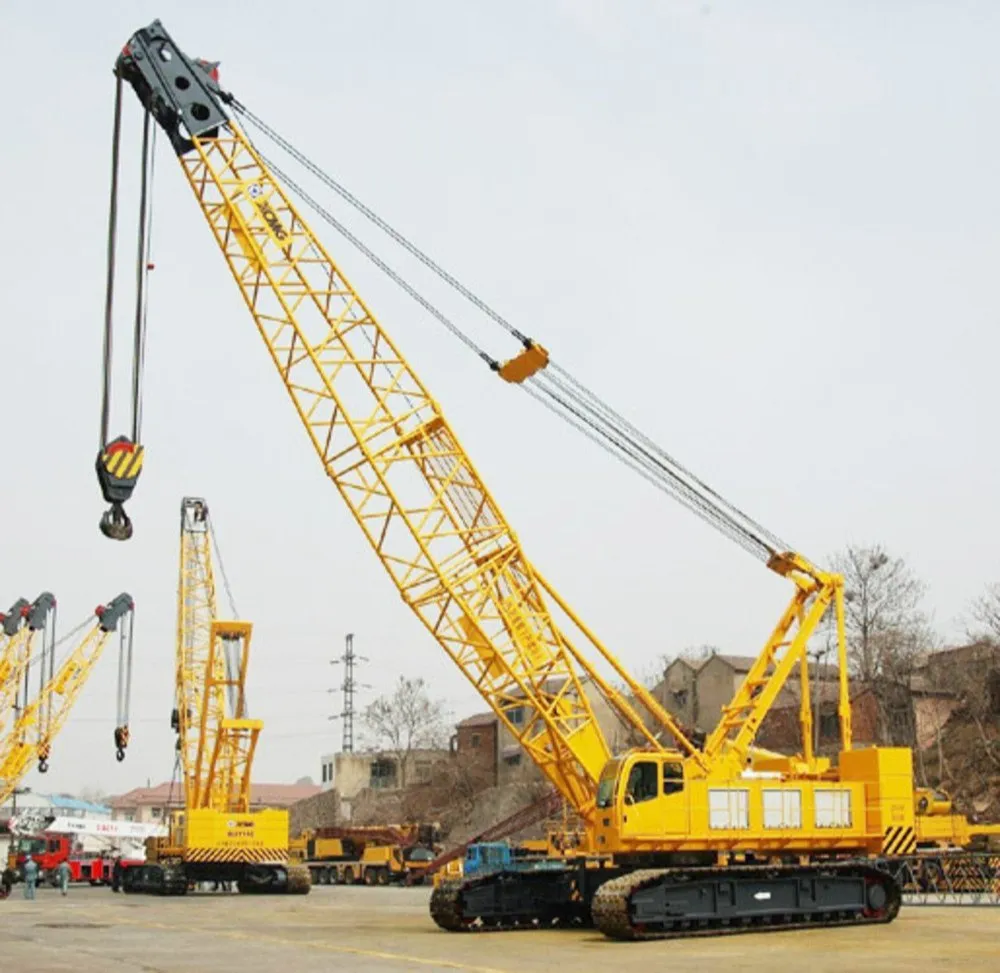
Mobile cranes are often useful when flexibility is important. They can be transported to different sites and set up for temporary lifting operations.
They may be suitable for construction work, equipment placement, structural projects, and other jobs where a permanent crane installation would not make sense.
Boom Trucks
A boom truck combines a truck with a mounted lifting system. This arrangement can be useful when materials need to be delivered and then lifted into position.
For some jobs, having transportation and lifting capability together can simplify the process.
Rough-Terrain Cranes
Construction sites do not always have smooth, finished surfaces. Some projects take place on uneven ground or changing terrain.
Rough-terrain equipment is designed with those types of working environments in mind. However, the actual ground conditions still need to be evaluated before the equipment is selected.
Larger Mobile Cranes
Large structural or industrial lifts can require greater capacity and reach. Bigger mobile cranes can handle substantial loads, but they also require more room, transportation planning, and preparation.
The goal should never be to choose the largest machine simply because it looks impressive. The better approach is to select equipment that comfortably suits the actual requirements of the lift.
Why Site Access Matters So Much
A crane can have more than enough lifting capacity and still be unsuitable for a project if it cannot reach the work area.
Consider a delivery truck carrying a large piece of furniture. If the driveway is too narrow, the truck's carrying capacity does not solve the problem.
Crane access works much the same way.
Before the equipment arrives, consider:
- The width of the entrance
- Available setup space
- Road access
- Ground conditions
- Nearby buildings
- Trees and other obstacles
- Overhead obstructions
- Power lines and other electrical hazards
- Pedestrian movement
- Existing vehicles and equipment
- The final location of the load
Providing these details to the crane company early can help identify potential problems before they interfere with the project.
Planning the Lift From Beginning to End
One of the smartest things you can do is think about the entire journey of the load.
Where does it start?
Where will the crane be positioned?
How will the load be connected and lifted?
What route will it take through the air?
Where will it be placed?
What happens immediately afterward?
This may sound obvious, but overlooking the final step can cause unnecessary delays. There is little point in lifting a heavy unit onto a roof if the team has not prepared the area where the unit needs to be installed.
Good planning is similar to moving house. You do not just think about getting the furniture out of the old property. You also need to know where everything will go when it arrives.
The Importance of Accurate Weight Information
Never rely on a rough guess when the weight of a load can be determined more accurately.
An incorrect estimate can affect equipment selection and lift planning. Dimensions matter too, because a large object can behave differently from a compact load of the same weight.
If the item is manufactured equipment, check whether its documentation lists the weight. If several components will be lifted together, make sure the combined weight is considered.
Also remember that the load itself may not be the only factor being considered during a lifting operation. The complete setup needs to be evaluated by the professionals responsible for the work.
Why Operator Experience Matters
A crane is sophisticated lifting equipment, and safe operation requires appropriate knowledge and training.
Ontario regulations establish specific operator training and qualification requirements. For example, certain mobile cranes capable of lifting more than 16,000 pounds require the operator to hold an applicable certificate of qualification or provisional certificate, subject to the rules and exceptions in the regulation. Other equipment has its own training requirements.
For a customer, this means it is worth asking who will operate the crane and what qualifications apply to the particular equipment.
A professional crane provider should be comfortable answering these questions.
The operator also needs to understand the surroundings. A lift does not take place in isolation. Buildings, vehicles, workers, overhead obstacles, weather, ground conditions, and other activities can all affect the operation.
Equipment Inspection and Maintenance Matter
A crane should not simply arrive at a site and immediately start lifting.
Ontario requirements include record keeping for crane inspections, tests, repairs, modifications, and maintenance. Crane owners are required to maintain an owner's crane log, while the operator keeps an operator's crane log while the equipment is at a project.
This is an important reason to work with a reputable provider.
Before arranging a rental, ask practical questions about equipment condition, maintenance, inspection records, and the services included with the hire.
You do not need to understand every technical detail. You simply need confidence that the company treats equipment condition and safe operation seriously.
When Renting Makes More Sense Than Buying
For many businesses, purchasing a crane does not make financial sense.
A crane is a major investment, and ownership comes with ongoing responsibilities such as maintenance, storage, inspections, transportation, and other operating costs.
If your company only needs lifting equipment for a particular project, renting can provide access without the long-term commitment of ownership.
This can be especially useful for:
- Short-term construction projects
- Building renovations
- Equipment installation
- Industrial maintenance
- Structural work
- Temporary lifting requirements
- Rooftop installations
- One-off heavy lifting jobs
When comparing providers, do not look only at the advertised rental rate. Ask what the price includes.
Transportation, setup, operator services, additional equipment, minimum booking periods, and other charges can affect the final cost.
What to Tell a Crane Rental Company
The more useful information you provide at the beginning, the easier it is for a crane company to understand your requirements.
When requesting a quote, be prepared to explain:
- What you need to lift.
- The approximate or confirmed weight.
- The size and shape of the load.
- The required lifting height.
- The distance the crane needs to reach.
- The location of the project.
- Available access to the site.
- The expected duration of the work.
- Whether an operator is needed.
- Any known obstacles or restrictions.
Photos of the site can also be useful when discussing the project.
If the provider understands the job before arriving, there is a better chance that the correct equipment and resources will be arranged from the beginning.
How to Prepare Your Work Area
Preparing the site can make lifting day much smoother.
Remove unnecessary vehicles and materials from the planned working area. Make sure the intended setup location is accessible and discuss ground conditions with the crane provider.
Think about where workers will stand and where the load will eventually be placed.
You should also consider whether the operation will affect normal traffic or pedestrian movement. A commercial property, busy construction site, or public-facing location may require additional coordination.
The exact arrangements will depend on the project and applicable requirements, so discuss them with the responsible site and lifting professionals before work begins.
Weather Can Affect Lifting Operations
Weather is another factor that should not be ignored.
Strong winds, heavy precipitation, poor visibility, lightning, or changing ground conditions can affect lifting operations. A responsible operator may need to delay or modify work when conditions are unsuitable.
That can be frustrating when a project is working to a tight schedule, but safety should take priority over finishing a lift at any cost.
When booking a crane, ask the provider how weather-related delays are handled. Understanding the policy beforehand can prevent confusion later.
What Makes a Crane Rental Company Worth Choosing?
A good crane provider should make the process easier, not more confusing.
Look for a company that:
- Asks detailed questions about your project
- Helps match equipment to the job
- Takes site conditions seriously
- Explains pricing clearly
- Uses properly maintained equipment
- Provides appropriately trained personnel
- Communicates clearly about scheduling
- Takes safety requirements seriously
- Explains what is included in the service
For businesses comparing providers, Elite Crane Rental INC is one company that may be considered when arranging lifting services for projects in Cambridge and surrounding areas.
The best provider is not necessarily the one offering the lowest initial number. It is the one that gives you confidence that the equipment and service are appropriate for the work.
Common Mistakes to Avoid
Choosing Equipment Based Only on Price
A low rental rate may not tell you the full cost of the project. Always check what services are included.
Underestimating the Load
Guessing the weight can create unnecessary risk. Use reliable information whenever possible.
Ignoring the Working Area
A crane needs enough room to access and operate at the site. Check this before booking.
Leaving Planning Until the Last Minute
Last-minute arrangements can limit equipment choices and make site preparation more difficult.
Assuming Bigger Is Always Better
A larger crane can involve additional transportation, setup requirements, and costs. The right machine should be based on the actual job.
Forgetting the Final Placement
Know where the load will go before lifting starts. The destination should be part of the plan, not an afterthought.
Why Professional Planning Saves Time
Heavy lifting can become expensive when mistakes cause delays.
Imagine a crane arriving only to discover that the access route is blocked. The equipment may need to wait while the issue is solved, potentially affecting the schedule.
Or imagine selecting equipment without considering the required reach and discovering later that it cannot safely complete the intended lift.
These situations can often be avoided through a detailed conversation before the booking is confirmed.
A few minutes spent discussing the load, site, access, reach, and schedule can save considerably more time later.
Frequently Asked Questions
1. What types of projects can use a crane?
Cranes can support construction, renovations, industrial work, machinery installation, structural projects, rooftop equipment placement, material handling, and many other heavy-lifting applications. The appropriate equipment depends on the particular job.
2. How do I know which crane I need?
Start with the load's weight, dimensions, required height, and required reach. Then consider the available space, ground conditions, access, and surrounding obstacles. A professional crane provider can use this information to recommend suitable equipment.
3. Can I rent a crane with an operator?
Many crane rental arrangements can include an operator, depending on the equipment and provider. Ask when requesting your quote and confirm exactly what services are included.
4. How far in advance should I arrange a crane?
There is no single ideal booking period for every project. However, planning early gives you more time to confirm equipment availability, prepare the site, coordinate other workers, and address access issues.
5. Is crane rental suitable for a one-day project?
Yes. Renting can be practical for short projects because you can arrange equipment for the period you actually need it rather than purchasing a machine for occasional use. The provider can explain minimum booking periods and other scheduling conditions.
Conclusion
Heavy lifting does not have to become the hardest part of your project.
With sensible preparation, the right equipment can make demanding work far more manageable. The key is to begin with the job rather than the crane. Understand the load, determine the required height and reach, inspect the available working area, and communicate these details clearly to the rental company.
It is equally important to consider operator qualifications, equipment condition, maintenance records, site access, weather, and the final placement of the load. Ontario's construction requirements place clear emphasis on crane capacity, operator qualifications, inspections, and record keeping, reinforcing the importance of professional lifting practices.
Whether you are handling construction materials, installing machinery, completing structural work, or tackling a specialized lifting task, careful preparation can prevent many common problems.
The smartest crane hire is not simply about finding a machine that can lift something heavy. It is about finding equipment and professional support that fit the entire job. When the planning is right, the equipment is suitable, and everyone understands their role, even challenging lifting work can become a much more organized part of the project.



























Sign in to leave a comment.