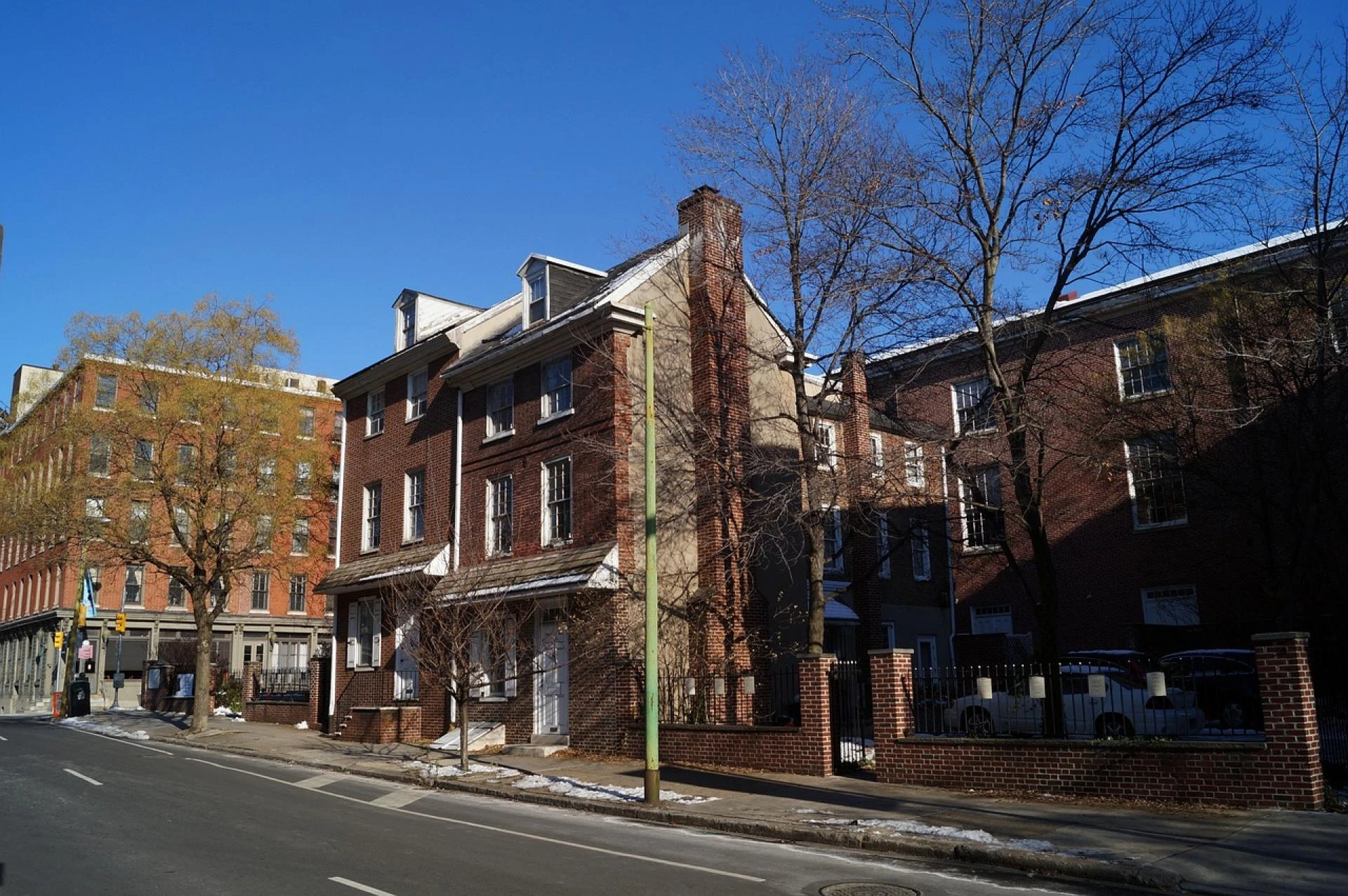

University neighbourhoods are no longer just for students pulling all-nighters and racing to early lectures. In cities like Philadelphia, areas surrounding major universities have evolved into dense, mixed-use communities that attract professionals, families, researchers, hospital staff, and remote workers. University City is the clearest example. Anchored by institutions like the University of Pennsylvania and Drexel University, it has become one of the fastest-changing residential zones in the city.
For non-students, living near a university hub can be a smart lifestyle move or a daily annoyance, depending on priorities. Below is a realistic breakdown of what works, what does not, and who benefits most from choosing a university-centred neighbourhood.
Advantages of Living in University City (For Non-Students)
Strong Job Access and Economic Stability
University City is an employment engine. Hospitals, research institutions, biotech firms, startups, and corporate offices operate year-round. That steady job base keeps the neighbourhood resilient during economic swings and makes it attractive for professionals who want short commutes and long-term stability. From a renter’s standpoint, this supports a consistent supply of apartments to rent in Philadelphia that are not dependent solely on student demand.
Excellent Transit and Walkability
This area is built for movement. Multiple SEPTA lines, trolleys, buses, regional rail, and Amtrak at 30th Street Station make car-free living realistic. Daily essentials like gyms, groceries, cafes, and green space are typically within walking distance. For hybrid and remote professionals, that level of accessibility directly improves day-to-day quality of life.
Food, Culture, and Intellectual Energy
University City draws a global population. Faculty, researchers, and visiting professionals fuel a diverse dining scene and constant cultural programming. Public lectures, museums, performances, and community events are often open to residents and cost far less than similar offerings elsewhere. For many non-students, the energy feels stimulating, not chaotic.
Modern Housing Options
New development has reshaped the housing landscape. Beyond older walk-ups, there are now well-designed buildings with better sound insulation, security, and amenities. A studio apartment in Philadelphia near campus often suits professionals who value efficiency and low maintenance. At the upper end, luxury apartments in Philadelphia deliver concierge services, coworking lounges, and premium finishes without Center City pricing.
Disadvantages of Living in University City (For Non-Students)
Noise and Seasonal Disruption
Noise is real and unavoidable in certain pockets. Move-in and move-out weeks, academic weekends, sporting events, and graduations create spikes in congestion and late-night activity. Older buildings with weak soundproofing amplify the problem. If quiet is non-negotiable, this can be a dealbreaker.
High Turnover and Limited Community Continuity
Student turnover affects neighbourhood consistency. Neighbours change frequently, and some businesses cater more to short-term residents than long-term ones. This can make it harder to build lasting community ties. Stability varies by block and building, but it requires careful selection.
Rent Pressure and Competition
Demand near campuses never slows. Rents stay elevated, and competition is constant, especially during peak leasing seasons. Students backed by family support or institutional stipends can squeeze availability and reduce negotiating leverage. Newer buildings offer predictability but at a premium.
Retail That Skews Student-Focused
Certain corridors lean heavily toward bars, fast-casual dining, and convenience retail. While lively, they may lack the depth or balance non-students want. Grocery variety, quieter cafes, and neighbourhood oriented shops can be limited depending on the street.
This structure cleanly separates what works and what doesn’t, making it clear whether University City aligns with a non-student lifestyle or doesn’t.
Why University Hubs Appeal to Non-Students
The biggest misconception is that university areas are temporary or chaotic by nature. Major university hubs behave more like economic engines than student enclaves. They create consistent demand for housing, retail, healthcare, and transit, which in turn stabilizes the neighbourhood.
University City illustrates this shift clearly. Over the last decade, the area has seen major infrastructure investment, new residential towers, upgraded streetscapes, and expanded public transit. This transformation has made it increasingly attractive to people who have no academic affiliation at all.
Nonstudents are drawn to these areas for practical reasons, not campus culture.
Who Should Consider Living Near a University Hub
Living near a university hub makes the most sense for non-students who value convenience, connectivity, and access to opportunity.
This setup works especially well for:
- Medical and research professionals
- Early to mid-career workers
- Remote employees who want walkable amenities
- Renters who prefer newer buildings and transit access
- People who enjoy cultural programming and diversity
It is less ideal for:
- Those seeking suburban quiet
- Families with very young children
- Renters highly sensitive to noise
People who want a slow-changing, tight-knit residential feel
How to Choose the Right Spot
Success in a university neighbourhood depends on precision. Do not choose based on reputation alone.
Focus on:
- Building type and soundproofing
- Distance from bars and student housing clusters
- Management quality and lease terms
- Transit access versus street noise
Demographics of the building, not just the area Spending time in the neighbourhood at different hours before signing a lease is not optional. It is the only way to understand how student life intersects with daily living
The Real Value of University-Centered Neighbourhood
University hubs like University City are no longer niche or transitional. They are permanent, high-functioning parts of Philadelphia’s housing ecosystem. For non-students, they offer real advantages in employment access, transit, culture, and modern housing.
The trade-offs are equally real. Noise, turnover, and pricing pressure are part of the package. The key is alignment. If your lifestyle values efficiency, opportunity, and connectivity over silence and predictability, living near a university hub can be a strategic move rather than a compromise.
Done right, it is not about living next to students. It is about living next to momentum.



























Sign in to leave a comment.