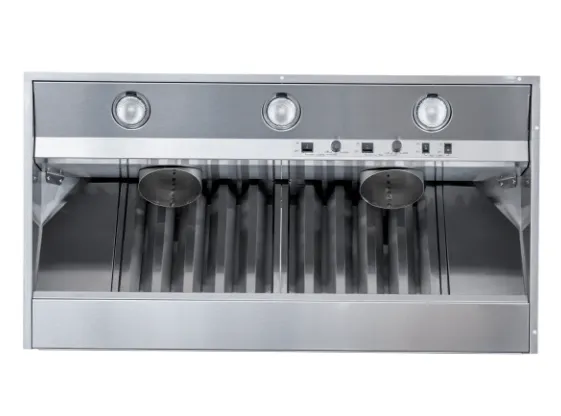
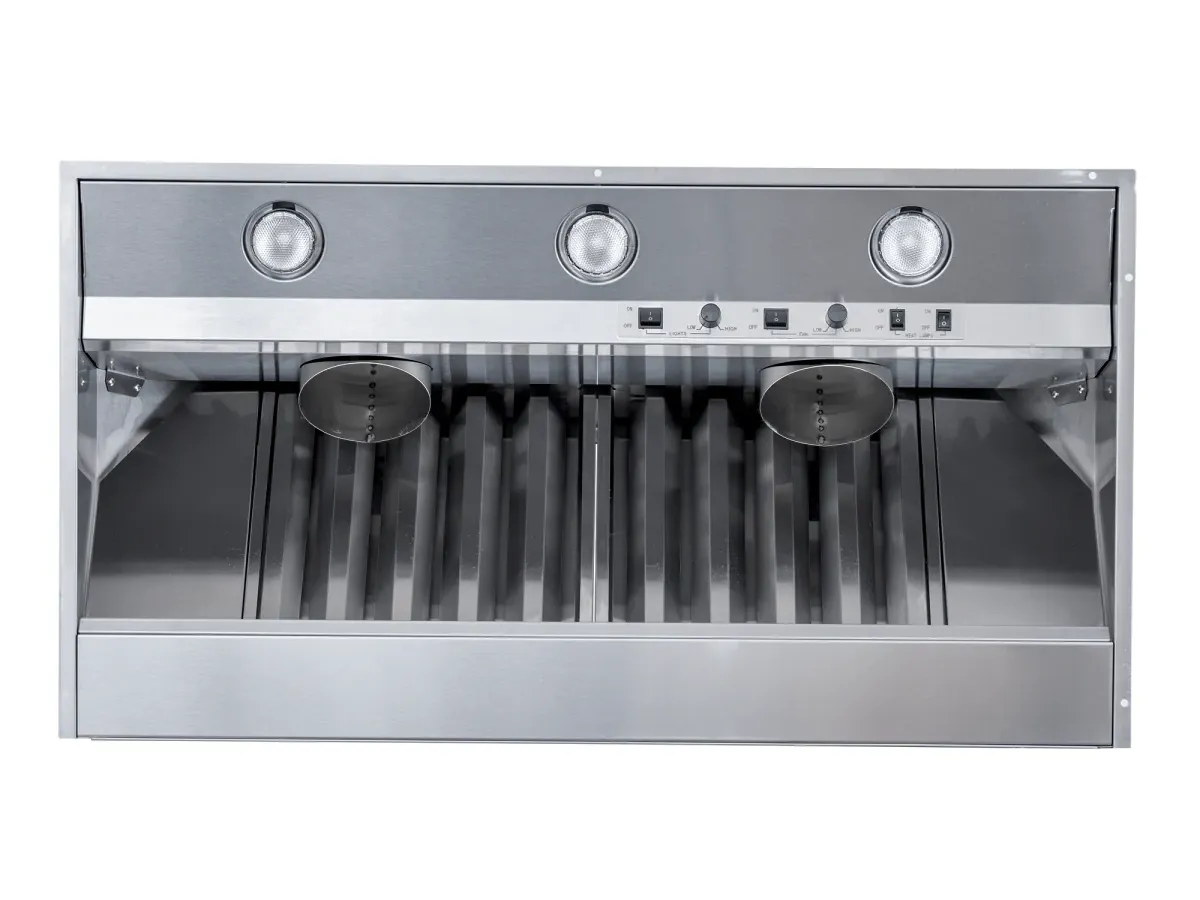
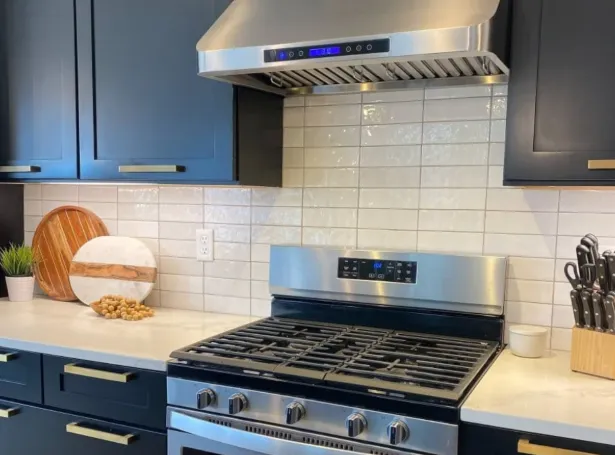
Designers love the seamless look of a hood tucked inside a custom canopy, and home cooks love the performance hidden within. A 42 vent hood insert pairs that clean appearance with the airflow to a wide range of needs, making it a favorite for ambitious remodels. Many homeowners wonder what daily life is really like with a concealed unit rather than a visible chimney hood. The short answer is that a well-built insert disappears into the design while quietly handling smoke, steam, and grease. This piece explores the everyday experience of cooking under a hidden hood and when that choice makes the most sense for your kitchen.
What Users Usually Need
Cooks with wide ranges need full capture even when the hardware is out of sight. Partial coverage lets smoke escape, which undermines the whole canopy concept. A properly sized insert reaches every burner without breaking the clean design.
How the Insert Improves the Experience
A 42 vent hood insert blends into the cabinetry while delivering strong, quiet airflow. The kitchen looks tailored and stays fresh, even during heavy cooking sessions.
Comfort and Convenience
Multiple fan speeds let the unit run softly for everyday meals and powerfully when needed. Integrated lighting brightens the cooktop without any visible fixture above it.
Trust and Safety
Removing heat and grease keeps the air cleaner for everyone in an open floor plan. Baffle filters and a sealed blower handle the workload without frequent clogging.
Long-Term Satisfaction
Stainless internals and serviceable parts keep the hidden unit reliable for years. The canopy stays beautiful while the hardware quietly earns its keep.
When This Option Makes Sense
If your design calls for custom cabinetry over the range, an insert is the natural fit. It suits homeowners who want the woodwork to lead and the ventilation to disappear.
- Your kitchen features a custom canopy or surround.
- You prefer hidden hardware over a visible hood.
- You cook often on a wide range.
Designing the Canopy and Ducting
A 42 vent hood insert relies on the canopy that conceals it, so the surround must be built to the unit's dimensions. We provide those specifications up front so the opening holds the insert securely and leaves space for airflow. Coordinating with the carpenter early keeps the project on schedule.
Ducting runs from the canopy to an exterior wall or roof, and a short, sealed run keeps the blower efficient. Sizing the duct to the unit prevents the choked airflow that makes weaker setups loud. Hidden in the woodwork, a clean duct path keeps performance high and noise low.
Cleaning the Hidden Hardware
Concealed does not mean maintenance-free. The baffle filters in a 42 vent hood insert slide out for a dishwasher rinse, and planning easy access during the build keeps cleaning simple. Fresh filters keep airflow strong and protect the motor for years.
Matching the Kitchen Style
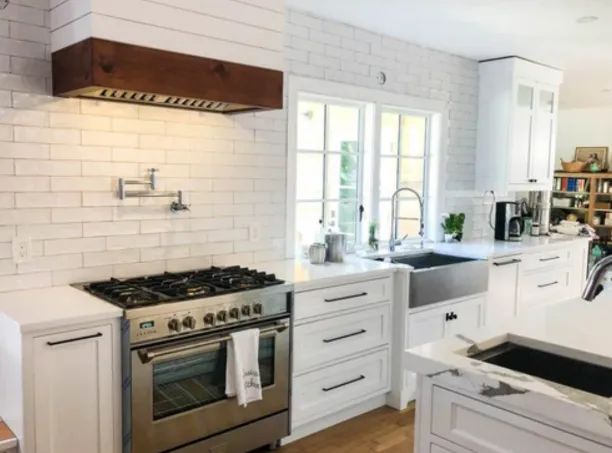
Since the metal disappears into the canopy, the cabinetry sets the tone. A surround that matches the cabinets reads as fully custom, while a contrasting material can make the hood a statement. The ventilation performs the same regardless of the look you choose.
Resale value tends to follow thoughtful design. Buyers touring a home notice seamless cabinetry and quiet ventilation, and a hidden unit signals a kitchen built with care. The concealed hardware keeps the air clean day to day while the canopy earns the attention, a balance that rewards both daily cooking and a future sale.
Bringing in an experienced installer keeps the project tidy. Coordinating the canopy, duct, and wiring early prevents surprises and keeps the build moving.
Final Thoughts
A concealed ventilation setup inside a custom canopy brings together strong performance and a clean, uninterrupted kitchen design. It allows the cabinetry to remain the visual highlight while the system quietly manages smoke, steam, and cooking odors in the background. For homeowners who prefer a more open or simpler layout, a 42 exhaust hood option can offer similar airflow performance while keeping the unit visible and easier to access. Ultimately, the right choice depends on how you use your kitchen and the style you want to achieve. When thoughtfully planned, both options can deliver efficient ventilation and a comfortable cooking environment without compromise.
























Sign in to leave a comment.