

New Jersey’s tourism and hospitality industry continues to grow more competitive as travelers rely heavily on search engines to decide where to stay, dine, and explore. Businesses that invest in local SEO position themselves to appear at the exact moment travelers are planning trips and making booking decisions.
By optimizing local listings, creating location-focused content, managing online reviews, and delivering a seamless website experience, tourism and hospitality brands can increase visibility and capture high-intent travelers throughout the year. Many businesses accelerate these results by partnering with an experienced seo agency in New Jersey that understands local search dynamics and seasonal travel trends.
With the right local SEO strategy in place, New Jersey tourism businesses can turn online visibility into consistent bookings, stronger brand trust, and long-term growth in an increasingly digital travel market.
Why Local SEO Matters for Tourism and Hospitality Businesses in New Jersey
Tourism searches are highly location-driven. Visitors search for:
- Hotels near the Jersey Shore
- Restaurants in Atlantic City
- Things to do in Cape May
- Family attractions in North Jersey
Local SEO helps your business appear when travelers search with geographic intent. Unlike traditional advertising, local SEO connects you with customers at the exact moment they’re planning or ready to book.
For hospitality brands, this means:
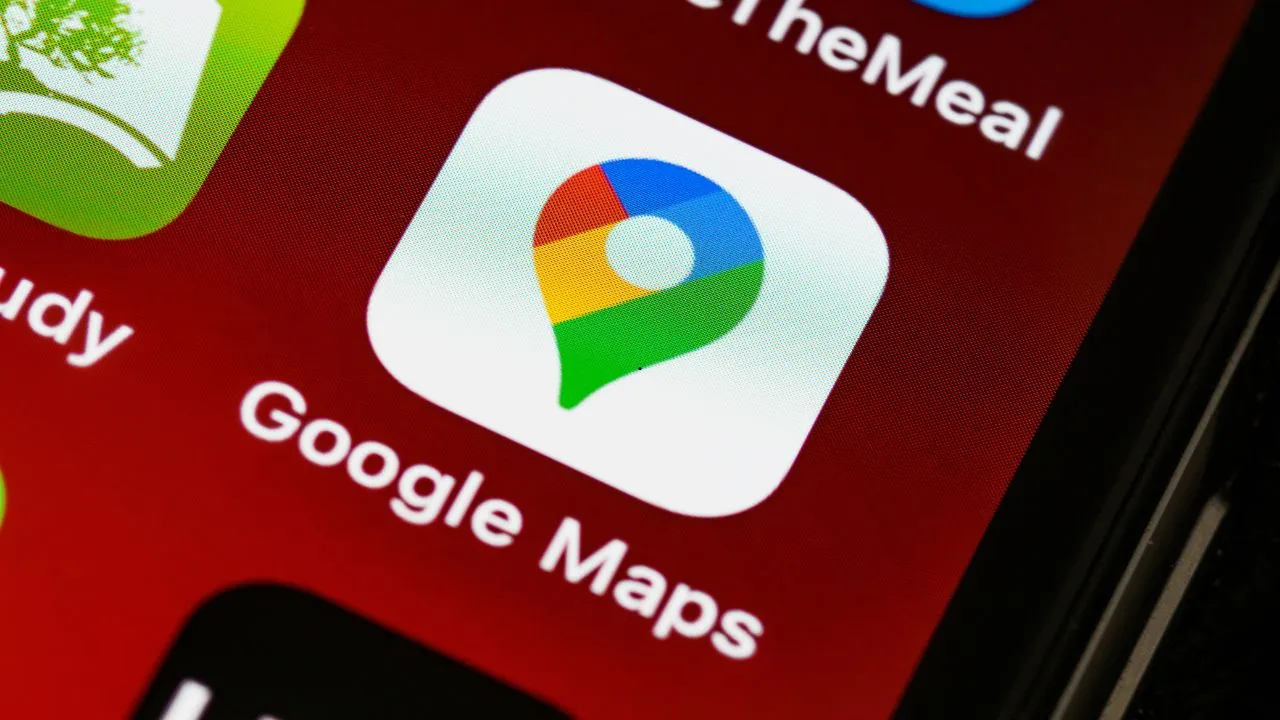
- Higher visibility in Google Maps
- Increased website traffic from qualified travelers
- More calls, directions, and reservations
- Stronger brand trust before arrival
Understanding Traveler Search Behavior
Travelers don’t search the same way locals do. Many are unfamiliar with New Jersey geography, so their searches are often broader but still location-based.
Common travel-related searches include:
- “Best hotels near [attraction]”
- “Top restaurants in [city]”
- “Things to do in New Jersey this weekend”
- “Family-friendly hotels in NJ”
- “Beachfront resorts in New Jersey”
Local SEO helps search engines connect your business with these intent-driven queries, even when users aren’t searching for your brand name directly.
Optimizing Google Business Profiles for Hospitality Brands
For tourism and hospitality businesses, your Google Business Profile is often your most valuable digital asset. It’s frequently the first thing travelers see before visiting your website.
To maximize visibility:
- Ensure your business name, address, and phone number are accurate
- Choose the most relevant categories (hotel, restaurant, attraction, etc.)
- Upload high-quality photos regularly
- Add business hours, amenities, and services
- Post updates about events, offers, or seasonal highlights
An optimized profile increases your chances of appearing in local pack results and map searches, especially for mobile users.
Building Location-Specific Pages That Convert Visitors
Generic pages won’t rank well in competitive tourism markets. Businesses should create location-focused pages that reflect where they operate and who they serve.
Effective location pages include:
- City or region-specific content
- Nearby attractions and landmarks
- Seasonal travel insights
- Transportation and accessibility details
For example, a hotel in Cape May should highlight proximity to beaches, historic sites, and seasonal events—helping both search engines and travelers understand its value.
Creating Content That Attracts and Educates Travelers
Content marketing plays a powerful role in tourism SEO. Travelers research extensively before booking, and informative content builds trust early.
High-performing tourism content includes:
- Travel guides and itineraries
- Local event calendars
- Seasonal travel tips
- Dining and attraction recommendations
- Blog posts answering common visitor questions
This type of content helps your site rank for informational searches while positioning your business as a trusted local authority.
Leveraging Reviews as a Ranking and Trust Signal
Online reviews heavily influence booking decisions in hospitality. They also impact local SEO performance.
To strengthen both:
- Encourage guests to leave reviews after positive experiences
- Respond professionally to all feedback
- Address concerns publicly and transparently
Reviews improve click-through rates, boost local rankings, and reassure travelers who may be visiting New Jersey for the first time.
On-Page SEO for Tourism and Hospitality Websites
On-page optimization ensures search engines understand your content and match it with relevant searches.
Key elements include:
- Clear page titles with location context
- Descriptive headings
- Optimized images with alt text
- Internal links to related pages
For example, a restaurant page should clearly state cuisine type, location, and dining experience while remaining natural and user-focused.
Technical SEO: Ensuring a Seamless Experience
Tourism websites often feature images, videos, and booking systems, which can slow performance if not optimized.
Technical SEO priorities include:
- Fast page loading speeds
- Mobile-friendly design
- Secure HTTPS setup
- Clean URL structures
- Easy navigation
A smooth technical experience reduces bounce rates and increases the likelihood of bookings.
Local Link Building for Tourism Brands
Local backlinks help reinforce geographic relevance and authority.
Tourism businesses can earn links by:
- Partnering with local travel blogs
- Collaborating with event organizers
- Being featured in tourism guides
- Working with chambers of commerce
These links signal trust to search engines and improve rankings for competitive local searches.
Competing With Large Booking Platforms
One of the biggest challenges for hospitality businesses is competing with large travel platforms. While these platforms dominate broad searches, local SEO allows independent businesses to compete more effectively.
By focusing on:
- Unique experiences
- Local expertise
- Direct booking advantages
You can attract travelers who prefer authentic, local options over generic listings.
Tracking Local SEO Performance
To ensure local SEO efforts are effective, businesses should monitor:
- Local search rankings
- Website traffic from geographic searches
- Calls, directions, and bookings
- Google Business Profile interactions
Tracking these metrics helps identify what’s working and where to improve.
Integrating Local SEO With Seasonal Marketing
Tourism demand in New Jersey changes throughout the year. Local SEO strategies should align with seasonal trends, events, and travel patterns.
Updating content and listings for:
- Summer beach season
- Holiday travel
- Festivals and events
Helps maintain visibility year-round and capitalize on peak demand.
Final Thoughts: Growing Tourism Businesses With Local SEO
Local SEO is one of the most effective ways for tourism and hospitality businesses in New Jersey to attract travelers, increase bookings, and build long-term visibility. By optimizing local listings, creating helpful content, and focusing on user experience—often with the support of a trusted seo company in New Jersey—businesses can stand out in a crowded market.
In a state as diverse and competitive as New Jersey, success belongs to brands that are visible, credible, and locally relevant. With the right local SEO strategy in place, tourism and hospitality businesses can turn search visibility into sustained growth and memorable guest experiences.



























Sign in to leave a comment.