
You cannot run a local business successfully that serves a specific geographical area, without a local SEO strategy. If we get down to facts, 46% of Google searches are local, 89% of online users search for local businesses through their smartphones and 58% of them do local searches every day.
That’s huge, isn’t it?
So, if you are not optimizing your business for local SEO, you might be missing out on many profitable opportunities. Therefore, local SEO is crucial if you want to reach a more local audience in your niche and improve your business credibility.
To help you stay relevant and make local search powerful, we’ve created a practical guide covering what local SEO is, how it works, local SEO tips, and more.
What is Local SEO?
Local SEO refers to optimizing your website to drive more qualified traffic, enhance brand awareness, and boost online visibility, all from local search. In other words, local SEO techniques allow your site to rank higher on search engine results for local searches.
Search engines depend on signals like local content, links, social media profiles, and citations to provide the most relevant local search results to users looking for local information. With coherent and targeted local SEO tactics, you can generate more qualified leads from specific locations and expand your business in the desired direction.
How does Local SEO Differ from General SEO?
If you haven’t heard about Search Engine Optimization before, let us clear your facts first. SEO is the process of optimizing sites to have global visibility and rank higher on SERP. To put this into perspective, all websites must undergo SEO to boost their chances of traffic growth and conversion.
Both traditional and local SEO focus on improving rankings so that users can find, contact and buy products from your business. While general SEO aims to improve a site’s visibility on a national or global scale, local SEO helps you capture local search territory to connect with prospective buyers in your area. Local SEO solutions involve specialized measures to help you connect with searchers in your area.
Benefits of Local SEO
Optimizing your local search is important, especially when you run a brick-and-mortar business and cater to specific towns, cities, regions, and states. When implemented properly, it allows people to locate information about your business easily, putting them a step closer to making a purchase.
Let’s say you run a café in New York. That means your business has to show up when people in New York search for “café near me” or any other local search term.
According to Google, 76% of online users conduct a local search to find a store within 24 hours and 28% of them ultimately buy a product or service. The more your prospects get to know about your business via local search, the more likely they will visit your store or trust your brand.
Local SEO comes in handy to enhance online discoverability and capture people’s interest in your business. So, if you learn how to leverage local SEO to strengthen your customer base, it can do wonders for your business's bottom line.
How does Local SEO Work?
If we put it simply, local SEO works similarly to the usual Google search. When a user does an online search, Google fetches the best results from its database. So, what makes local SEO different?
Search engines leverage a unique set of ranking factors to rank results for local search, which includes:
The location from where the user performs a searchGoogle My Business listing availabilityNAP CitationsKeywords used in online reviewsKeywords included in GMB profileSentiments of online reviewsCheck-in rate at the locationGoogle Maps ratingSocial media sharesPaying attention to these factors can help you rank in Map Pack, also called the Local Pack of Google. But do you know what is this Pack?
The Local Pack is a set of the top three results for a particular query with a virtual map of their locations extracted from Google Maps. That’s exactly where your business needs to appear to generate more local organic traffic and boost SEO efforts.
Local SEO Tactics
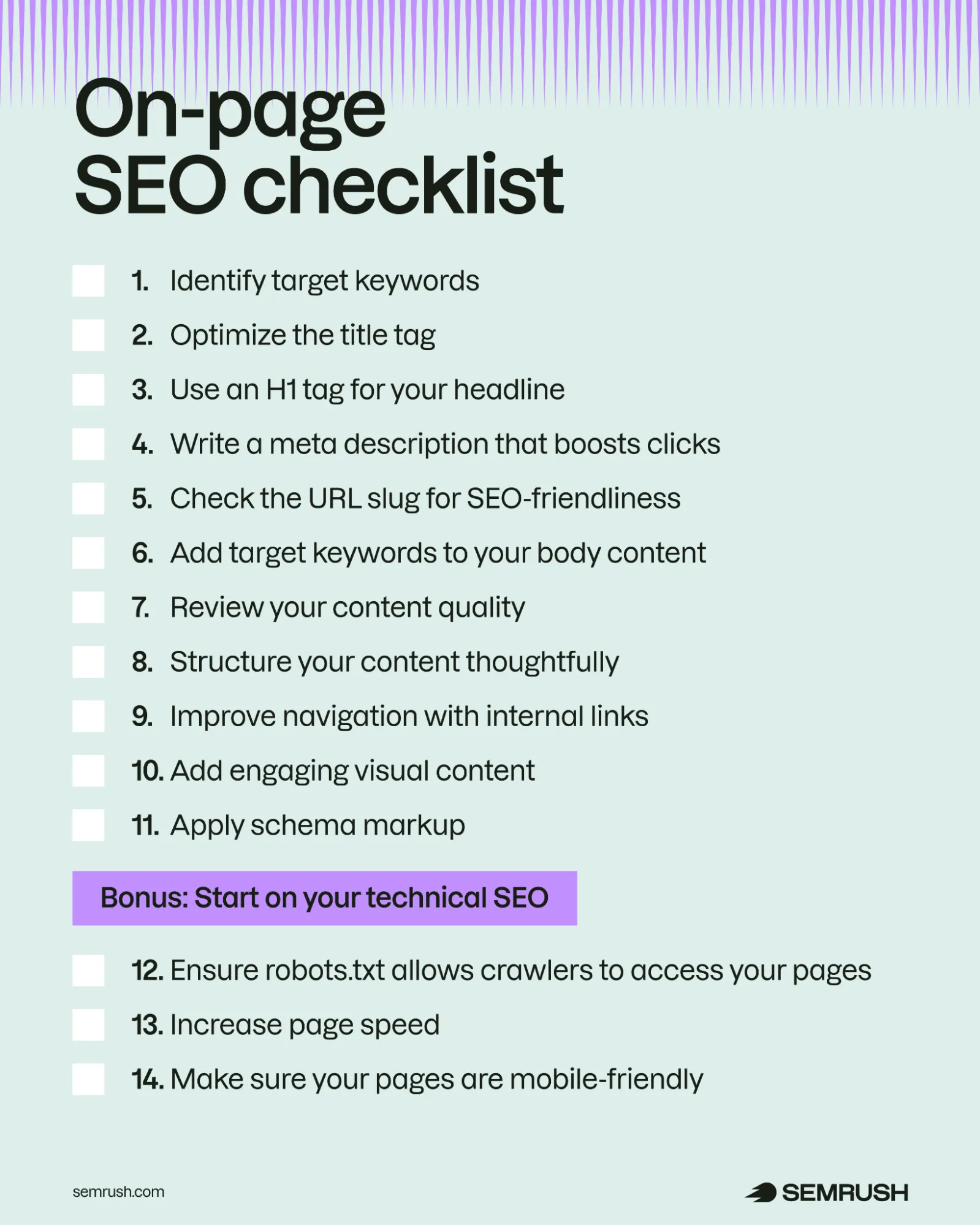
1. Optimize Your Google My Business
Google My Business (GMB) is at the forefront of local search. As Google gives more emphasis on its own content, it is an ideal tool to satisfy search engine needs. For doing so, you will need to:
Create and verify the GMB pageUse Google posts within your accountInspire customers to share reviews/feedback onlineRespond to reviews, specifying the locationYour Google My Business profile is a crucial ranking factor you need to focus on to appear in the Local Pack.
2. Set Up Your NAP
NAP stands for the name, address, and phone number (with area code) of a business. Your NAP should contain crawlable HTML text on your site, so Google shows it according to location-based search results.
Tip: Don’t make the common mistake of including NAP within an image because it can be crawled from search engines.
The common location for NAP is the footer or header of the site. You can also include NAP on the "Contact Us" page as well. Make sure your name, address, and phone number are consistent online so people and search engines can find you easily.
3. Optimize Online Directories and Citations
Any discrepancy, such as abbreviation and inaccuracy can create havoc for local searches. Ensure to verify for consistency and optimize your citations with authoritative data aggregators, including Express Update, Neustar Localeze, Foursquare, and Factual. Moreover, remove duplicate listings from online directories to avoid potential issues.
4. Perform Local SEO Audit
SEO is an ongoing process so once you are done with fundamentals, consider performing a local SEO audit. An inclusive audit covers everything, such as GMB audit, citation audit, on-page/off-page SEO audit, eCommerce SEO audit, Google Search Control audit, and competitor analysis.
This can help you determine where your website stands and what you need to work on to achieve short and long-term goals.
5. Craft Local Content
Create different forms of content not just for search engines but also that is useful for readers. In regard to local SEO perspective, gain the industry’s local authority, get featured in local news and updates and other engaging content to attract a local audience.
Ensure to optimize content for search engines by using relevant keywords in the URL, meta description, header, title, and body. The more specifics you incorporate into your content (especially for each location), the better authority you gain for “near me” local searches.
6. Add Location Pages to Your Site
If you are targeting one or more locations, create individual pages for each geographical area. Make sure to provide unique descriptions, operating hours, addresses, holidays, events, and more for specific locations.
Location pages also make a way for location-based keyword terms that blend into your content naturally. On the contrary, if you target a single location, create an “About” page that’s locally descriptive. Above all, you can embed Google Maps pointing to a precise location on your location pages.
7. Make Your Site Mobile-Friendly
According to Statista, 61% of Google searches are performed on mobile. Also, Google claims that “near me” searches via mobile have increased by 250% since 2017.
Many people use mobile phones to look up reviews, find directions to your location, and search for contact information. So, if you want to rank higher on Google for local searches, optimize your site for mobile devices.
8. Focus on Inbound Links
Inbound links are powerful enough to boost your local SEO efforts. Every inbound link conveys a message to Google that you’re a trustworthy company and inbound links can showcase your relevance. You can capture inbound links from sponsorships or partnerships, guest blog posting, and scholarships.
Improving your inbound link structure makes your site navigation easier not just for users but also for search engine bots. Ensure to build inbound links to your local page to give useful information to visitors and boost local SEO rankings.
Conclusion:
Local SEO is an integral part of digital marketing for building a strong local customer base. The primary step is to create a local SEO strategy to target Google searchers and prospective buyers with local intent.
However, it can be daunting to keep up with algorithm updates throughout the year. Therefore, it is best to work with a premier local SEO agency to improve your online presence, boost audience reach, and monitor your marketing campaigns for long-term success.
Hopefully, this comprehensive guide can help you simplify local SEO and bring worthy opportunities for your local business.

























Sign in to leave a comment.