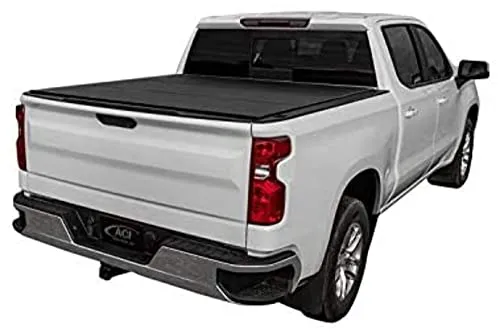

Why Proper Lomax Installation Matters
A truck bed cover is one of the most practical upgrades for any pickup owner. It helps protect cargo from changing weather, improves the overall appearance of the truck, and adds an extra layer of security for tools, equipment, or personal belongings. Choosing Lomax means investing in a cover that is known for its durable construction, sleek design, and user-friendly installation process.
While many truck accessories require extensive modifications, a quality tonneau cover is designed to fit securely with minimal effort. Taking the time to install it correctly ensures better performance, longer service life, and reliable protection on every trip. Whether you use your truck for work, recreation, or daily driving, proper installation makes all the difference.
Prepare Before You Begin
Before opening the package, gather the basic tools recommended for the installation. Having everything ready saves time and helps prevent interruptions during the process.
It is also a good idea to clean the truck bed rails before attaching any mounting hardware. Dirt, debris, or moisture can affect how securely the cover sits on the truck. Wiping down the rails with a clean cloth creates a better surface for the clamps and helps ensure proper alignment.
Carefully inspect all included components before starting. Make sure the mounting brackets, clamps, weather seals, and panels are present and free from shipping damage.
Read the Instructions Carefully
Although many truck owners are eager to begin immediately, reading the installation guide first is one of the most valuable steps. Every truck model has slight differences, and understanding the sequence beforehand reduces the chances of mistakes.
Following the manufacturer's recommended installation order also helps prevent unnecessary adjustments later. Spending a few extra minutes reviewing the instructions can save much more time during assembly.
Position the Rails Correctly
One of the most important parts of installing Lomax is positioning the side rails correctly. These rails provide the foundation for the entire cover.
Take your time to align them evenly along both sides of the truck bed. The rails should sit straight without twisting or leaning. Proper alignment ensures smooth opening and closing once the cover is installed.
Avoid tightening the clamps completely until both rails have been checked for symmetry. Small adjustments are much easier before everything is fully secured.
Install the Cover Panels
After the rails are mounted, the cover panels can usually be positioned onto the track system. Lift each section carefully and avoid dragging it across painted surfaces.
As the panels are installed, verify that they fold and unfold smoothly. They should move freely without rubbing against the truck bed or creating uneven gaps.
Check that the locking system engages properly. A secure lock not only protects cargo but also keeps the cover stable while driving on highways or rough roads.
Check Weather Seals
A tonneau cover performs best when its seals create a tight barrier against rain, dust, and road debris.
Inspect the weather stripping around the edges after installation. It should make consistent contact with the truck bed without being compressed excessively.
If you notice uneven gaps, loosen the mounting hardware slightly, realign the rails, and tighten them again. Small adjustments often produce a much better seal.
Tighten Hardware Evenly
Many installation problems occur because hardware is tightened too early or unevenly.
Instead of fully tightening one clamp at a time, work gradually across both sides of the truck bed. This approach helps maintain even pressure and keeps the rails properly aligned.
Avoid excessive force. Over-tightening may damage mounting components or affect the cover's ability to operate smoothly.
Test the Folding Mechanism
Once installation is complete, open and close the cover several times before taking the truck on the road.
Pay attention to how each panel folds. The movement should feel smooth and consistent without sticking or excessive resistance.
If the cover appears uneven, revisit the rail alignment rather than forcing the panels into position. Correcting alignment early prevents unnecessary wear over time.
Perform a Final Inspection
Before considering the installation complete, walk around the truck and inspect every connection.
Look for:
- Tight mounting clamps
- Proper panel alignment
- Even weather seal contact
- Secure locking operation
- Smooth folding action
A careful inspection helps identify small issues before they become larger problems during daily use.
Maintenance After Installation
Installing the cover correctly is only the first step. Regular maintenance keeps it performing well for years.
Wash the cover using mild automotive soap and water to remove dirt and road grime. Avoid harsh chemicals that could damage protective finishes or rubber seals.
Periodically inspect the mounting hardware to ensure vibration has not loosened any clamps. Checking the hardware every few months is especially important if the truck frequently travels on rough roads.
Cleaning the drainage areas and keeping debris away from moving components also helps maintain smooth operation throughout the year.
Common Installation Mistakes to Avoid
Even experienced DIY installers occasionally make simple mistakes.
One common issue is skipping the initial alignment check. If the rails are slightly uneven, the entire cover may sit crooked.
Another mistake is tightening every clamp immediately after placement. Waiting until all components are positioned allows for easier adjustments.
Some owners also overlook the weather seals. Even a small gap can allow water to enter the truck bed during heavy rain.
Finally, rushing through the installation often results in avoidable corrections later. Taking a steady, methodical approach usually produces the best results.
Enjoy the Benefits of a Proper Installation
Once installed correctly, Lomax provides a combination of convenience, protection, and clean styling that enhances both the appearance and functionality of a pickup truck.
A properly fitted cover helps keep cargo secure while reducing exposure to rain, dust, and everyday road debris. The folding design also allows quick access to the truck bed whenever larger items need to be loaded.
Whether the truck is used for commuting, professional work, weekend projects, or outdoor adventures, a correctly installed tonneau cover delivers dependable performance with minimal maintenance. Investing a little extra care during installation helps ensure years of reliable operation, making every trip more convenient and every load better protected.
































Sign in to leave a comment.