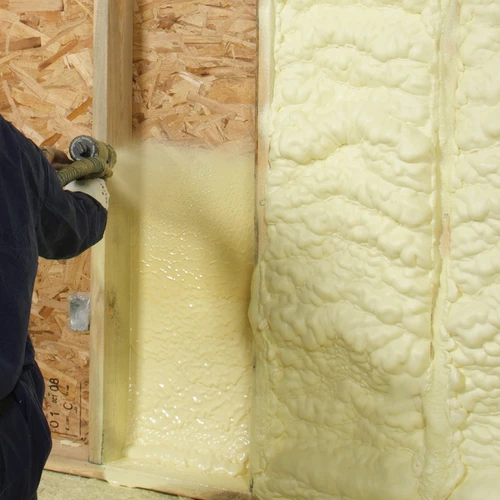
Installing spray foam insulation in Evans, Colorado properties delivers measurable long-term cost savings by improving energy efficiency, reducing HVAC strain, and extending building lifespan. In this region where winters can be harsh and summers moderately warm, thermal stability and moisture control have direct financial impact over time.
Compared to traditional fiberglass or cellulose, spray foam insulation yields a higher R-value per inch, creating a tighter building envelope that cuts down on heat loss. Closed cell foam also acts as a vapor barrier and adds structural integrity—factors that prevent costly future damage. Based on field experience across various property types in northern Colorado, the return on investment typically becomes evident within 3 to 5 years of installation.
This article details how spray foam insulation leads to ongoing savings in residential and agricultural buildings, supported by technical specs, real market data, and region-specific performance insights. The recommendations reflect hands-on expertise in application and product behavior under local conditions.
Energy Savings in the Northern Colorado Climate
Evans sits within a semi-arid climate zone where temperatures fluctuate significantly between seasons. Without a tight air seal, buildings lose energy rapidly during both heating and cooling seasons.
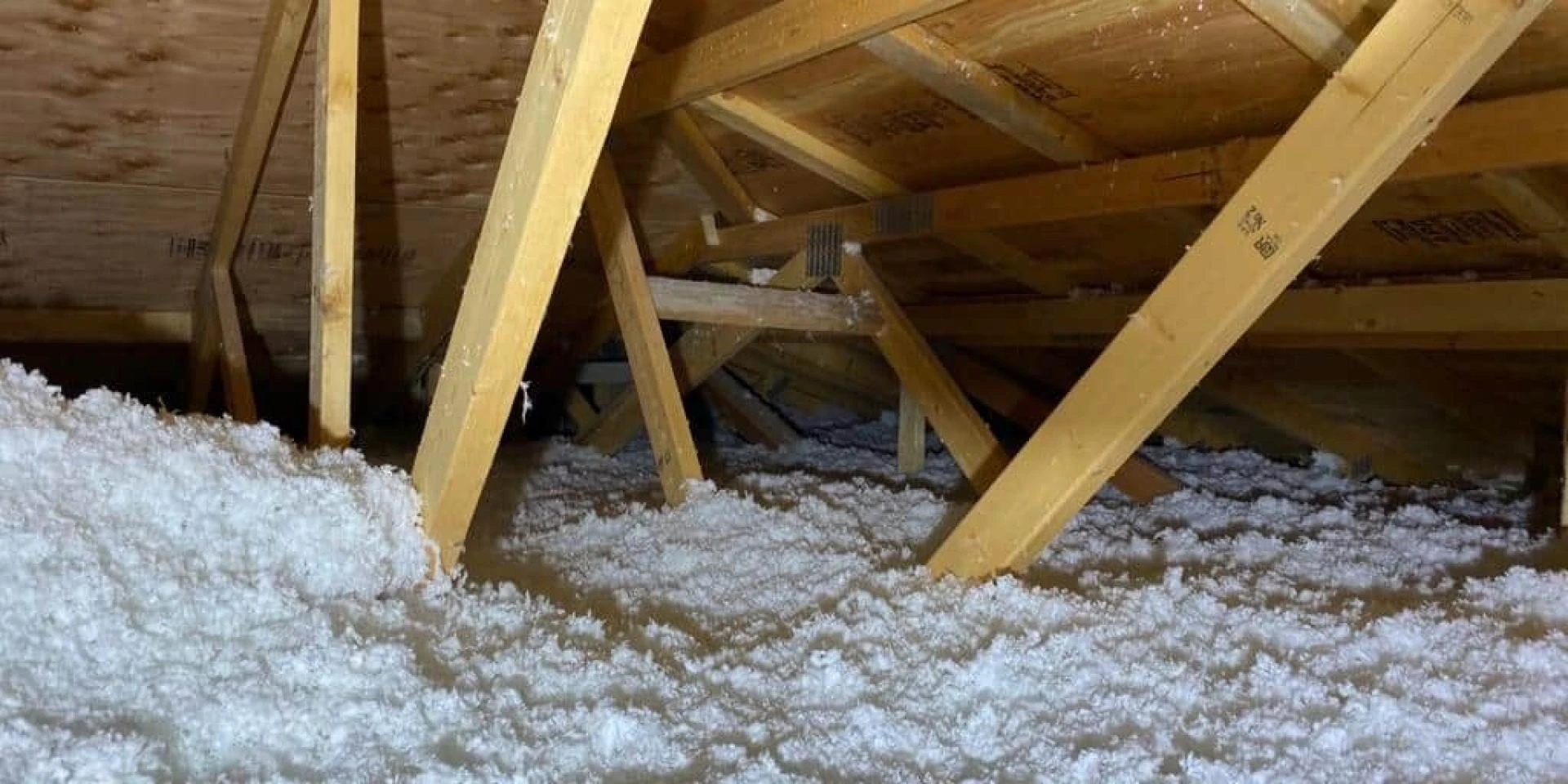
Performance Table: Spray Foam vs Traditional Insulation Types
Feature
Closed Cell Spray Foam
Fiberglass Batts
Blown-In Cellulose
R-Value (per inch)
6.0 – 7.0
2.9 – 3.8
3.2 – 3.8
Air Sealing Capability
Excellent
Poor
Moderate
Moisture Barrier
Yes (Closed Cell)
No
No
Lifespan
30–50 years
10–25 years
20–30 years
Maintenance Requirements
Minimal
High
Moderate
Initial Cost
Higher
Lower
Moderate
Long-Term ROI (10+ years)
High
Low
Moderate
Bonus Tip: In properties with uneven wall cavities or complex architectural details, spray foam minimizes thermal bridging and air leakage better than any batt or loose-fill product.
Practical Cost Reduction Data
According to the U.S. Department of Energy, heating and cooling account for about 55% of energy use in the average home. Evans, Colorado sees approximately 5,400 heating degree days annually. Reducing air leakage and increasing thermal resistance can lower annual energy costs by 20–40%.
In case studies conducted on closed-cell spray foam retrofits for 2,000–2,500 sq. ft. homes in Evans, homeowners reported average heating and cooling bill reductions of $80 to $130 per month, depending on building tightness and system age. Over 10 years, this equals savings between $9,600 and $15,600—outweighing installation costs by 2–3x.
Structural Protection and Moisture Control
Beyond energy efficiency, closed cell spray foam contributes to durability in buildings exposed to seasonal moisture and shifting temperatures. This is critical in Evans where freeze-thaw cycles can introduce condensation behind walls.
Technical Specs Table: Closed Cell Spray Foam
Property
Closed Cell Spray Foam
R-Value per Inch
6.5
Water Absorption Rate
<1%
Vapor Permeability (perm)
≤ 1.0 (low)
Compressive Strength
≥ 25 psi
Air Leakage Rate
0.002 L/s/m²
Service Temperature Range
-40°F to 180°F
Flame Spread Index
≤ 25
Closed cell foam forms a rigid, continuous layer that resists water ingress and mold growth. It also enhances racking strength, which helps withstand lateral wind forces in pole barns and agricultural outbuildings.
Bonus Tip: In areas prone to rodent intrusion, the hardened structure of closed cell foam discourages nesting and penetration, reducing the need for pest-related repairs.
Market Insight and Long-Term ROI
A 2023 report by Allied Market Research indicated that spray foam insulation has a compound annual growth rate (CAGR) of 5.1% due to its proven economic advantages in both residential and commercial markets (source). In cold regions like northern Colorado, the payback timeline shortens because of higher baseline heating costs.
Insurance underwriters have also begun recognizing the durability enhancements from closed cell insulation, offering premium discounts in some regions for properties with upgraded thermal envelopes and vapor control.
Things to Consider Before Making a Decision
Before selecting spray foam for a property in Evans, consider the following factors:
- Building Age and Condition: Older homes may require additional prep or ventilation upgrades before application.
- Insulation Goals: Evaluate whether the objective is energy efficiency, moisture resistance, sound control, or structural rigidity.
- Climate Sensitivity: In areas like Evans with dramatic seasonal swings, closed cell foam is more suitable than open cell for exterior walls and crawl spaces.
- Budget Constraints: While the upfront cost is higher, long-term performance must be weighed against ongoing energy expenses.
- Code Compliance: Ensure that selected insulation meets local fire, vapor barrier, and thermal code requirements.
Bonus Tip: Use infrared thermography to identify hidden air leaks and thermal weak spots before choosing where to apply foam insulation for maximum ROI.
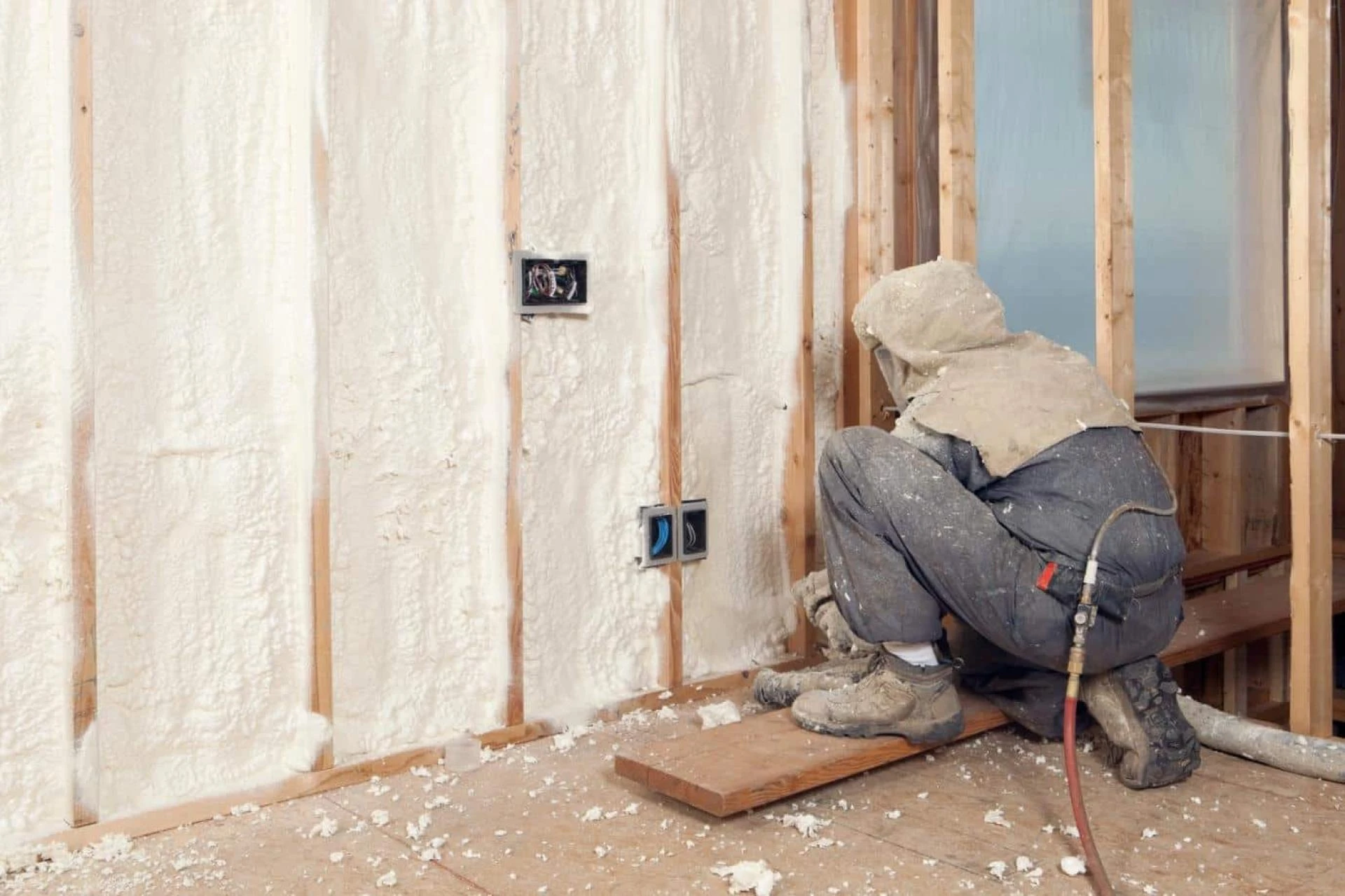
Common Questions About Long-Term Spray Foam Savings
How quickly will I see savings?
- Most homeowners notice a significant drop in utility bills within the first 6–12 months after installation.
Is spray foam cost-effective for small homes?
- Yes. Even homes under 1,500 sq. ft. can benefit from reduced energy loss and HVAC strain.
What parts of the home benefit the most?
- Attics, crawl spaces, rim joists, and wall cavities exposed to exterior elements offer the best return.
Can spray foam reduce noise?
- Closed cell provides limited soundproofing. Open cell offers better acoustic performance but lower R-value.
Specialized Insulation Services Offered
The following services are tailored to maximize insulation performance and longevity across diverse building types:
Closed Cell Spray Foam
- High-density insulation that strengthens structures, blocks moisture, and delivers superior thermal resistance for all climates.
Residential Spray Foam
- Custom insulation for attics, basements, and wall assemblies in single- and multi-family homes.
Pole Barn Spray Foam
- Durable, seamless coverage for agricultural structures, preventing condensation and temperature swings.
Crawl Space Spray Foam
- Moisture-resistant insulation that improves indoor air quality and reduces floor-level heat loss.
New Construction Spray Foam
- Integrated building envelope solutions for energy-efficient new homes and commercial builds.
FAQ Section
How does spray foam affect indoor air quality?
Properly installed foam reduces air infiltration, which limits the entry of outdoor allergens and pollutants. Closed cell types also prevent mold growth by controlling moisture.
Can spray foam be used in older homes?
Yes, though it may require additional prep work such as removing outdated insulation and ensuring vapor control layers are in place.
How does spray foam impact HVAC performance?
By sealing leaks and improving thermal consistency, foam insulation reduces system cycling and extends HVAC lifespan.
What’s the difference between open and closed cell foam?
Closed cell foam is denser and more moisture-resistant, while open cell is softer, less expensive, and better for sound absorption.
Does foam insulation need to be maintained?
No routine maintenance is required. However, periodic visual inspections help confirm integrity, especially after major weather events or renovations.
Ready to Achieve Lasting Energy Savings?
Closed cell insulation transforms building performance in Evans, Colorado, where climate demands airtight, moisture-resistant protection. Apply these insights now: schedule your customized energy audit or insulation plan with RIB Spray Foam.
Contact RIB Spray Foam
Phone: (970) 645-8077
Email: [email protected]
Reviewer:
Grace Walker has been in the spray foam business for 9 years and provided suggestions that helped refine this article’s focus on brand development and simple, consistent marketing efforts.
























Sign in to leave a comment.