If your knees, hips, or back get sore when you work out, you’re not alone. A lot of people in San Diego want to stay fit but don’t want to feel beat up after every session. That’s where low-impact exercise comes in.
Low impact does not mean “too easy.” It means your joints take less pounding. You can still get a great workout, build strength, and feel more energy. Below are simple, smart options you can try around San Diego, plus tips to stay safe and recover well.
What “low impact” really means (and why it helps)
Low-impact movements keep at least one foot on the ground (or keep your body supported) so you don’t do a lot of hard landing. This can help if you:
- Have knee or ankle pain
- Are coming back from time off
- Want to exercise more days per week
- Are new to fitness and want to start slow
Low impact is also great for building habits. When a workout feels doable, you’re more likely to keep going.
Best low impact movements San Diego locals can do outdoors
San Diego has great weather, so you can move outside most days of the year.
1) Fast walking (with a plan)
Walking is one of the easiest ways to start. To make it a real workout, try this:
- Warm up 5 minutes easy
- Walk fast 10 minutes
- Walk easy 2 minutes
- Repeat 2–3 times
You can do this at parks, along the bay, or in your neighborhood. The important thing to remember is to keep swinging the arms, remain tall and maintain a steady pace.
2) Hiking on smoother trails
Not every hike has to be steep or rocky. Pick trails with a more even path if your joints get cranky. Use short steps on hills, and slow down on the way down (downhill is often harder on knees).
3) Bike rides (road or stationary)
Biking is low impact because your weight is supported by the seat. Start with an easy gear and a steady pace. If your knees hurt, your seat may be too low—raising it a little can help.
4) Swimming and water walking
Water workouts are some of the most joint-friendly choices you can make. Swimming, water jogging, and even walking in the shallow end can raise your heart rate without pounding your joints.
Low-impact gym moves that still feel like real training
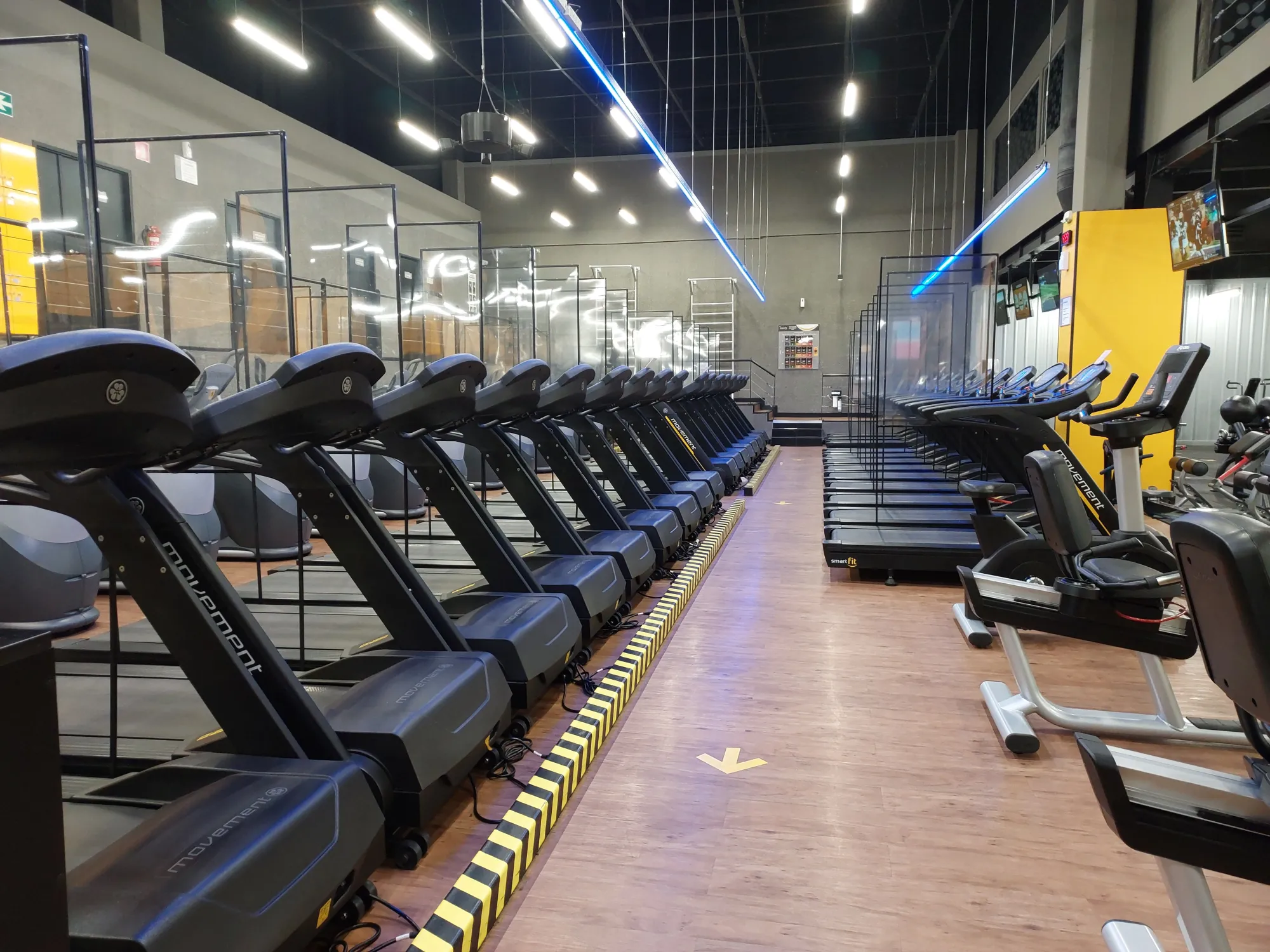
If you like indoor workouts, these are solid options that can build fitness without a lot of impact.
1) Rowing machine (done with good form)
Rowing uses legs, core, and arms, and it’s easier on joints than running. Keep your back tall and push with your legs first (not just your arms).
2) Elliptical trainer
The elliptical feels smooth because your feet stay on the pedals. It’s a good pick if running makes your knees ache but you still want a cardio workout.
3) Strength training with control
Strength training can be low impact when you move with control. Examples include:
- Squats to a box or bench
- Step-ups (small height)
- Deadlifts with light-to-moderate weight
- Push-ups on a wall or bench
- Resistance band rows
Strength work helps protect joints because stronger muscles support your body better.
Versaclimber class San Diego: a strong option for low-impact cardio
If you want cardio that feels intense but doesn’t involve pounding, a versaclimber class san diego fitness fans talk about can be a great choice. The VersaClimber is a vertical climbing machine. Your hands and feet stay connected to the machine, so there’s no hard landing like running or jumping.
Why people like it:
- Big cardio challenge in a short time
- Full-body movement (arms and legs)
- Low impact on joints when you use good form
Tips before you try it:
- Start with shorter rounds and build up slowly
- Keep your shoulders relaxed (don’t shrug)
- Ask a coach to help set up the machine for your height
If you’re looking for a class, check local gyms and training studios and ask what the workout is like for beginners.
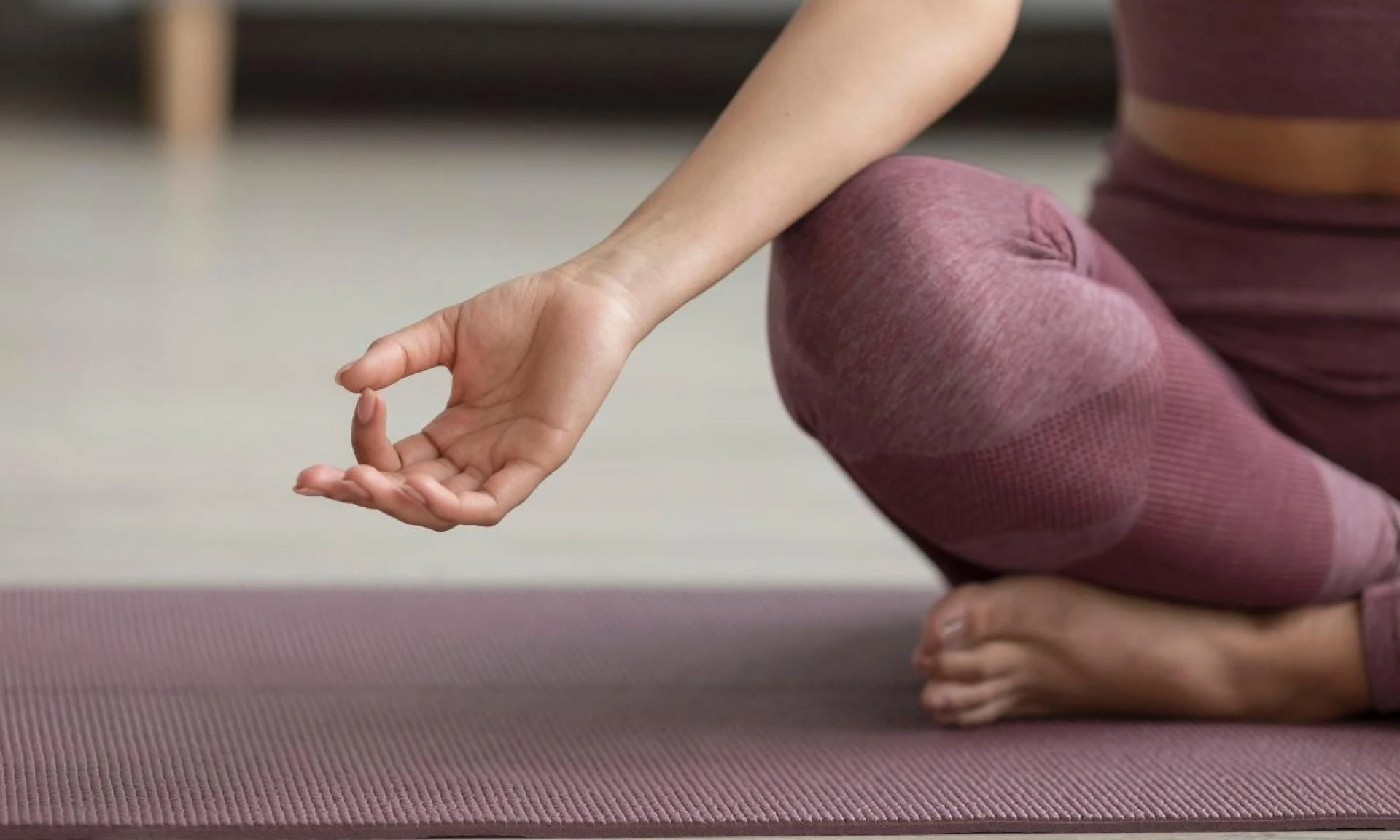
Mobility and stretching: the missing piece most people skip
Low impact is not just about cardio. Adding mobility work helps your body move better, especially if you sit a lot for school or work.
Try this simple 6–8 minute routine:
- 30 seconds calf stretch each side
- 30 seconds quad stretch each side
- 8–10 slow bodyweight squats to a comfortable depth
- 8–10 hip hinges (hands on hips, push hips back)
- 30–60 seconds easy plank (or on knees)
Do it after workouts or on rest days.
Best fitness recovery habits that keep you moving
Recovery is where your body gets stronger. If you want the best fitness recovery, don’t overthink it. Focus on the basics:
- Sleep: Aim for a steady bedtime and wake-up time
- Water: Drink more when it’s hot or you sweat a lot
- Protein and real meals: Helps muscles repair after training
- Easy movement days: Light walking or stretching helps soreness
- Rest when pain is sharp: Soreness is normal; sharp pain is a warning
You can also try things like massage, gentle yoga, or a warm shower to help your body feel better after training.
How Elevate Training can help you move smarter in San Diego
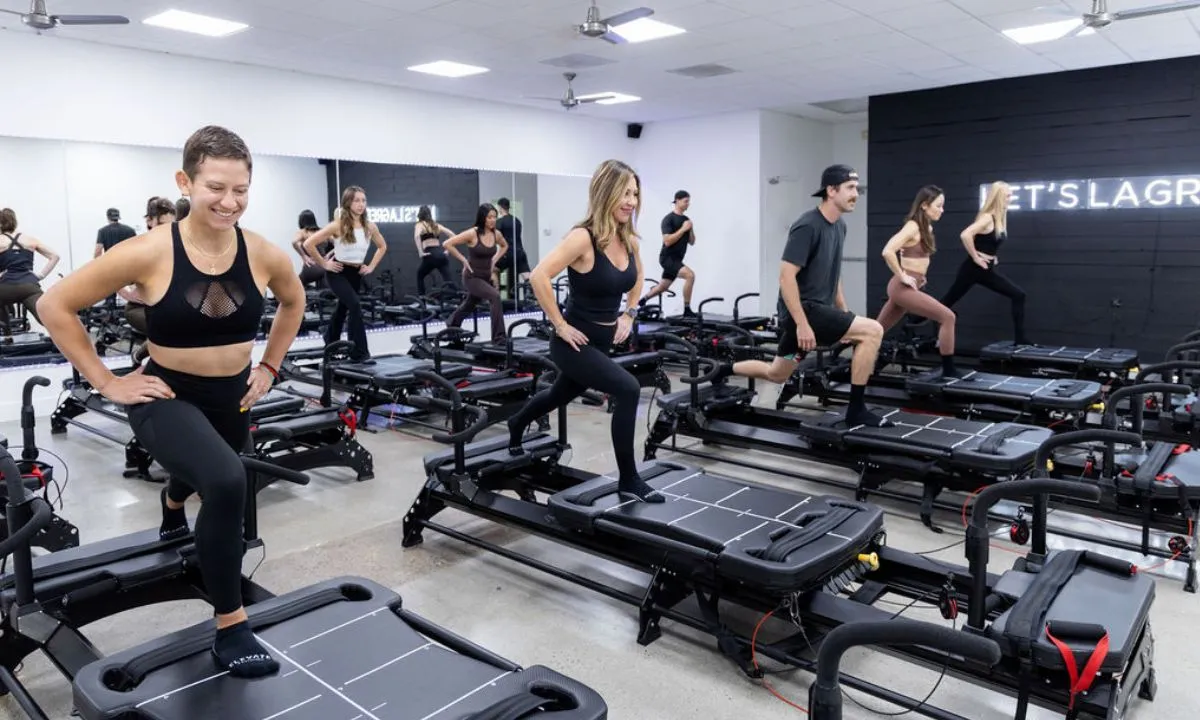
Sometimes the hardest part is knowing what to do first. That’s where coaching helps. Elevate Training works with people who want to get stronger, improve fitness, and learn good form. A coach can help you pick movements that match your body and your goals, then adjust the plan as you improve.
If you’re trying to build a routine around low impact movements San Diego offers—like walking, cycling, swimming, strength training, or machine-based cardio—getting guidance can help you stay consistent and avoid doing too much too soon.
A simple starter plan (3 days a week)
Here’s an easy plan you can repeat:
- Day 1: Fast walk or bike ride (20–30 minutes) + light stretching
- Day 2: Strength training (30–45 minutes) with controlled moves
- Day 3: Swimming, rowing, or an indoor cardio machine (15–25 minutes) + mobility
Add extra walking on the other days if you feel good.
Low-impact training can still be challenging, and it can help you stay active for a long time. If you have an injury or health concern, it’s smart to check with a medical professional before starting a new program. And if you want help choosing the right path, reach out to Elevate Training in San Diego to build a plan that fits you.



















Sign in to leave a comment.