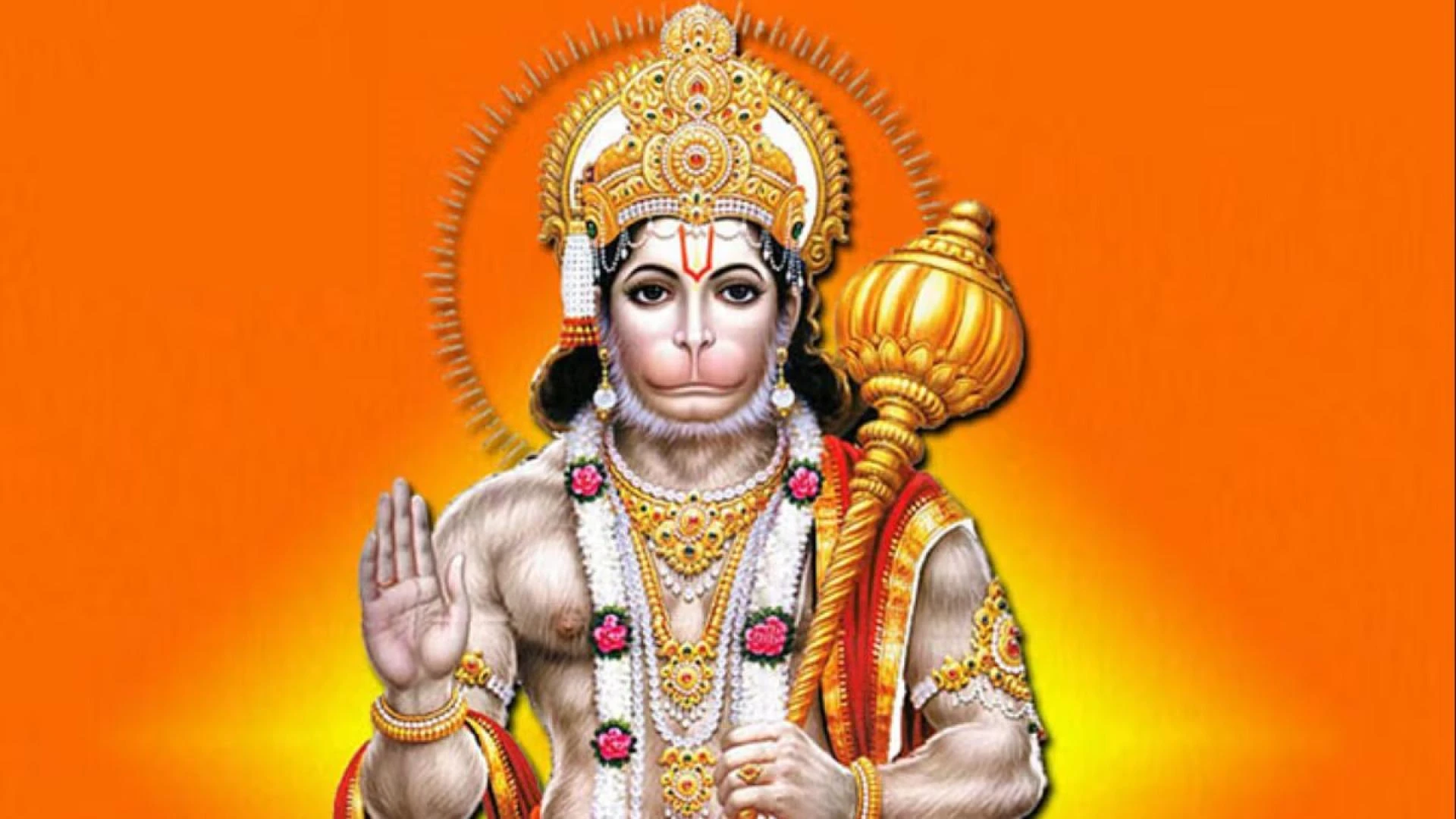

For millions of people, Lord Hanuman is not just a story, but a real, ever-present force: a guide, protector, and source of great strength. He is revered with devotion, love, and faith. This article explores who Hanuman is believed to be, what tradition says of him, evidence for his existence, how people experience him, and what lessons his life offers.
Origins According to Sacred Texts
Hanuman is recognized as born to Anjana, a vanara (forest-being or tribe), and Kesari. He is also son of Vayu, the wind-god. Because of this, he is often called Pavanputra (son of the wind). Scriptures describe his birth in Kishkindha, in what is now parts of South India. One such place identified by believers is Anjanadri Hill in the region of Hampi, Karnataka.
The traditions describe his growing up with extraordinary qualities: immense physical strength, astonishing speed, the ability to fly, the power to change his shape, and deep wisdom. He is also described as having infinite devotion and loyalty to Rama, whom he serves with all his heart. Sampurn Chalisa
Evidence & Beliefs of His Existence
While empirical, physical evidence (in the modern scientific sense) is different from spiritual knowledge, there are strong sources of belief and tradition that attest to Hanuman’s reality.
- Sacred Texts: The Ramayana and other scriptures describe Hanuman’s life in detail, his interactions, journeys, and miraculous deeds. These texts are treated by devotees not merely as allegory but as genuine record of what has happened, or is happening in deeper dimensions.
- Birthplace Sites: The site called Anjanadri Hill is widely accepted and visited as Hanuman’s birthplace. Devotees believe that such places are not just symbolic but physical anchors of his presence and power.
- Chiranjeevi (Immortality): Tradition states Hanuman is chiranjeevi — one who lives indefinitely. He is believed to still be among us, present wherever devotion to Rama lives. Because scriptures do not mention his death, many accept his ongoing existence.
- Miracles and Experiences: Many devotees report experiences that they interpret as real manifestations of Hanuman: responses to prayers, miraculous protection, visions, voices, feel-his-presence in times of danger. Temples where prasad is offered are said by some to have unusual phenomena: for example, devotees hearing “Ram Ram” being chanted in the sanctum, or feeling an energy. These experiences are part of what convinces many of Hanuman’s living presence now.
Some Debates and Scholarly Work
Because Hanuman’s lives spans beyond physical, historical evidence, scholars and believers sometimes discuss interpretations. These debates do not reduce faith, but show the richness of the tradition and how different people approach what is real.
- There is discussion about where exactly Hanuman was born. Some groups assert Anjanadri in Karnataka (Hampi), others Tirumala (Anjanadri Hill), and this debate involves archaeological, textual, geographical, and literary evidence.
- Some scholars examine ancient texts like the Rigveda to see if there are early references to Hanuman under different names. There are also linguistic studies about the name “Hanuman” and whether it derives from older local tribal or forest-people traditions.
These debates usually do not question his existence so much as try to locate him more precisely, or understand how his story has come down to us, and how to reconcile scriptural/experiential belief with historical and geographical evidence.
How People Experience and Worship Him
Because for many people Hanuman is alive and active, worship and devotion have a real, personal dimension.
- Temples & Pilgrimage: There are many temples devoted to Hanuman all around India. Devotees go to his birthplace sites, climb hills to temples, offer prayers, sing his praises, chant Hanuman Chalisa, recite works like Sundar Kand, etc. Places like Anjanadri Hill receive many pilgrims.
- Prayer, Mantra, Presence: Devotees believe that chanting his name, meditating on him, or calling upon him in times of trouble brings immediate help. Many say they feel peace, courage, or protection when they invoke Hanuman. Some say his divine presence can be sensed physically or emotionally.
- Ethical & Spiritual Goal: The goal is not just to believe in his existence, but to align oneself with his virtues: courage, loyalty, humility, service, self-sacrifice, devotion. Believers see in him a model to emulate.
What His Life Teaches Us
If we accept that Lord Hanuman is real and still with us, there are many lessons we can draw. These are part of why millions follow him.
- Devotion above all: Hanuman’s devotion to Rama is total. He did what needed to be done without thinking of reward, always humble.
- Courage & Action: When difficulties came, he acted—leaping across oceans, rescuing friends, facing enemies. Faith without action is empty.
- Humility with Power: Though possessing great power, he did not boast. He used his strength with wisdom and restraint.
- Service: His service to Rama is an example of serving the good, the righteous, the higher purpose.
- Ever-present support: Believers feel he is not distant; when one is sincere, he helps. This gives people hope and inner strength in hard times.
Conclusion: A Living Faith
For those who believe, Lord Hanuman is not a symbol only, not only a character from past; he is real now. He lives in temples; he lives in hearts. He lives wherever seva (service), loyalty, courage and devotion are found. His presence is felt in the air, in the prayer, in protection when fear threatens.
Depending on one’s perspective, faith and experience can make his presence just as real—perhaps more so—than what can be seen or touched.
Kindly recite the Hanuman Chalisa, Hanuman Bahuk, Hanuman Ashtak and Bajrang Baan to honor Lord Hanuman.

























Sign in to leave a comment.