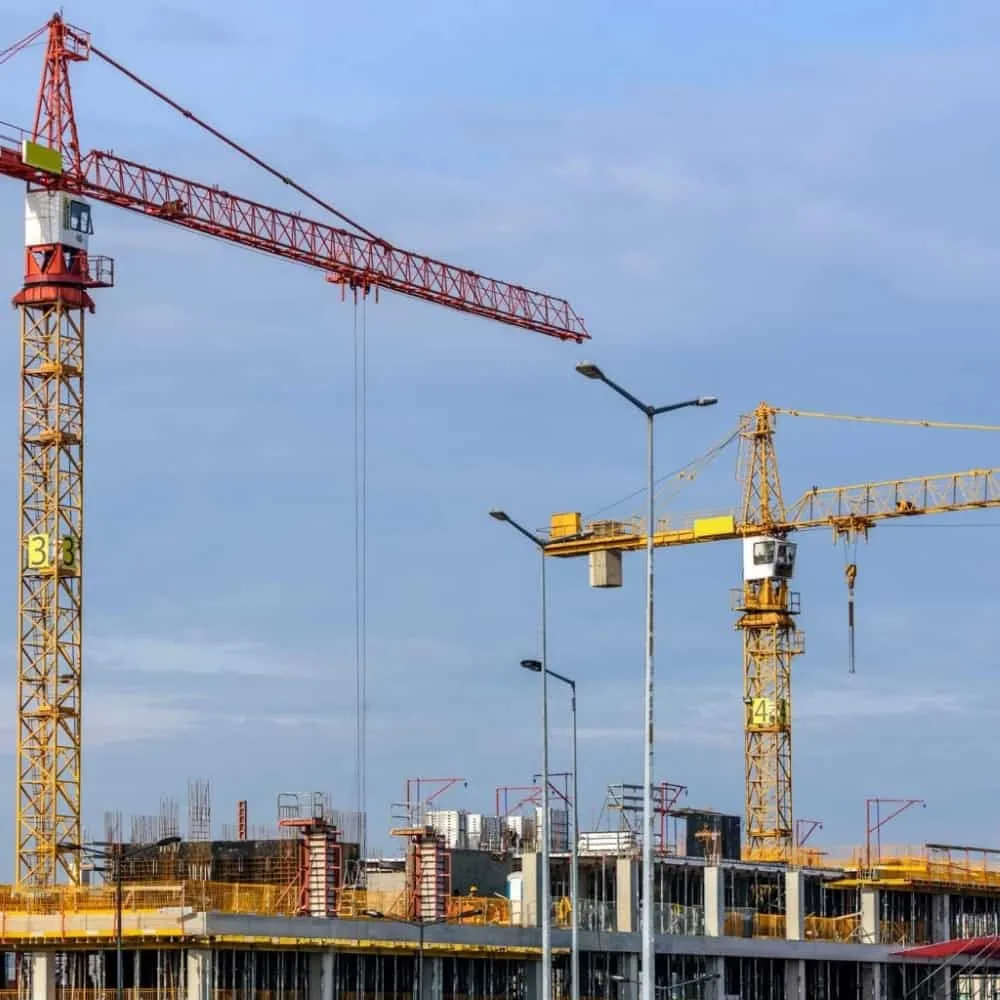

Luffing Tower Crane Kuala Lumpur: Understanding Their Role in Urban Construction
Kuala Lumpur has a constantly changing skyline. New apartments, offices, hotels, shopping centres, and mixed-use developments continue to appear across the city. Behind many of these projects is a large amount of planning involving materials, machinery, workers, and site access. One piece of equipment that can be particularly useful on restricted construction sites is the luffing tower crane.
Unlike some conventional tower cranes, a luffing crane has a jib that can be raised and lowered. This gives the crane a different operating range and can be useful when a project is surrounded by existing buildings or when several cranes need to work in a relatively small area.
What Is a Luffing Tower Crane?
A luffing tower crane is a type of tower crane designed with a movable jib. The jib can be raised or lowered depending on the lifting requirements and available space.
The ability to change the jib angle is one of its main differences from a conventional tower crane. A traditional crane generally keeps its jib in a horizontal position while a trolley moves along it. A luffing crane can instead raise its jib to reduce the working radius.
This can be useful on construction sites where there is not enough open airspace for a long horizontal jib. It also gives site managers another option when planning crane movements around nearby structures.
Why Kuala Lumpur Construction Sites Need Careful Planning
Construction in Kuala Lumpur often takes place in developed areas where space is limited. A site may be surrounded by completed buildings, busy roads, residential properties, or other construction projects.
This makes crane selection more complicated than simply choosing equipment based on lifting capacity. The crane also needs to fit the physical conditions of the site.
A Luffing Tower Crane Kuala Lumpur project may involve working close to neighbouring buildings where the crane's movement needs to remain within a carefully controlled area. Raising the jib can help reduce the horizontal space required when the crane is not actively lifting a load.
This is one reason luffing cranes are commonly considered for tall buildings and confined urban projects.
How the Luffing Mechanism Works
The word "luffing" refers to changing the angle of the crane's jib. Hydraulic or mechanical systems allow the jib to move upward and downward.
When the jib is lowered, the crane can reach farther horizontally. When it is raised, the horizontal working radius becomes smaller.
This adjustment needs to be managed carefully because the crane's lifting capacity can vary depending on the load position and jib configuration. Operators therefore need to follow the relevant load charts and operating instructions for the specific equipment.
The crane's movement is not simply about reaching a particular point. Every lift needs to be considered in relation to the load weight, radius, height, weather conditions, and surrounding environment.
Advantages on Confined Construction Sites
One of the main reasons luffing cranes are useful in busy cities is their ability to operate within restricted spaces.
Imagine a construction site surrounded by completed apartment buildings. A conventional horizontal jib could extend over neighbouring properties or interfere with another crane. A luffing crane can raise its jib when necessary, helping reduce the amount of airspace occupied by the equipment.
This does not eliminate the need for careful planning, but it can provide additional flexibility.
Luffing cranes can also be helpful where several high-rise buildings are being constructed close together. Crane coordination becomes an important part of site management, and the ability to adjust the jib position can make planning movements easier.
High-Rise Building Construction
Tall buildings require materials to be moved between ground level and different floors throughout the construction process. Concrete components, steel sections, reinforcement materials, formwork, machinery, and other equipment may need to be lifted repeatedly.
A tower crane provides the height and reach needed for these operations. As the building grows, the crane may also need to be tied or connected to the structure to maintain stability and reach the required working height.
The exact installation method depends on the crane design and the construction project. Engineers need to consider the building structure, foundation, expected loads, crane height, and installation sequence before work begins.
Safety During Crane Operations
Safety should always be a central part of crane planning and operation. Lifting heavy loads at significant heights creates risks that cannot be ignored.
Before a crane is used, the equipment should be inspected and installed correctly. Operators should have appropriate training and understand the limits of the crane they are operating.
Communication between the crane operator and ground workers is also important. In many situations, the operator may not have a direct view of the load throughout the entire lift. Clear signals, radios, or other approved communication methods can help coordinate movements.
The lifting area should also be controlled so that people are not unnecessarily exposed to suspended loads.
The Effect of Weather
Weather conditions can have a noticeable impact on crane operations in Kuala Lumpur. Heavy rain, thunderstorms, strong winds, and poor visibility may make lifting work more difficult.
Wind deserves particular attention because large crane jibs and suspended loads can be affected by air movement. Operators and site managers need to follow the manufacturer's operating limits and applicable safety procedures.
If conditions become unsuitable, lifting operations may need to stop temporarily. Although this can affect construction schedules, continuing work during unsafe weather can create much greater problems.
Maintenance and Inspection
Regular maintenance helps keep lifting equipment in suitable working condition. A tower crane includes many mechanical and structural components, and each plays an important role in safe operation.
Wire ropes, hooks, brakes, motors, bolts, connections, and other components should be checked according to the appropriate inspection and maintenance schedule.
Keeping accurate records is also useful. Maintenance records can show when inspections were completed, what repairs were carried out, and whether particular components require additional attention.
Profilefleetservice.com provides information related to fleet and equipment services in Malaysia. For companies working with construction machinery, responsible equipment management includes understanding maintenance requirements and keeping machinery properly documented.
Planning Before Installation
A crane should not be selected or installed without considering the complete construction site.
Engineers and project managers need to assess ground conditions, available space, building height, lifting requirements, delivery routes, surrounding structures, and the expected sequence of construction.
The crane's foundation is another important consideration. A stable foundation is essential because the crane will be carrying significant loads at height.
It is also important to consider how the crane will eventually be dismantled and removed. Urban sites can become even more restricted as construction progresses, so removal planning should be considered from the beginning.
Choosing the Appropriate Crane
Different projects require different types of lifting equipment. A luffing crane may be appropriate for a tall building in a restricted urban location, while a conventional tower crane may work better on a site with more available space.
The decision should be based on practical requirements rather than simply choosing the largest available machine. Lifting capacity, working radius, height, installation requirements, site restrictions, and operating conditions all need to be considered.
For contractors working on dense construction sites, understanding these differences can help them plan equipment more effectively.
Conclusion
Luffing tower cranes have an important role in modern urban construction because they can operate in areas where available space is limited. Their adjustable jib allows the working radius to be changed, which can be useful around neighbouring buildings and other cranes.
For a Luffing Tower Crane Kuala Lumpur project, careful planning is needed before installation and throughout the construction process. Site layout, lifting capacity, weather, maintenance, operator training, and communication all influence safe crane operations.
As Kuala Lumpur continues to grow vertically, construction sites will increasingly need equipment that can work within tight urban environments. Luffing cranes offer one practical approach to managing these challenges, provided they are properly selected, installed, maintained, and operated.























Sign in to leave a comment.