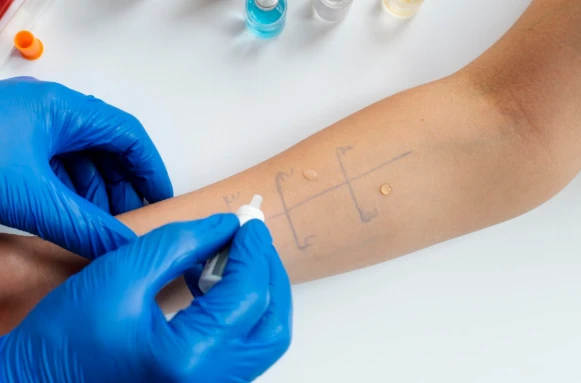

Lyme disease can be a stealthy, frustrating condition — especially when early symptoms are mild, atypical, or easily attributed to stress and seasonal illness. In the UK, increasing public awareness, better clinical guidance, and improved early-detection tools are starting to change that. This guide explains how modern symptom checkers, smarter testing pathways, and evolving diagnostic technologies are helping UK patients and clinicians spot “hidden” Lyme disease earlier in 2025 — so treatment can begin before the condition becomes harder to treat.
In this article you’ll find: how symptom checkers work, what the NHS and UK health bodies advise, recent advances in diagnostics, practical steps patients can take, and what to expect when you consult a clinic or use an online Lyme symptom checker. Throughout, I’ll use the term Lyme Symptom Checker as a lens to discuss both tech tools and clinical pathways that accelerate detection.
Why early detection matters (and why Lyme is often missed)
Lyme disease is caused by Borrelia bacteria transmitted by infected ticks. When detected early and treated with the right antibiotics, the majority of patients recover fully. But early detection is tricky:
- Early symptoms — fatigue, headache, fever, and muscle aches — can mimic many common illnesses.
- The hallmark rash (erythema migrans) is not always noticed or may not appear in every person.
- Standard blood tests can be negative in the first few weeks because antibodies take time to develop, creating a diagnostic blind spot.
Because of these limitations, patients with non-specific symptoms are sometimes reassured or misdiagnosed — and that’s precisely why symptom checkers and improved testing strategies have become so valuable.
What is a Lyme Symptom Checker?
A Lyme Symptom Checker is a screening tool — online or clinic-based — that helps people or clinicians evaluate the likelihood of Lyme disease based on symptoms, exposure history, and risk factors. These tools range from basic checklists to validated questionnaires and clinical scorecards used in specialist clinics.
Examples include public checklists, third-party online symptom tools, and clinic-based questionnaires such as the Horowitz/MSIDS-style symptom scoring used in some specialist services. These tools are designed to:
- Standardise symptom collection;
- Flag risk where clinical signs are subtle; and
- Guide next steps (watchful waiting, testing, or referral).
Importantly, most symptom checkers are screening aids — not diagnostic tests. They help prioritise who should be seen urgently or tested, but a clinical assessment and, where appropriate, laboratory testing remain essential.
The UK context in 2025: awareness, guidance, and access
In the UK, national guidance is clear: early recognition and timely treatment are essential, and clinicians should be aware of the limits of blood testing in early infection. UK public health resources emphasise that blood tests can be negative initially and recommend retesting when suspicion remains high.
Meanwhile, public awareness and services have improved: local public health campaigns remind people to check for ticks after countryside visits, pharmacists and primary care staff are increasingly trained to recognise tick exposure and early signs, and specialist clinics offer structured screening and follow-up for complex or persistent symptoms. Regional initiatives and community awareness projects (for example, tick-risk maps and outreach) have also helped the public understand exposure risk.
All this context matters: the more people and clinicians who know what to look for, and the more widely symptom checkers are used to triage cases, the sooner those at risk get tested and treated.
How modern symptom checkers help spot “hidden” Lyme
- Structured symptom capture — A symptom checker forces systematic recording of symptoms that patients might otherwise dismiss: fatigue patterns, neurocognitive changes, migratory joint pain, sleep disturbance, and exposure history. When used in clinics or before GP visits, the checklist gives clinicians a clearer, standardised view of the patient’s history.
- Risk stratification — Many tools provide a score or band (for example: unlikely, possible, probable, or highly probable). This triage helps clinicians decide whether to observe, retest, start empirical treatment, or refer to a specialist. Clinic-based scoring systems such as the Horowitz/MSIDS format used by some services generate a quantified risk assessment for follow-up.
- Prompting follow-up testing — Since early serology can be falsely negative, a symptom checker that flags ongoing concern prompts the clinician to retest after 4–6 weeks or consider more sensitive molecular tests or specialist referral — reducing missed diagnoses. UK guidance recommends retesting when suspicion persists. GOV.UK
- Integration with remote triage — Online checkers and telehealth triage reduce time to assessment. During busy seasons, this remote screening can quickly identify patients who need in-person examination or urgent testing.
In short, symptom checkers don’t replace diagnosis — they speed up the route to it.
Advances in diagnostic testing helping the symptom checker’s mission
Symptom checkers are only as useful as the diagnostic options they trigger. Fortunately, diagnostic technologies for Lyme have been evolving:
- Improved two-tier and modified two-tier serology: labs are refining serological algorithms (ELISA followed by confirmatory immunoblot or modified two-tier approaches) to reduce false positives/negatives and improve early detection windows.
- Molecular detection (PCR) and enhanced assays: molecular tests that detect Borrelia DNA in blood or tissue are being improved for sensitivity and specificity, offering early detection for some cases where antibodies have not yet formed. These tests are more complex, and their role varies by sample type and timing, but their availability is increasing in specialist centres.
- Point-of-care and at-home options: while at-home kits exist, they vary in quality and interpretation. They can be helpful as an initial indicator, but positive or concerning results should lead to clinical follow-up.
The diagnostics market is expanding rapidly to meet need: market analyses in 2024–2025 report growing investment in Lyme testing technologies and rising adoption of more sensitive assays and AI-driven readers that reduce human error. This means symptom checkers that flag risk now have a broader range of accurate tests to prompt.
Real-world example: clinic symptom checkers and patient pathways
Specialist clinics in the UK often blend symptom questionnaires with targeted testing and clinical review. For instance, some clinics ask patients to complete detailed symptom PDFs or scorecards before their appointment; clinicians then review the score in combination with exposure history, examination, and targeted tests. This approach helps in two ways:
- Clinics can prioritise those at higher risk and arrange expedited testing; and
- Patients with persistent unexplained symptoms are less likely to be dismissed as “non-specific” because their symptom score provides structured evidence for further investigation.
This model — questionnaire → targeted test → clinical decision — reduces time to diagnosis and supports patients who might otherwise be passed between services.
Where symptom checkers still face challenges
Symptom checkers are valuable but not perfect. Key limitations include:
- Symptom overlap with other conditions — Fatigue, arthralgia, and headaches have many causes; symptom checkers must be used alongside clinical assessment.
- Variable quality of online tools — Not all online symptom checkers are validated. Users should prefer tools developed by trusted clinics, research organisations, or public health bodies.
- Access and equity — People without digital access or who are less comfortable with online tools could be left behind; primary care triage must remain accessible via phone and in-person routes.
- Testing timing and interpretation complexity — A negative early test doesn’t always rule out infection; symptom checkers must emphasise retesting and clinical follow-up when indicated. National guidance supports retesting after a reasonable interval if clinical suspicion persists.
Recognising these limits helps clinicians and patients use symptom checkers responsibly.
Practical steps for UK patients using a Lyme Symptom Checker
If you suspect Lyme disease or have unexplained symptoms, here’s a practical, safety-first route you can follow:
- Use trusted resources first — Start with NHS guidance and recognised charity resources for information on symptoms and when to seek help. nhs.uk+1
- Complete a validated symptom checklist — If a clinic or reputable site offers a structured Lyme symptom checker, fill it out before your appointment to speed triage.
- Record exposure risk — Note time spent outdoors, tick bites, or visits to tick-endemic areas and include photos of any rashes you saw. Public health sites encourage tick checks after countryside visits.
- See your GP if the symptom checker flags concern — Bring your completed checklist and any photos. If your GP is unsure, ask about retesting or referral to infectious disease/microbiology specialists. UK guidance recommends retesting when clinical suspicion remains.
- Ask about advanced diagnostics if needed — In persistent or complex cases, specialist clinics may offer more sensitive molecular tests or extended serology panels. Discuss options with your clinician.
Following this pathway improves the chance of timely diagnosis and reduces the risk of delayed treatment.
The role of primary care, pharmacists, and public health
Primary care remains the frontline for Lyme detection. Recent UK work advocating clinician education and clearer referral pathways emphasises that improved awareness in GP surgeries and pharmacies can shorten diagnostic delay. Pharmacists, for instance, are being encouraged to signpost symptomatic patients to GPs and to advise on tick removal and early recognition. Local public health campaigns (tick maps, prevention advice) also play a preventive role.
This multi-stakeholder approach — public education, symptom checkers, and primary-care triage — forms a robust net for early detection.
Emerging technologies to watch (2025 and beyond)
Several promising developments are likely to improve how symptom checkers and diagnostics work together:
- AI-assisted triage: Artificial intelligence that analyses symptom patterns and exposure data could prioritise high-risk cases more accurately, integrating with GP systems and telehealth triage workflows. Market reports note rising AI adoption in diagnostics.
- More sensitive molecular assays: Advances in PCR and next-generation sequencing (NGS) techniques may detect Borrelia DNA earlier or in tissues where serology is unreliable. These methods are increasingly used in specialist labs.
- Improved point-of-care tests: Faster, clinic-based tests with better early sensitivity could reduce waiting times between symptom onset and diagnosis. The diagnostics market is actively investing in such products.
As these technologies mature, symptom checkers will trigger more accurate and timely tests — delivering better outcomes.
Patient stories: why early detection made a difference
(Paraphrased composite examples to illustrate common patterns.)
- Case A: A patient with early fatigue and intermittent joint pain completed a clinic-based symptom checklist after a countryside trip. The tool flagged possible Lyme and prompted retesting; serology converted positive later and early antibiotics led to a quick recovery.
- Case B: Someone with persistent brain-fog and migratory pain used an online symptom checker. Their GP arranged referral to infectious disease specialists who used an expanded testing panel; combined clinical judgement and targeted therapy led to gradual recovery.
These stories highlight how structured symptom capture + timely testing shortens the path to diagnosis.
FAQs (Frequently Asked Questions)
Q: Can an online Lyme Symptom Checker give a diagnosis?
A: No. Online checkers are screening tools that estimate risk. Diagnosis requires clinical assessment and, often, laboratory testing. Use checkers to guide — not replace — clinical care. LymeDisease.org
Q: My blood test was negative but I still have symptoms. What should I do?
A: Early tests can be negative. If your symptoms and exposure risk suggest Lyme, ask your GP about retesting after 4–6 weeks, further clinical assessment, or referral to a specialist. UK guidance supports retesting when suspicion remains.
Q: Are at-home Lyme tests reliable?
A: At-home kits can detect exposure but vary in accuracy and interpretation. Positive or worrying results should prompt in-person follow-up with a clinician.
Q: How can I reduce my risk of Lyme?
A: Check for ticks after outdoor activities, use protective clothing, follow public health advice on tick removal, and consult health resources about high-risk areas and prevention strategies.
Conclusion: symptom checkers are not the answer alone — but they’re a powerful accelerator
A Lyme Symptom Checker by itself won’t cure disease — but as part of a modern pathway that includes public awareness, primary-care triage, and access to more sensitive diagnostics, it becomes a powerful tool. In 2025 the UK landscape is improving: clinicians are better informed about testing limits, specialist diagnostics are expanding, and digital symptom capture is helping patients get seen faster.
If you suspect Lyme disease: document your symptoms, use trusted checklists or clinic tools to capture a thorough history, and pursue clinical follow-up if your symptom score or exposure history suggests risk. Early detection — powered by structured symptom capture and better testing — continues to be the single most important step toward a full recovery.
























Sign in to leave a comment.