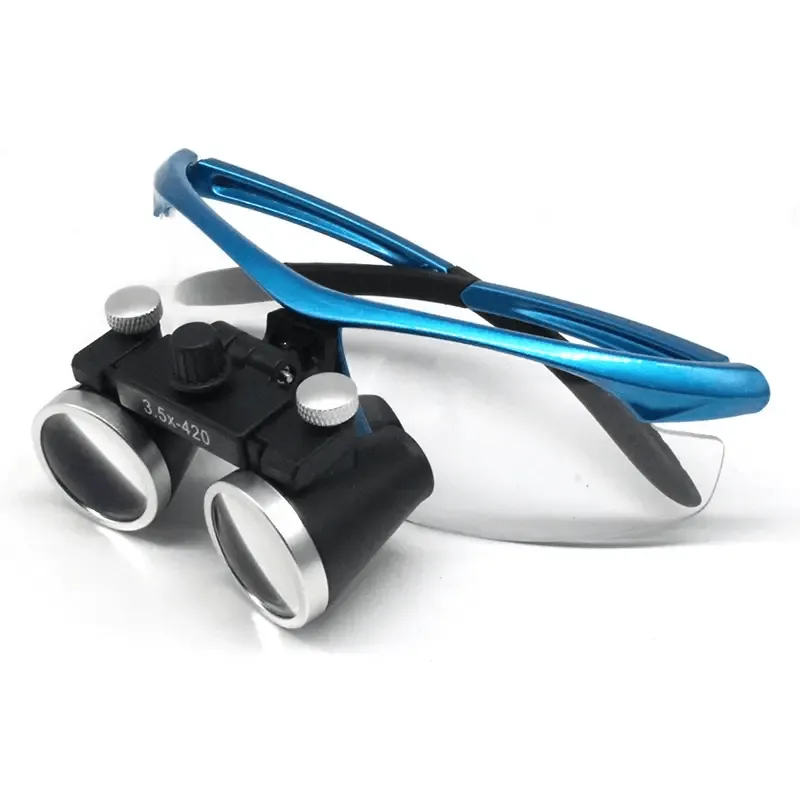

As a dental professional, precision and clarity are essential in every procedure. Whether you're performing a routine cleaning or a complex surgical procedure, the ability to see every detail is critical for achieving the best possible outcomes. Magnification Binocular Loupes are one of the most important tools that provide enhanced visibility and reduce eye strain, allowing dental professionals to perform tasks with higher precision.
In this comprehensive guide, we’ll explore the benefits of Magnification Binocular Loupes, how they integrate into Dental Kits, and why they are essential for improving both patient care and your overall workflow. Additionally, we'll look at how combining these loupes with a Dental Photography Light can further elevate the quality of your practice, particularly in the realm of dental photography.
What Are Magnification Binocular Loupes?
Magnification Binocular Loupes are optical instruments designed to help dental professionals see small details with greater clarity during procedures. These loupes consist of two lenses that magnify the view, allowing for better visualization of intricate areas inside the mouth, such as teeth, gums, and other structures.
The main advantage of using binocular loupes, as opposed to monocular ones, is that they offer a stereoscopic view, which improves depth perception. This makes them especially useful for performing precise dental procedures, as it helps dental professionals judge the depth and orientation of dental structures more accurately.
Key Features of Magnification Binocular Loupes
- Magnification Power: Loupes typically offer magnifications ranging from 2.5x to 5x, depending on the level of detail required for the procedure.
- Binocular Design: This feature provides both eyes with a simultaneous view, reducing eye strain and improving comfort during extended use.
- Lightweight and Comfortable: Modern loupes are designed to be lightweight, ensuring minimal strain on the neck and back during long procedures.
- Adjustable Frames: Binocular loupes often come with adjustable frames and headbands for a custom fit, allowing for maximum comfort and convenience.
Why Magnification Binocular Loupes Are Essential for Dentists
The right Magnification Binocular Loupes can transform the way dental professionals approach their work, providing numerous benefits:
1. Improved Precision and Accuracy
Whether you’re performing delicate procedures like root canals or working with small instruments for fillings, having a clear and magnified view of the area ensures that you can complete the task with the highest level of accuracy. Loupes enable you to see minute details that might otherwise be missed, preventing mistakes that could lead to complications.
2. Reduced Eye Strain
Spending long hours bent over patients can strain your eyes, leading to discomfort and even long-term vision problems. Magnification Binocular Loupes provide the magnification you need without requiring you to strain your eyes or lean too close to the patient. This not only reduces eye fatigue but also helps maintain a better posture throughout procedures.
3. Enhanced Depth Perception
Unlike traditional magnifying glasses, binocular loupes provide a 3D view, allowing for better depth perception. This is crucial when working with small or complex dental structures that require precise adjustments.
4. Comfort and Ergonomics
The adjustable headbands and lightweight designs of Magnification Binocular Loupes ensure comfort even during long procedures. With these loupes, you can focus more on the task at hand and less on neck or back discomfort.
The Role of Dental Photography Light in Enhancing Your Practice
Dental Photography Light is another essential component for professionals who want to capture high-quality images of their work. Whether you're documenting a procedure, diagnosing a condition, or marketing your practice, good lighting is crucial for producing clear, accurate, and professional-grade dental photos.
Why Lighting Matters in Dental Photography
In dental photography, achieving optimal lighting can be a challenge due to the tight spaces and varying angles inside a patient's mouth. Insufficient lighting can lead to blurry, shadowed, or poorly-lit photos, which can affect diagnostic accuracy and patient communication.
A Dental Photography Light is designed to overcome these challenges by providing bright, focused lighting that enhances the visibility of the teeth and gums without causing unwanted shadows or glare.
Benefits of Dental Photography Light
- Improved Image Quality: Proper lighting enhances the clarity and color accuracy of dental images, making them ideal for diagnostic purposes and presentations.
- Uniform Lighting: These lights are designed to reduce harsh shadows and provide even, consistent illumination across the treatment area.
- Hands-Free Operation: Many Dental Photography Lights are mounted on the headband of Magnification Binocular Loupes, allowing dental professionals to illuminate the area without needing to adjust the light manually during the procedure.
How Magnification Binocular Loupes and Dental Photography Light Work Together
When used in tandem, Magnification Binocular Loupes and Dental Photography Lights can significantly enhance the quality of your work. Here's how they complement each other:
- Enhanced Visibility: The Magnification Binocular Loupes provide a clearer and more detailed view, while the Dental Photography Light ensures the treatment area is brightly lit and free from shadows. Together, they help dental professionals achieve the highest level of precision.
- Seamless Workflow: With the lighting integrated into the loupes, you can easily adjust both the magnification and lighting without needing to move or reposition equipment. This creates a smooth and efficient workflow during dental procedures and photography sessions.
- Improved Patient Communication: High-quality, well-lit photographs taken with the Dental Photography Light can be used to educate patients about their oral health. Whether you're showing before-and-after pictures of treatments or discussing potential issues, clear visuals are crucial for effective communication.
How to Choose the Right Magnification Binocular Loupes for Your Practice
When choosing Magnification Binocular Loupes, it’s essential to consider a few key factors to ensure you select the right option for your needs:
1. Magnification Power
Select loupes with the appropriate magnification for the types of procedures you perform. Typically, 2.5x to 3.5x magnification is suitable for most general dental work, while higher magnifications (4x to 5x) may be necessary for more detailed work like root canals or surgical procedures.
2. Comfort and Fit
Look for adjustable headbands and frames that offer a comfortable, custom fit. This is crucial for reducing strain during long procedures and ensuring you can wear your loupes for extended periods without discomfort.
3. Weight
Opt for lightweight loupes to avoid neck strain. Loupes that are too heavy can cause discomfort and fatigue, particularly during long sessions.
4. Lighting Features
If you frequently take dental photographs, consider choosing Magnification Binocular Loupes that integrate a Dental Photography Light. These lights are typically mounted on the headband and offer optimal illumination, reducing shadows and providing clear views of the treatment area.
Cost and Pricing Factors for Magnification Binocular Loupes
The cost of Magnification Binocular Loupes can vary depending on the brand, magnification power, and additional features such as built-in lighting. Here's a rough guide to the price range:
- Basic Models: These typically cost between $150 and $500. These loupes offer lower magnification and fewer advanced features.
- Mid-Range Models: Expect to pay between $500 and $1,500 for loupes that offer better magnification, built-in LED lights, and adjustable features for comfort.
- High-End Models: Premium loupes with advanced magnification, high-quality lenses, and integrated Dental Photography Lights can range from $1,500 to $2,500.
Investing in high-quality loupes is a long-term investment in both your practice and your patients’ health. It’s worth spending more for a set that offers better comfort, clarity, and durability.
Common Mistakes to Avoid with Magnification Binocular Loupes
- Selecting Too High a Magnification: High magnifications (like 5x) may cause limited field of view, which could make it harder to see large areas of the mouth. Ensure you select the right magnification for your specific needs.
- Not Adjusting the Fit: An improperly adjusted headband or frame can lead to discomfort and may cause neck strain over time. Always ensure a secure and comfortable fit before starting a procedure.
- Neglecting Cleaning and Maintenance: Regularly clean the lenses and check for any loose parts to ensure optimal performance. A poorly maintained set of loupes can affect your ability to see clearly.
Pro Tips for Using Magnification Binocular Loupes
- Properly Adjust the Angle: Adjust the angle of your loupes so that they align with your line of sight, reducing strain on your neck.
- Use Adequate Lighting: Make sure the Dental Photography Light provides sufficient illumination to avoid shadows and ensure clear visuals.
- Practice Good Posture: Maintain good posture to prevent back and neck strain during long procedures.
Conclusion: Enhance Your Dental Practice with Precision Tools
Incorporating Magnification Binocular Loupes and a Dental Photography Light into your Dental Kits will help you achieve the highest level of precision in your work. These tools enhance visibility, reduce strain, and improve patient outcomes. Whether you're performing detailed procedures or capturing diagnostic images, these tools will ensure you have the clarity and comfort you need to excel in your practice.



























Sign in to leave a comment.