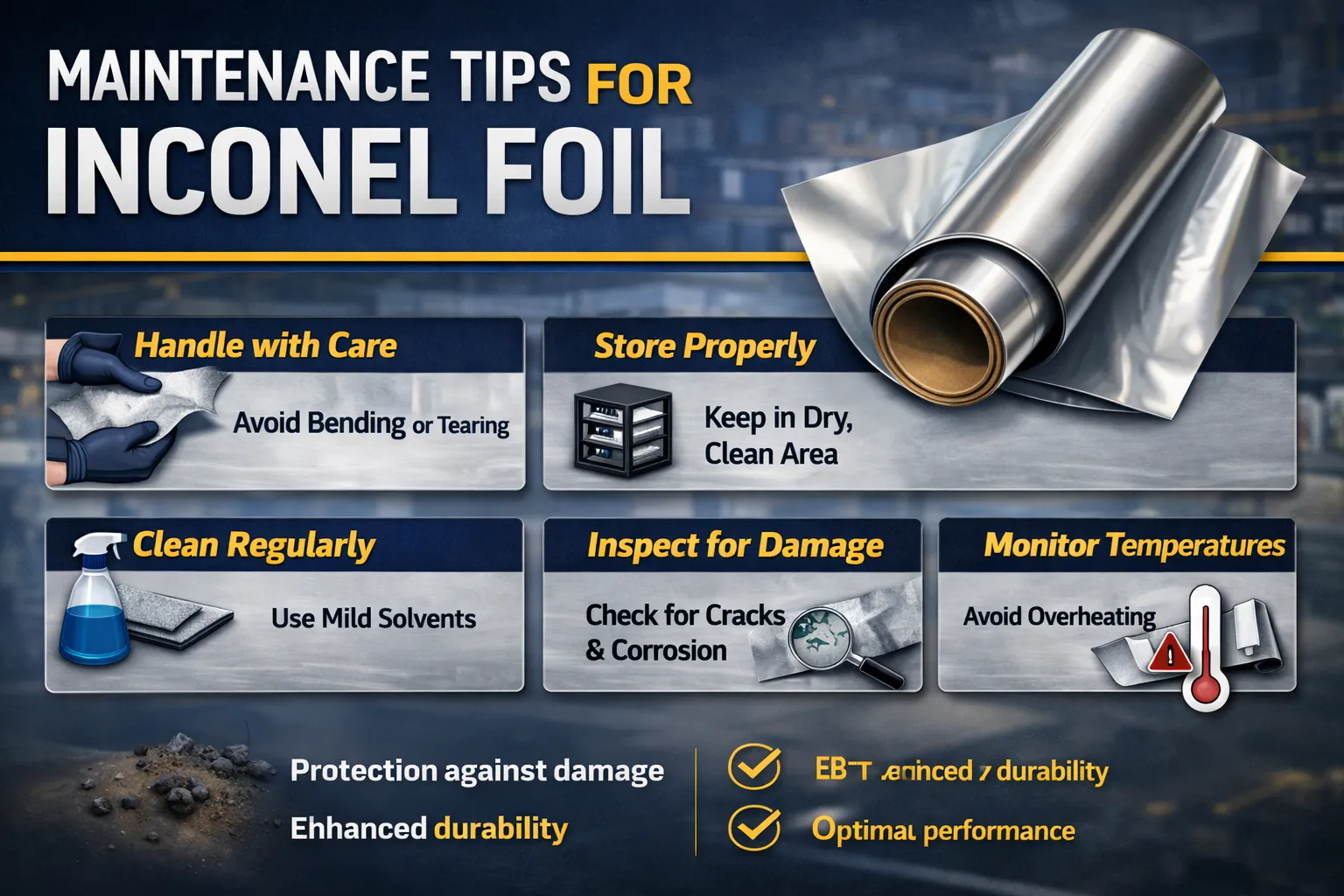

Inconel foil is widely used in industries such as aerospace, chemical processing, electronics, and heat treatment due to its exceptional resistance to heat, oxidation, and corrosion. However, to maintain its high performance and extend its service life, proper care and maintenance are essential. Following the right practices not only preserves the material’s integrity but also ensures consistent performance in demanding environments. In particular, inconel foil for heat shielding is highly valued in applications where components are exposed to extreme thermal conditions and require reliable protection against heat transfer.
Inconel foil, typically made from nickel-based superalloys like Inconel 600 or 625, is designed to withstand extreme temperatures and aggressive chemical conditions. Even though it is highly durable, regular inspection, correct handling, and preventive maintenance play a key role in avoiding premature wear or damage. Working with a reliable inconel foil supplier also ensures that you receive high-quality material that meets industry standards and performs efficiently over time.
1. Proper Storage Conditions
Storing Inconel foil correctly is the first step in maintaining its quality. Although it resists corrosion, improper storage can lead to contamination or surface damage.
Best practices include:
- Store in a clean, dry, and moisture-free environment
- Keep away from dust, dirt, and chemicals
- Use protective wrapping or covers
- Avoid direct contact with carbon steel to prevent contamination
Maintaining a controlled storage environment helps preserve the foil’s surface and properties.
2. Handle with Care
Inconel foil is thin and flexible, which makes it prone to scratches, dents, or deformation if not handled properly.
Handling tips:
- Use gloves to avoid oil and dirt transfer
- Avoid sharp tools that may scratch the surface
- Handle with proper support to prevent bending or tearing
Careful handling ensures the foil maintains its structural and surface integrity.
3. Regular Cleaning
Keeping Inconel foil clean is essential for maintaining its corrosion resistance and performance.
Cleaning recommendations:
- Use mild detergents or approved cleaning solutions
- Avoid harsh acids or abrasive materials
- Rinse thoroughly with clean water
- Dry completely to prevent residue buildup
Regular cleaning prevents contamination and enhances the lifespan of the foil.
4. Avoid Chemical Contamination
While Inconel foil offers excellent resistance to many chemicals, certain substances can still cause damage over time.
Avoid exposure to:
- Strong reducing acids
- Sulfur-containing compounds
- Halides in high concentrations
Always verify chemical compatibility before use to prevent degradation.
5. Monitor Temperature Exposure
Inconel foil performs exceptionally well at high temperatures, but prolonged exposure beyond recommended limits can affect its properties.
Tips:
- Operate within specified temperature ranges
- Avoid sudden temperature fluctuations
- Monitor thermal cycles in high-heat applications
Controlled temperature conditions help maintain strength and oxidation resistance.
6. Prevent Mechanical Stress
Excessive mechanical stress can lead to deformation or fatigue in Inconel foil.
Precautions include:
- Avoid over-bending or stretching
- Use proper support during installation
- Prevent vibration or impact damage
Minimizing stress ensures long-term durability and performance.
7. Routine Inspection
Regular inspection is crucial for identifying early signs of wear or damage.
Check for:
- Surface cracks or tears
- Discoloration due to overheating
- Signs of corrosion or contamination
Early detection allows timely maintenance and prevents costly replacements. Partnering with a trusted inconel Foil supplier can also help in sourcing replacement materials quickly when needed.
8. Use Appropriate Fabrication Techniques
Improper fabrication can compromise the quality of Inconel foil.
Best practices:
- Use suitable cutting and forming tools
- Follow recommended welding and machining procedures
- Avoid overheating during processing
Proper fabrication ensures the foil retains its original properties.
9. Protect During Transportation
Transportation can expose Inconel foil to physical damage or environmental factors.
Safety measures:
- Use secure and cushioned packaging
- Avoid stacking heavy materials on top
- Protect from moisture and contaminants
Safe transportation helps maintain the foil’s quality from supplier to application.
10. Follow Industry Standards
Always ensure that Inconel foil is used and maintained according to relevant standards and guidelines.
This ensures:
- Consistent performance
- Compliance with industry requirements
- Enhanced safety and reliability
Conclusion
Inconel foil is a high-performance material designed for extreme conditions, but its longevity depends on proper maintenance and handling. By following best practices such as proper storage, regular cleaning, controlled temperature exposure, and routine inspections, you can significantly extend its lifespan and maintain its efficiency.
Choosing a reliable inconel Foil supplier further ensures consistent quality, timely availability, and expert guidance, making it easier to maintain optimal performance in critical applications.

























Sign in to leave a comment.