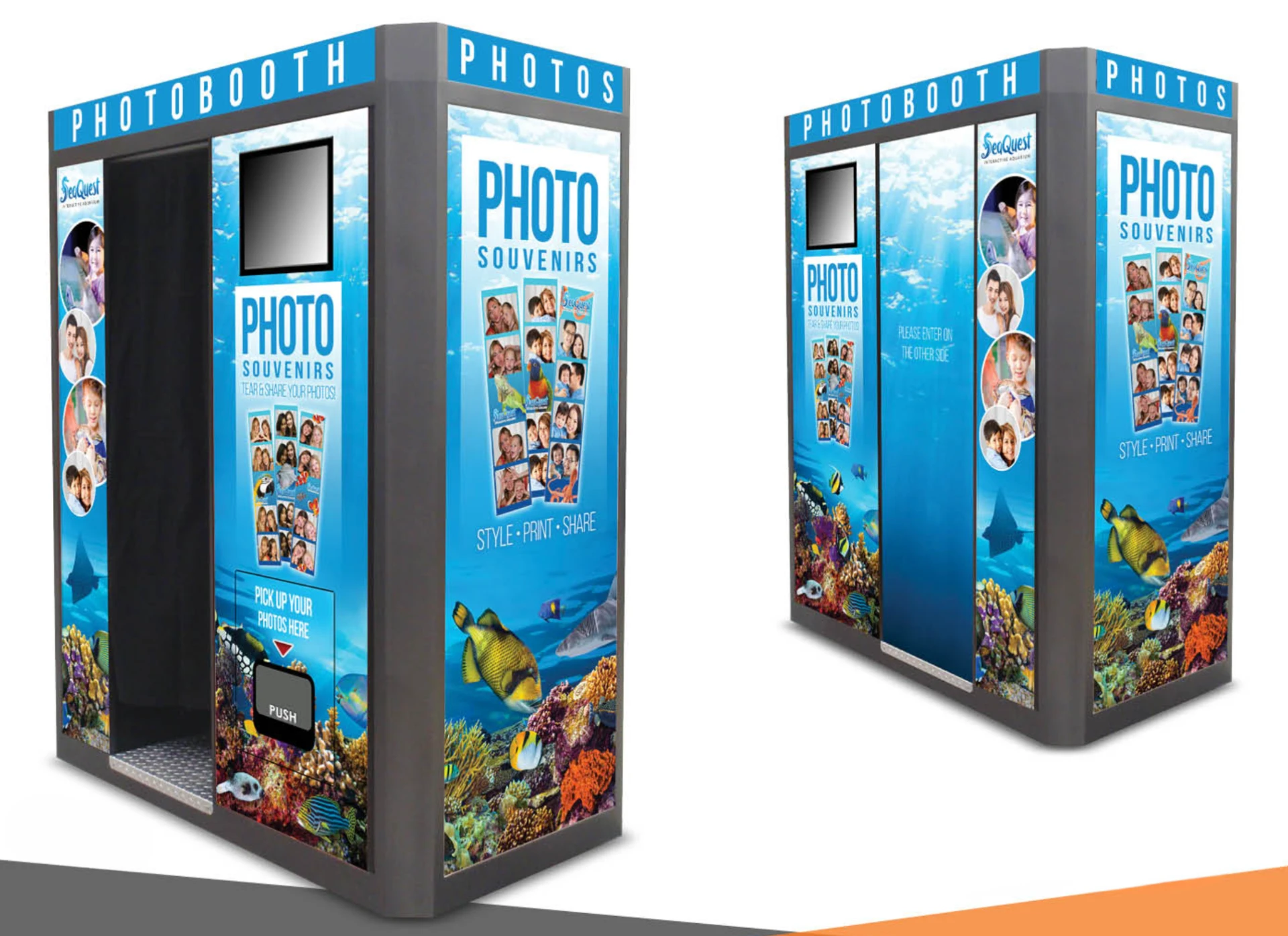
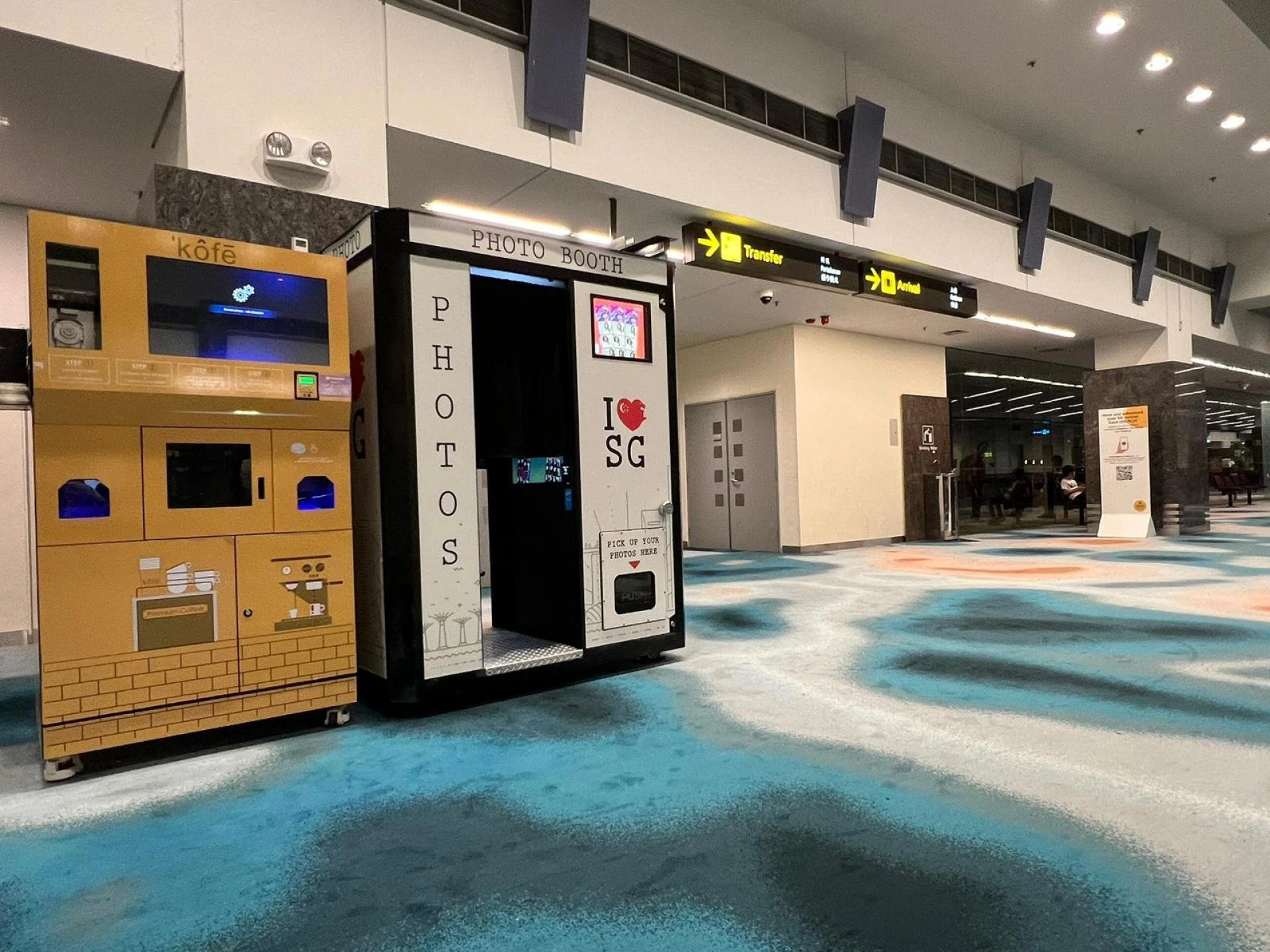
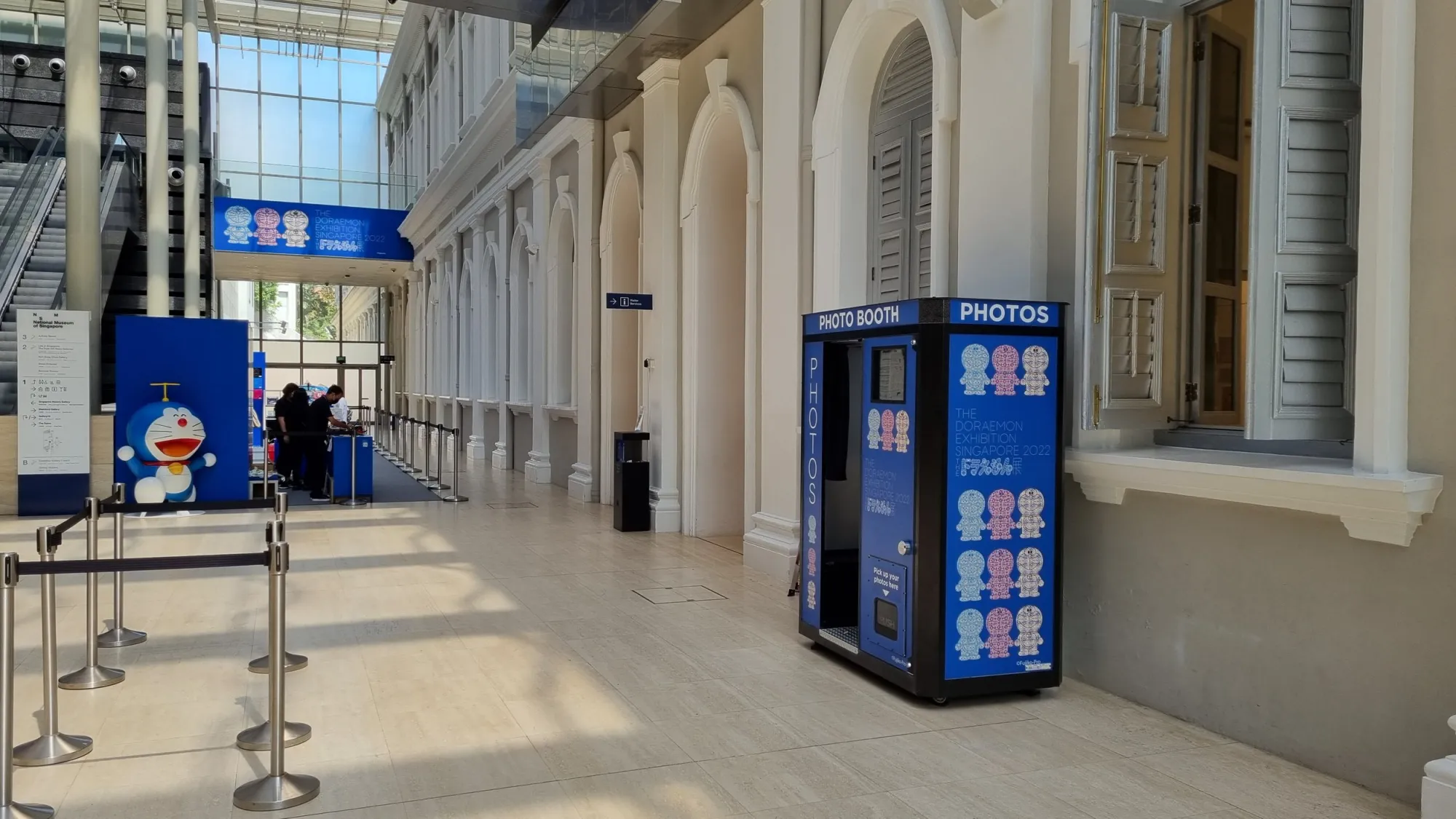
Most businesses chase customers through ads and emails. They invest their money with the expectation that someone will pay attention. However, a better option exists. Give people something worth talking about when they're already in your space. Interactive experiences do three things at the same time. They take attention. They get authentic data. They flow through social networks automatically. One of the tools that assists in this process is a photobooth. In this article, you'll find instructions to create experiences that grow your company rather than just amuse the audience.
Why Interaction Is More Effective Than Interruption
The usual way of marketing continues to push messages toward people. Experience-led growth pulls them in. The impact of the difference is seen in your metrics.
Obtaining Real Contact Information
Forms are ignored. Pop-ups are closed. But if you hand the person a fun activity, asking for their email would be fair. You are giving value in exchange for information. That change is a complete turnaround of list building.
Organic Reach That Grows Exponentially
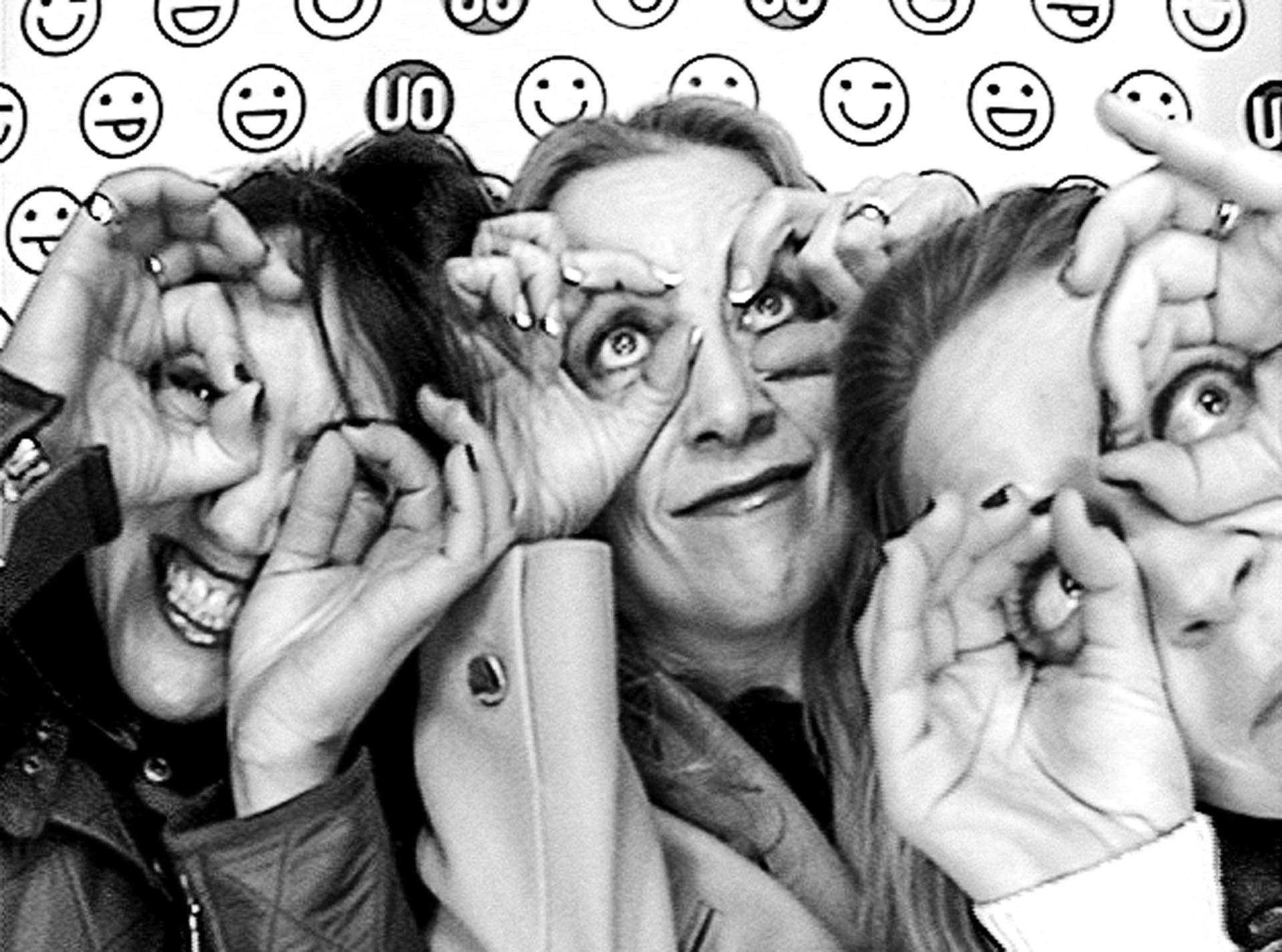
Paid ads come to an end when you stop paying for them. Shared people’s experiences remain for a long time after you stop. A person posts a picture, which is seen by their network. Some of them visit your establishment, and these new guests generate more content. The cycle continues without any extra cost.
Channel-Memory Building
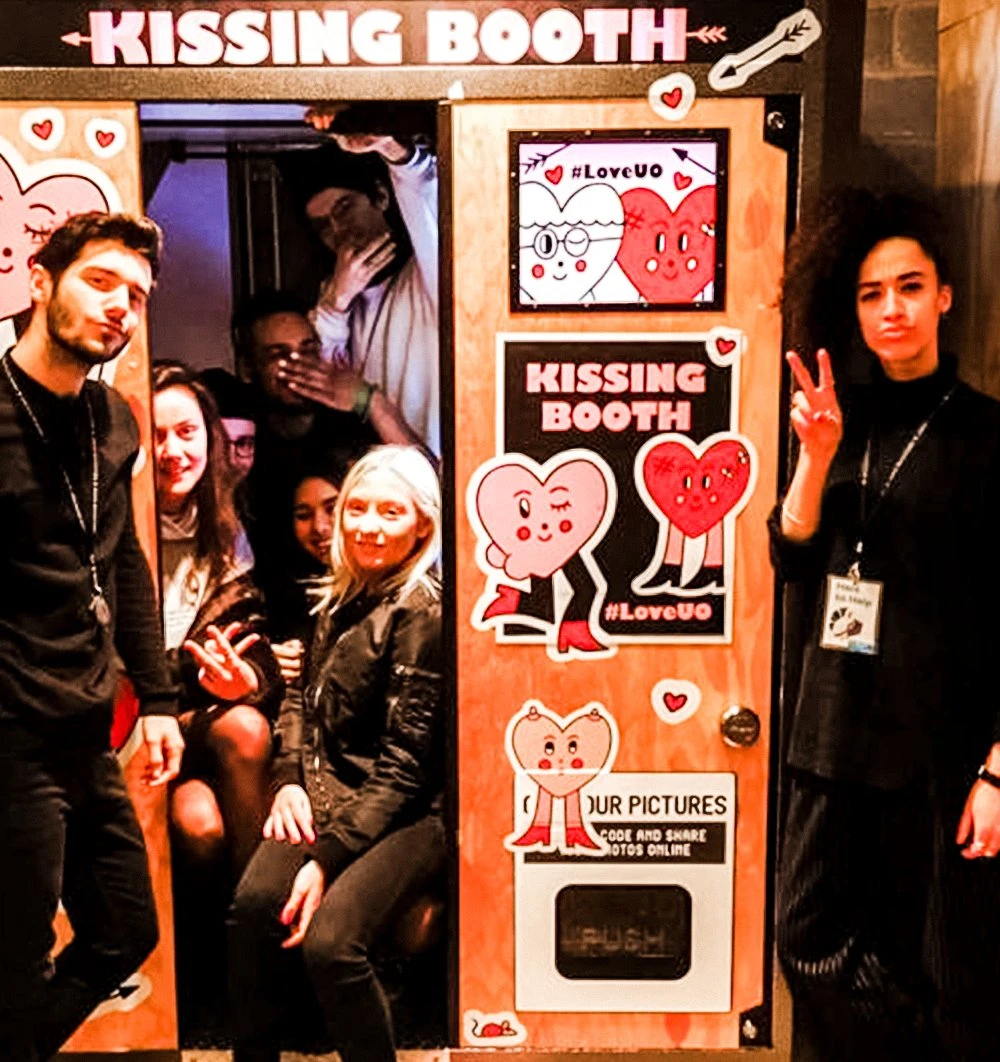
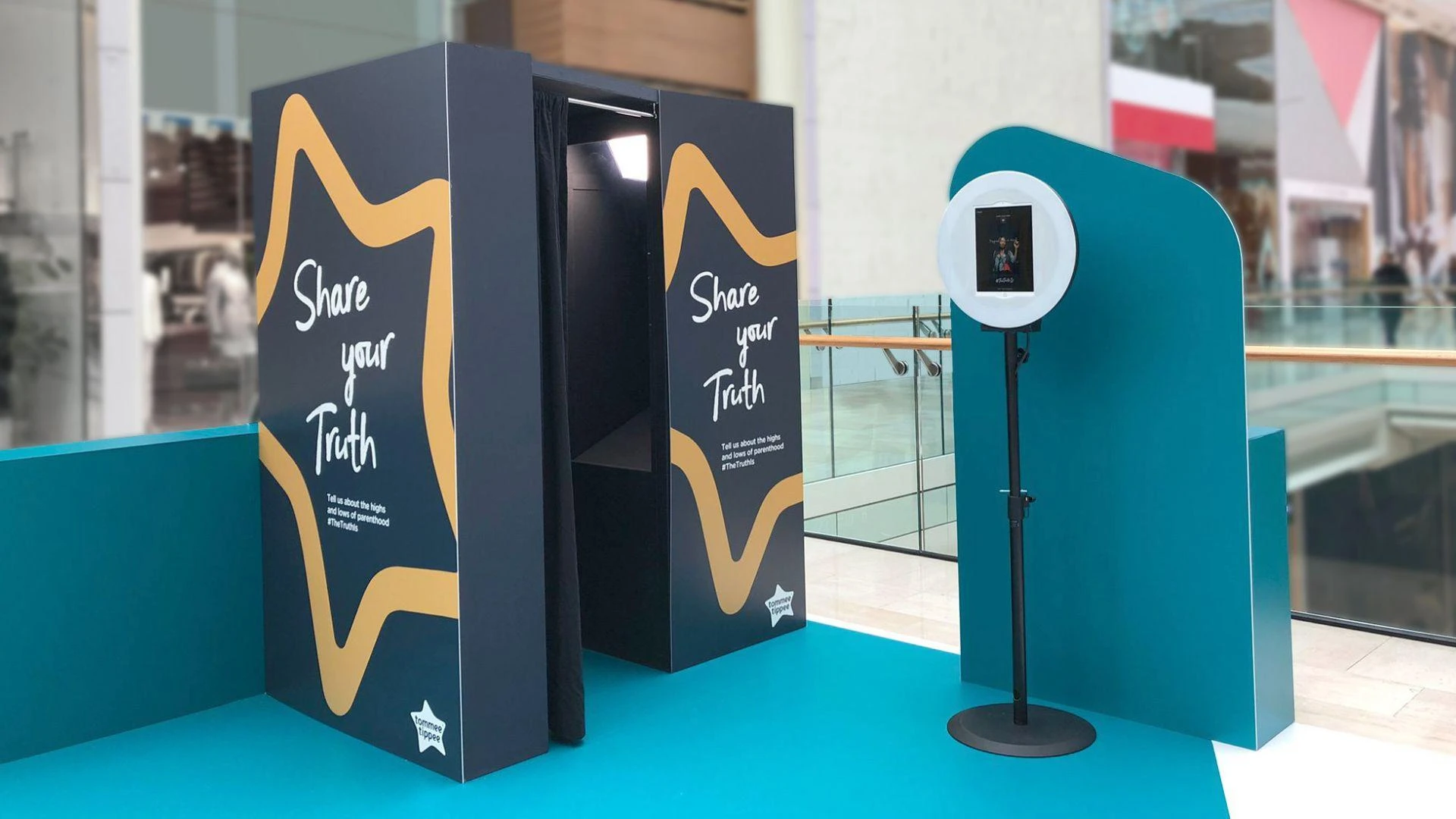
A printed keepsake sits on a desk. A digital version is stored in a mobile phone. An email notice is sent afterwards. Each point strengthens the others. This layered approach is how you boost your marketing strategy with unique photo experiences that create lasting impact.
Building Experiences That Convert
Theoretically, random fun would not bring in any money, while strategic fun would. The gap comes from scheduling.
- Select locations where people prefer to stay longer. The waiting areas work the best. So do spots right after checkout.
- The creativity of your choice should be the same as your goals. Seasonal themes create urgency. Recognition is built through branded elements. Your creative strategies should cater to the specific outcomes.
- Turn the opting in to your advantage. Certain rewards are more effective than general expectations. Twenty per cent off right now. Double loyalty points. Entry to win something valuable.
- Integrate it with your technology. Link the data extracted to your mail service. Activating automated sequences is next. Allow one event to ignite many follow-ups.
- Eliminate any misunderstanding. A friendly staff member who is within the communication range helps a lot. Make participation feel effortless.
Creative design improves attendance and participation rates. Higher rates mean more data captured. More data means more conversion opportunities.
Tracking What Drives Decisions
Vanity metrics might give you a sense of success, but they are not going to pay bills. It is better to consider numbers that have a direct connection to money.
- The new contacts made daily are a sign of growth in the pipeline. Each email or phone number is an opportunity for selling in the future. So, keep a daily track of that.
- The percentage of offers redeemed serves as proof that the experience encourages action. Low redemption means that the bond between fun and purchase intent is weak. High redemption stands for your validation.
- Dead revenue attribution answers the one question that really matters. Is money made? Keep a track of sales coming from the participants in comparison with the ones coming from the non-participants. The difference tells you everything.
- Metrics concerning system reliability are a safeguard for your investment. An opportunity lost due to just one hour of downtime is too much. Monitor the uptime of your system as if it were a revenue-generating asset.
- Pull these numbers every week to detect problems at the earliest stage. Go for an in-depth inquiry monthly to uncover opportunities for optimisation.
Venue Types That Benefit Most
The mechanics work across the board. The application varies depending on the business model.
Physical Retail Environments
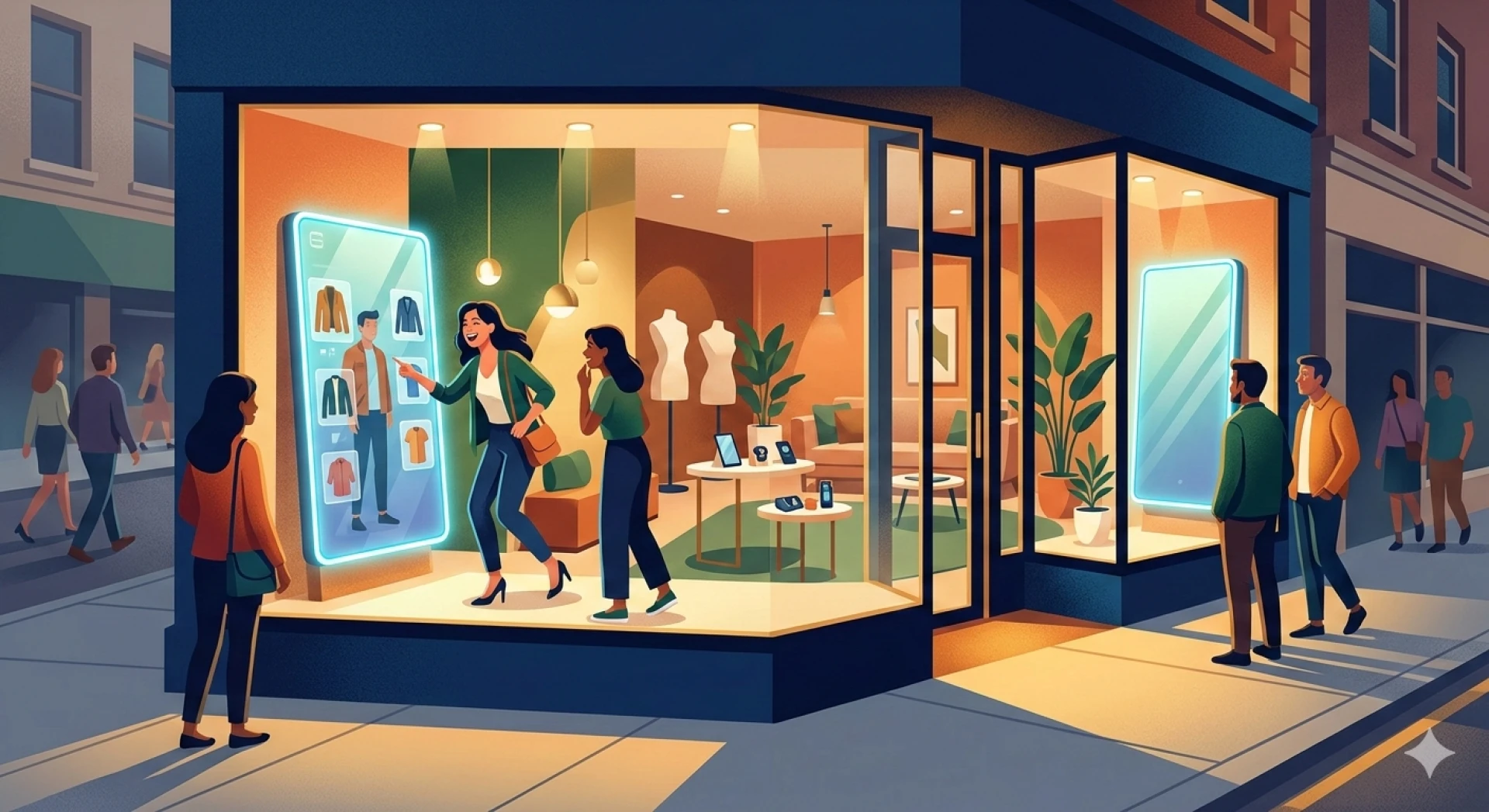
Getting people to walk into the store is just the first step. Experiences give customers a reason to visit. While customers are browsing, data collection is taking place. Lightning offers are turning mere interest into purchases before the customers leave.
Food and Beverage Locations
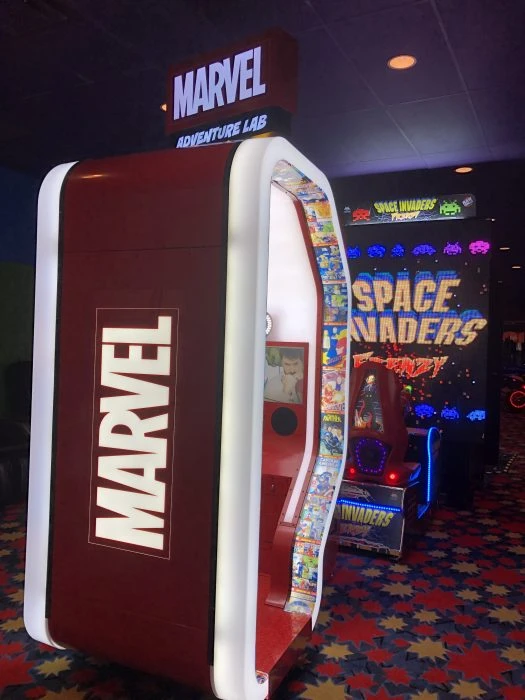
These venues have already been the setting for social moments. Photo experiences are bringing more attention to what is already happening. Connect it to your promotion. New dishes. Happy hours. Holidays. Something like a Marvel photo booth is particularly suited for such venues, where the mirror-style setups coincide with the lively socialising and group dynamics. Longer stays result in larger bills. Social media posts act as recommendations from friends.
Experience-Based Venues
Amusement parks, museums, concert halls, and tourist attractions sell people the experience, or rather, the memory. Photo captures those memories and puts them in a shareable format. Sponsors pay for their logo to be seen in user-generated content. The email list created during the visit is used to sell tickets for future events. One experience pays for the marketing of the next.
Starting Your First Activation
Turning attention into growth always happens in the same way. They occur in areas of natural traffic flow. They provide obvious benefits to the participants. They link up with the mechanisms that transform occasional interactions into continuous relationships. Begin with a visualisation of the high-traffic times in your venue. Design an activation that is excellently executed to capitalise on your biggest opportunity. The majority of service providers allow you to prove your concept with small-scale projects before going big.
The important thing is to go from theory to practice. Select your location, plan your experience, and monitor the data for insights.


















Sign in to leave a comment.