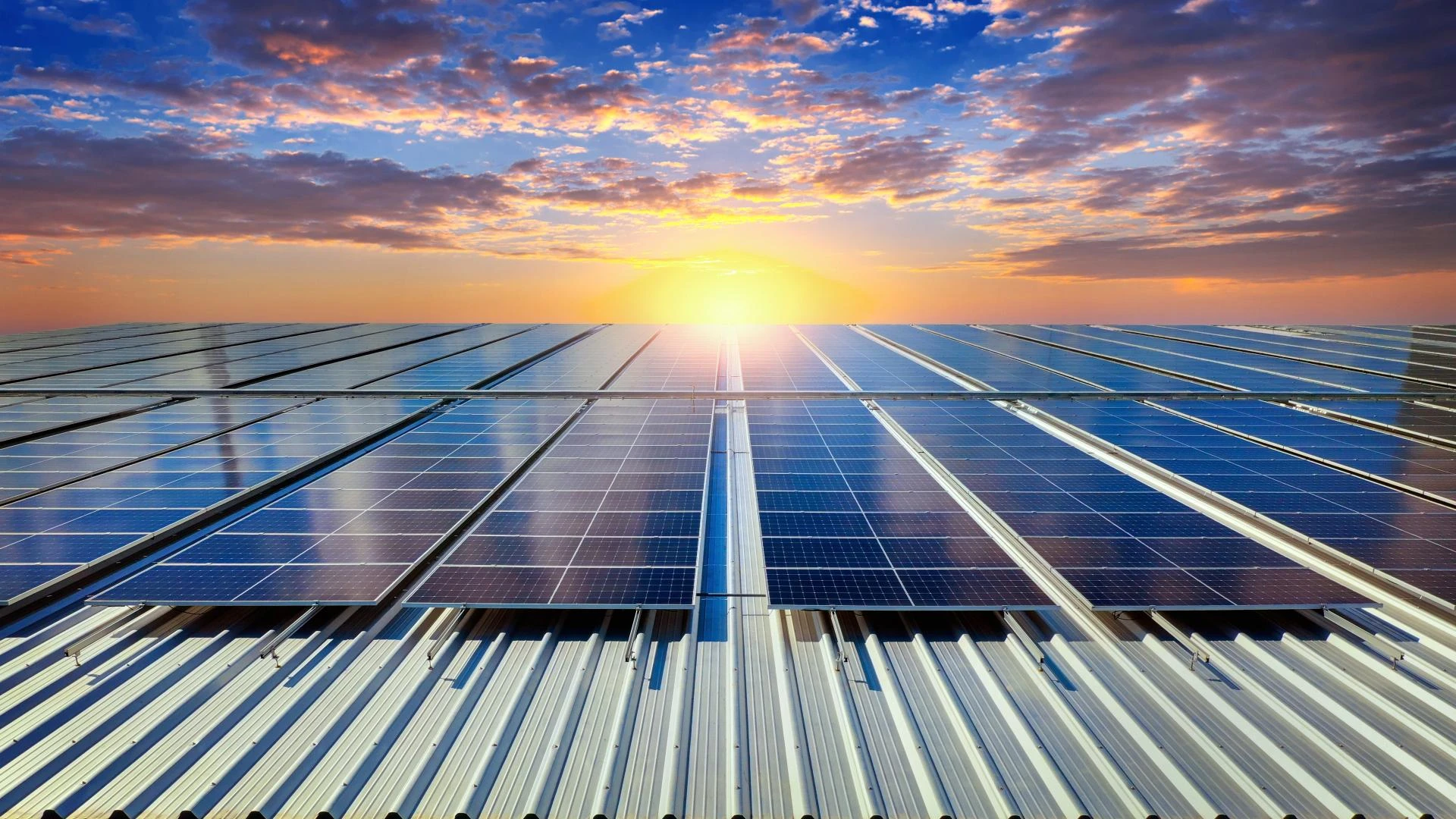

India’s green energy transition is no longer a distant dream, it’s happening now. At the heart of this shift is solar energy, a sustainable power source that holds the potential to meet India’s growing electricity demand without harming the environment. Thanks to the government’s ambitious Make in India initiative and the efforts of homegrown solar panel manufacturers, the nation is building a more self-reliant and cleaner energy future.
The Need for Clean Energy in India
India is the third-largest energy consumer in the world. With a fast-growing economy, urbanisation, and rising energy demand, there's a pressing need to reduce dependency on fossil fuels. The environmental impact of coal and oil, combined with global climate commitments, makes solar power a strategic priority.
Solar energy is abundant, renewable, and now more affordable than ever. With over 300 sunny days annually, India is geographically well-positioned to harness solar power. What’s been crucial to this progress, however, is the rise of domestic manufacturers designing, producing, and deploying solar panels and systems across the country.
Make in India: Fueling Domestic Manufacturing
In 2014, Make in India aimed to boost the manufacturing sector and reduce import dependency. For the solar industry, this translated into significant policy support, including:
- Production Linked Incentive (PLI) Schemes for high-efficiency solar modules
- Customs duties on imported solar panels and cells to promote local production
- Bharat Green Hydrogen Mission and Solar Park Schemes to drive renewable energy use
These policies are helping Indian companies scale up manufacturing capacities, invest in R&D, and innovate across the solar value chain—from wafers and cells to panels and complete systems.
India’s Homegrown Solar Heroes
A new generation of solar panel manufacturers in India is now leading the charge in driving the green revolution. These companies are not just assembling imported parts; they are building end-to-end solutions, often with cutting-edge technology and a deep commitment to sustainability.
Whether setting up manufacturing hubs in Gujarat, Maharashtra, or Tamil Nadu, or supplying panels for large-scale solar parks and rooftop installations, these companies are creating jobs, boosting local economies, and most importantly, making solar accessible to all.
Many of these firms also focus on quality and efficiency, producing panels that meet international standards. Some exporting to overseas markets, positioning India as a global solar manufacturing hub.
Sustainability and Energy Independence
One of the biggest advantages of promoting homegrown solar manufacturing is energy independence. By reducing reliance on imported panels—especially from countries like China—India strengthens its energy security and avoids supply chain disruptions.
Moreover, local production is better for the environment. It reduces the carbon footprint of transportation, encourages recycling and reuse, and often follows more stringent environmental norms.
Solar panels manufactured in India also tend to cater to Indian climate conditions, making them more durable and efficient for the local environment, from the deserts of Rajasthan to the coasts of Tamil Nadu.
Job Creation and Economic Growth
The domestic solar industry is also a major employment generator. From engineers and technicians to sales, installation, and maintenance crews, the sector provides a wide range of job opportunities. As manufacturing capacities expand, so do the opportunities for skilled and semi-skilled workers.
This growth has a ripple effect across industries—glass, metals, semiconductors, logistics, and more. The Make in India movement isn’t just about solar panels; it’s about building an entire ecosystem of innovation, production, and clean energy entrepreneurship.
Looking Ahead: Challenges and Opportunities
While India has made impressive progress, challenges remain. Access to high-quality raw materials, financing for small manufacturers, and global competition still pose barriers. But with continued policy support, technological advancement, and increased awareness, the outlook is promising.
India aims to install 500 GW of non-fossil fuel capacity by 2030, and is expected to account for a major share of this. Homegrown solar manufacturers will play a key role in achieving this target and making India a true leader in the global green energy movement.
Conclusion
The future of India’s energy lies in the sun—and in the capable hands of its solar innovators. The synergy between the Make in India vision and the solar industry is creating not just energy, but empowerment. By choosing local, we’re not just powering homes and businesses—we’re fueling self-reliance, sustainability, and a brighter tomorrow.


























Sign in to leave a comment.