
Introduction
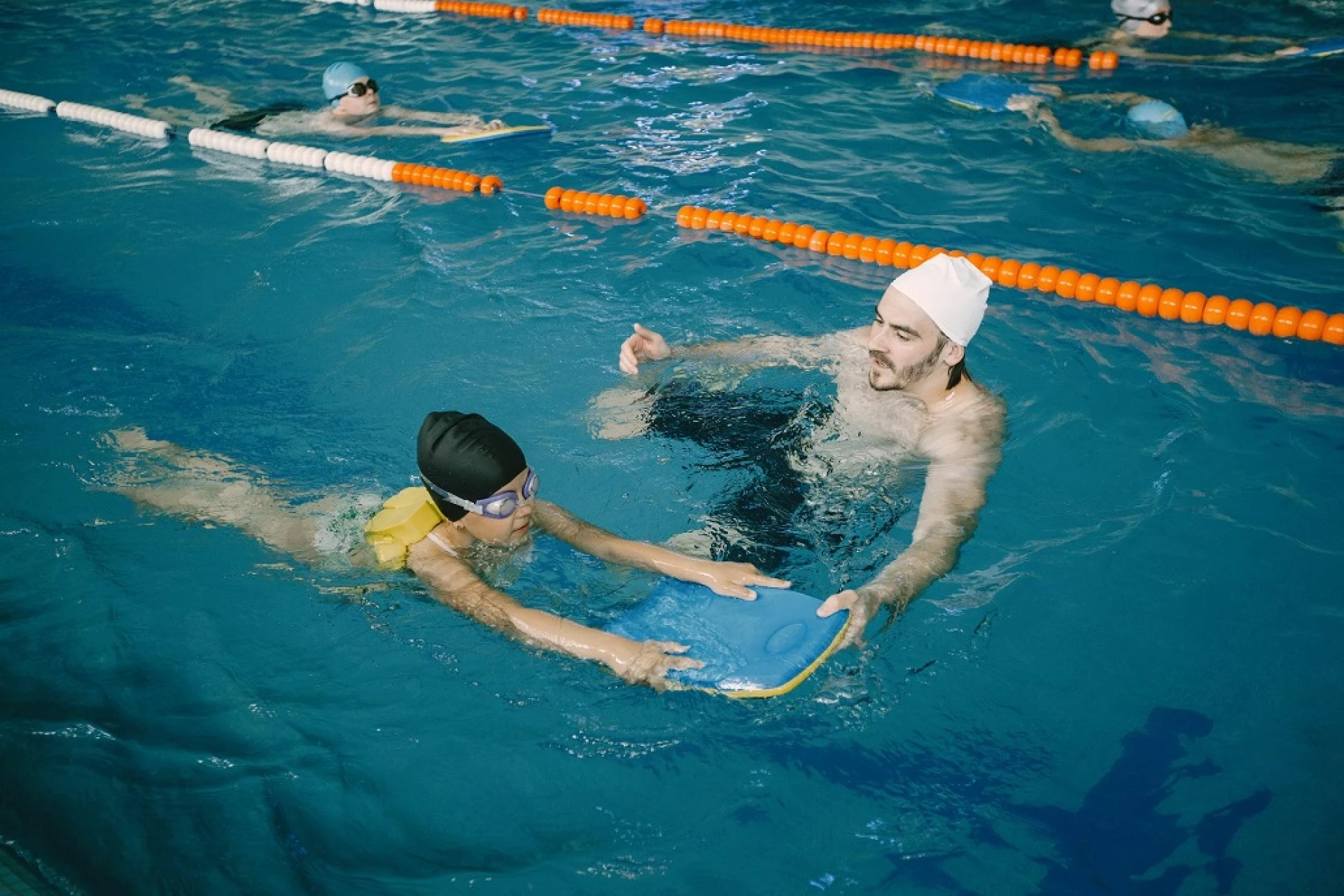
In a world where diversity and inclusion are becoming increasingly important, it is essential that everyone, regardless of their abilities or challenges, has the opportunity to enjoy life to the fullest. This includes the simple joy of swimming. Special needs swimming lessons play a vital role in promoting inclusivity, safety, and confidence among individuals with disabilities. In this article, we will delve into the significance of special needs swimming lessons and explore how they make a positive impact on the lives of those who participate.
1. Breaking Barriers
One of the most significant advantages of special needs swimming lessons is their ability to break down barriers. For individuals with disabilities, participating in typical activities can be daunting due to concerns about safety, accessibility, and a lack of understanding from others. Specialized swimming lessons create a safe and supportive environment where participants can learn at their own pace, build self-esteem, and engage in a recreational activity like any other person.
2. Boosting Confidence and Self-Esteem
Swimming is more than just a physical exercise; it's an opportunity to develop essential life skills and build self-confidence. For children and adults with special needs, the sensation of floating and moving through water can be liberating. Instructors who are trained to work with special needs individuals focus on building trust, fostering independence, and celebrating small achievements, which, in turn, boosts self-esteem.
3. Enhancing Physical and Mental Well-Being
Swimming offers numerous physical benefits, making it an ideal form of exercise for people with disabilities. The buoyancy of water reduces the impact on joints, making it easier for those with mobility issues to move freely. Moreover, swimming improves cardiovascular health, muscle strength, and coordination. It's also known to have a calming effect, reducing stress and anxiety – factors that often accompany the challenges of living with a disability.
4. Promoting Social Interaction
Participating in special needs swimming lessons isn't just about learning to swim; it's also about fostering social interaction. These classes provide a supportive community where individuals can make friends who share similar experiences and challenges. The sense of belonging that comes with being part of a group can have a profound impact on one's mental well-being.
5. Ensuring Safety First
Safety is paramount when it comes to swimming, especially for individuals with special needs. Specialized instructors are trained to handle various disabilities and tailor their teaching methods to meet individual needs. They understand how to create a secure environment, use adaptive equipment, and implement proper techniques to reduce the risk of accidents.
6. Lifelong Skills and Enjoyment
The skills acquired in special needs swimming lessons aren't just for the pool; they're for life. Learning to swim can be a life-saving skill, particularly for individuals with mobility challenges who might encounter water in unexpected situations. Additionally, swimming offers a recreational activity that can be enjoyed throughout one's life, providing a source of fun and relaxation.
7. Tailored Instruction
Special needs swimming lessons are all about individualized instruction. Instructors are trained to recognize the unique needs of each participant, whether they have autism, Down syndrome, cerebral palsy, or any other disability. This tailored approach ensures that every individual receives the attention and support they require to progress at their own pace. It's not a one-size-fits-all approach; instead, it's about adapting the teaching style to suit the needs of the participant.
8. Overcoming Fear of Water
For many individuals with disabilities, water can be intimidating. Special needs swimming lessons are designed to address and overcome this fear. Instructors use gentle techniques and provide reassurance to help participants become comfortable in the water. Over time, this fear diminishes, replaced by a newfound love and respect for the aquatic environment.
9. Family Participation
Special needs swimming lessons often encourage family involvement. Parents and caregivers can participate in the classes or watch from the sidelines, learning alongside their loved ones. This involvement not only strengthens family bonds but also empowers families to continue practicing swimming skills outside of formal lessons, further enhancing the participant's progress.
10. Inclusivity Beyond the Pool
The benefits of special needs swimming lessons extend beyond the pool. As individuals with disabilities become more confident and skilled swimmers, they often gain the courage to participate in other physical activities and social events. The confidence gained from mastering swimming can lead to a more active and fulfilling life overall.
11. Advocacy and Awareness
Participating in special needs swimming lessons can also help raise awareness about the needs and capabilities of individuals with disabilities. When communities witness the accomplishments of these individuals in the pool, it challenges stereotypes and misconceptions about what people with disabilities can achieve. This advocacy can lead to more inclusive policies and environments in other areas of life, such as education and employment.
Conclusion
Special needs swimming lessons are a gateway to a world of opportunities for individuals with disabilities. They go far beyond teaching a skill; they empower, build confidence, and promote inclusion. These programs provide a path to physical and emotional well-being, fostering a sense of accomplishment that extends into various aspects of life. By recognizing the importance of special needs swimming lessons, we can contribute to a more inclusive and accepting society where everyone can make a splash and leave a lasting impact.























Sign in to leave a comment.