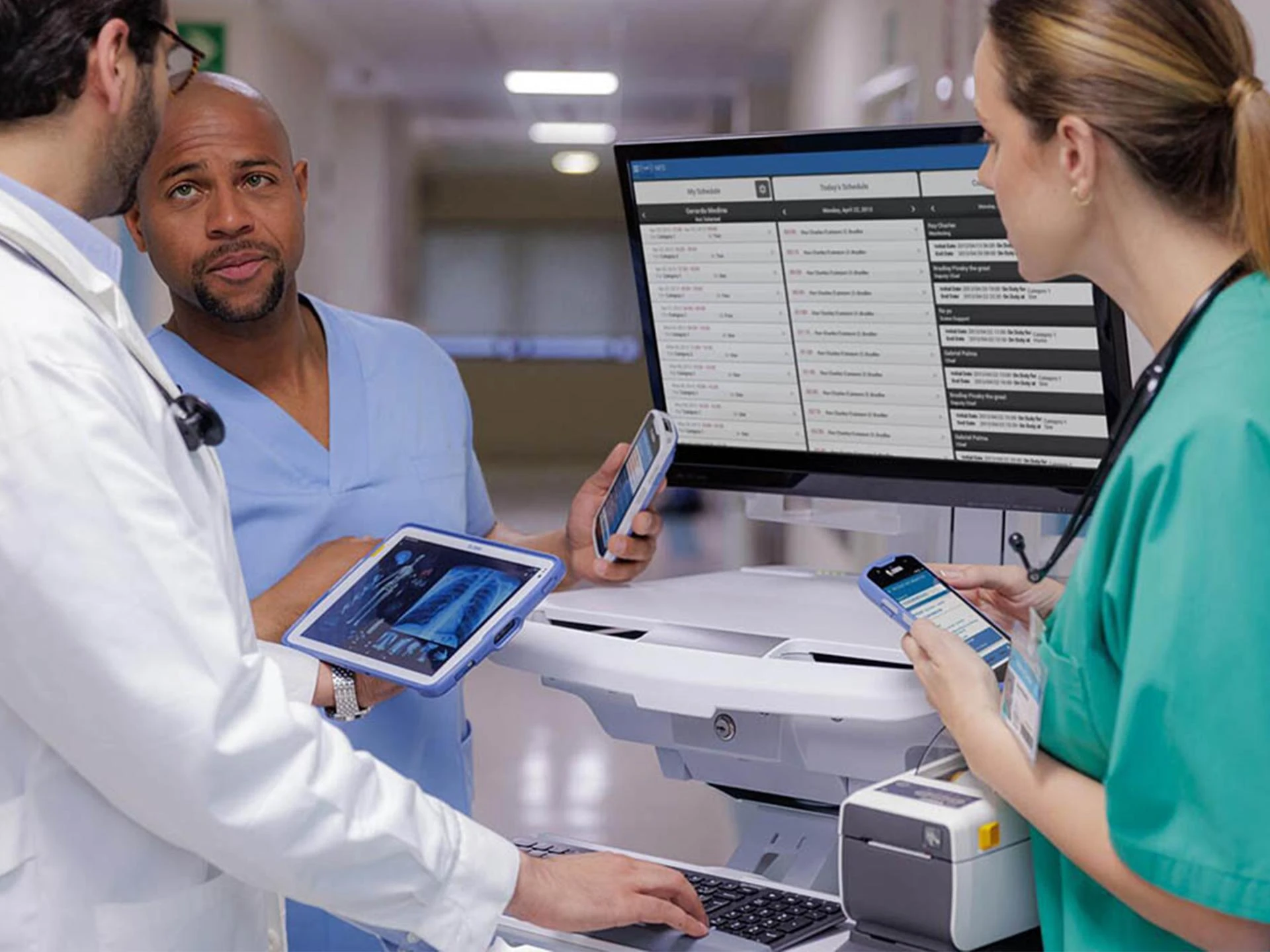

Healthcare administration has evolved dramatically in the digital era. As healthcare organizations manage growing patient populations, insurance complexities, and regulatory demands, advanced technology solutions such as managed care software and automated administrative platforms have become essential. One example is Managed Care Systems, Inc. (MCSI), whose comlink and other healthcare automation platforms help organizations efficiently manage claims, enrollment, billing, and reporting processes. With expertise in automated healthcare administration solutions, implementation, and support services for PPOs, ACOs, self-funded employers, and stop-loss carriers, MCSI enables healthcare organizations to streamline operations and improve efficiency through reliable, technology-driven systems.
Understanding Healthcare Administration in the Digital Age
Healthcare administration involves managing the operational, financial, and clinical support systems required to deliver healthcare services. This includes:
- Claims processing
- Member enrollment
- Billing and reimbursement
- Provider network management
- Reporting and analytics
Traditionally, these processes were handled manually or through fragmented systems. However, modern healthcare requires integrated digital platforms that can manage complex workflows efficiently and accurately.
Why Technology Is Essential in Healthcare Administration
Technology plays a crucial role in healthcare administration by:
- Reducing manual errors
- Automating repetitive tasks
- Improving communication between stakeholders
- Enhancing compliance with healthcare regulations
- Increasing operational efficiency
Cloud-based and automated healthcare management platforms provide secure access to healthcare data, ensuring accurate processing while protecting sensitive patient information.
What Are Managed Care Systems?
Definition and Overview
Managed care systems are specialized technology platforms designed to help healthcare organizations manage insurance plans, provider networks, and administrative processes.
These systems support organizations such as:
- Preferred Provider Organizations (PPOs)
- Accountable Care Organizations (ACOs)
- Third-party administrators
- Insurance companies
- Self-funded employers
Managed care models focus on cost control, quality improvement, and efficient coordination of care through administrative and technological solutions.
Core Functions of Managed Care Systems
Modern managed care systems provide essential administrative capabilities, including:
Claims Management
Claims management involves:
- Receiving claims
- Validating information
- Processing payments
- Managing reimbursements
Automated systems ensure faster processing and fewer errors.
Enrollment and Eligibility
Managed care platforms track:
- Member eligibility
- Coverage details
- Plan enrollment
This ensures accurate benefit administration.
Billing and Financial Management
Billing features include:
- Payment processing
- Financial reporting
- Automated invoicing
These tools improve financial transparency and efficiency.
Provider Network Management
Healthcare providers are integrated into the system, allowing administrators to:
- Manage provider contracts
- Monitor performance
- Coordinate care
The Importance of Managed Care Software in Healthcare Organizations
Managed care software is a comprehensive technology solution that supports healthcare administrative workflows.
Benefits of Managed Care Software
Improved Efficiency
Automation reduces manual tasks, allowing staff to focus on strategic activities.
Enhanced Accuracy
Automated systems minimize errors in claims and billing.
Cost Savings
Efficient processes reduce administrative costs.
Better Decision-Making
Analytics and reporting tools provide valuable insights.
Scalability
Healthcare organizations can grow without increasing administrative complexity.
How Managed Care Systems, Inc. Supports Healthcare Organizations
Managed Care Systems, Inc. is a leading provider of automated healthcare administration software and services.
Overview of MCSI
Founded in 1997, MCSI specializes in automation and innovative software solutions designed specifically for healthcare administration.
Their software supports a wide range of healthcare processes, including:
- Enrollment
- Authorizations
- Case management
- Billing
- Reporting
- Payments
- Reimbursement
Their technology helps healthcare organizations streamline operations and improve performance.
The Role of Comlink in Healthcare Administration
What Is Comlink?
Comlink is one of MCSI’s key healthcare administration software platforms.
It provides automation and management tools for healthcare organizations, enabling them to handle administrative workflows efficiently.
Key Features of Comlink
Automated Claims Processing
Comlink automates claims processing, improving speed and accuracy.
Enrollment Management
Healthcare organizations can easily manage member enrollment.
Billing and Payment Automation
The system simplifies billing and payment workflows.
Reporting and Analytics
Organizations can generate reports to monitor performance.
Workflow Automation
Automation reduces administrative workload.
Supporting PPOs, ACOs, and Self-Funded Employers
Managed care software plays a critical role in supporting organizations such as:
Preferred Provider Organizations (PPOs)
PPOs require systems to manage:
- Provider networks
- Claims
- Billing
MCSI provides solutions tailored to PPO needs.
Accountable Care Organizations (ACOs)
ACOs focus on improving healthcare quality while reducing costs.
Technology solutions help ACOs:
- Track patient outcomes
- Manage costs
- Improve coordination
Self-Funded Employers
Self-funded employers manage healthcare benefits for their employees.
Managed care software helps them:
- Track claims
- Manage plans
- Control costs
Stop-Loss Carriers
Stop-loss carriers protect employers from high healthcare costs.
Software systems help them:
- Monitor claims
- Manage risk
Technology Trends in Healthcare Administration
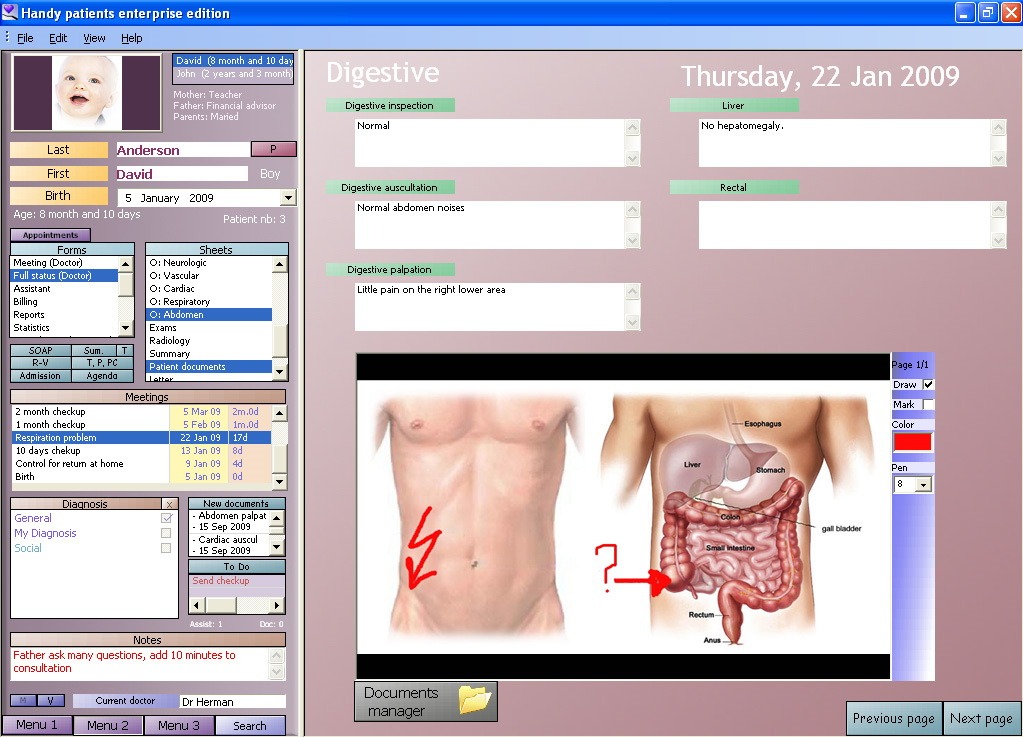
Healthcare administration continues to evolve with new technology innovations.
Cloud Computing
Cloud-based systems provide:
- Remote access
- Data security
- Scalability
Cloud platforms allow healthcare providers to access patient and administrative data from anywhere.
Artificial Intelligence and Automation
AI helps healthcare organizations:
- Automate workflows
- Improve decision-making
- Detect fraud
Automation improves efficiency.
Data Analytics
Analytics tools help organizations:
- Identify trends
- Improve operations
- Reduce costs
Healthcare organizations can make data-driven decisions.
Improving Efficiency Through Technology-Driven Solutions
Technology solutions such as managed care software help healthcare organizations achieve several operational improvements.
Streamlined Workflows
Automation reduces administrative burdens.
Faster Claims Processing
Claims are processed quickly and accurately.
Improved Compliance
Systems ensure compliance with regulations.
Better Communication
Integrated systems improve communication between providers and administrators.
The Future of Healthcare Administration Technology
Healthcare administration will continue to rely heavily on technology.
Future trends include:
- Artificial intelligence integration
- Predictive analytics
- Automation expansion
- Cloud-based systems
Healthcare organizations will increasingly adopt advanced technology solutions to remain competitive.
Why Managed Care Software Is Essential for Healthcare Success
Managed care software is no longer optional.
Healthcare organizations need reliable systems to manage:
- Claims
- Billing
- Enrollment
- Provider networks
Technology solutions such as comlink and platforms offered by providers like MCSI help organizations operate efficiently and provide better service.
Conclusion
Healthcare administration is becoming increasingly complex. Technology solutions such as managed care systems, automated platforms, and advanced healthcare software are essential for managing modern healthcare operations.
Providers like Managed Care Systems, Inc. demonstrate how technology-driven solutions can help healthcare organizations streamline workflows, reduce costs, and improve efficiency. Their managed care software, including comlink, supports PPOs, ACOs, self-funded employers, and stop-loss carriers by automating administrative processes and improving operational performance.
As healthcare continues to evolve, organizations that adopt advanced technology solutions will be better positioned to deliver high-quality care while maintaining efficient administrative operations.























Sign in to leave a comment.