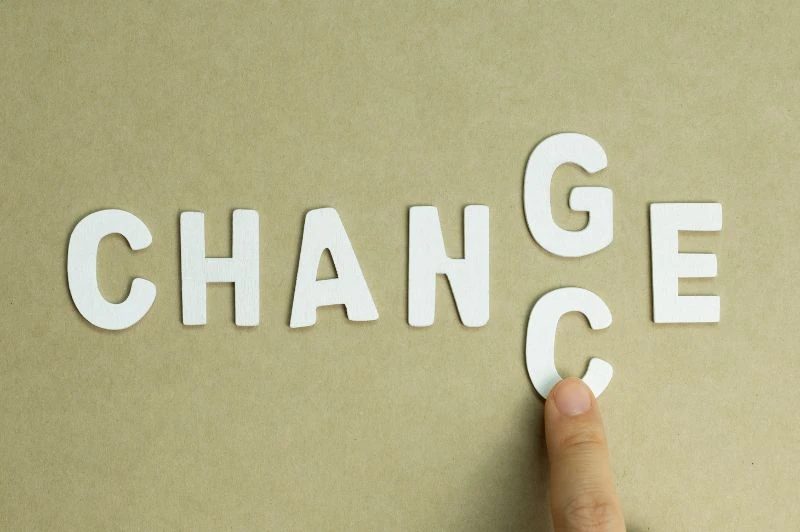

Major life transitions, such as moving to a new city, changing careers, experiencing loss, or getting married, are often significant turning points in a person's life. These events can bring about exciting opportunities, but they can also bring unexpected stress and challenges. Along with positive changes, there are often feelings of uncertainty and anxiety.
Addressing mental health during these transitions is crucial, as these changes can deeply impact emotional well-being. Ignoring mental health needs can lead to overwhelming stress, depression, and burnout, affecting not just the individual but their relationships and work life.
Navigating mental health during major transitions requires awareness and support. Recognizing and managing mental health challenges early can ensure a smoother adjustment and better long-term stability.
Insights on Major Life Transitions
Major life transitions are significant changes that disrupt an individual's daily routine, often involving personal, social, or professional shifts. These transitions can be positive and challenging, impacting mental and emotional well-being, and require adjustment to new situations or responsibilities.
Examples of Major Life Changes:
- Changing Careers: Transitioning to a new job or profession can cause stress because one must adapt to new environments, responsibilities, and expectations.
- Moving to a New City: Relocating requires adjustment to a new culture, community, and support systems, which can trigger feelings of isolation and anxiety.
- Marriage or Partnership: Entering a marriage or long-term relationship involves merging lives, adjusting expectations, and navigating new responsibilities, which can bring emotional and psychological strain.
- Having Children: Becoming a parent requires emotional, physical, and financial adjustments, which may lead to stress, anxiety, and changes in identity or priorities.
- Divorce or Breakup: The end of a relationship can lead to emotional distress, loss of identity, and difficulties in adjusting to new life dynamics.
- Retirement: Leaving a career can lead to a loss of purpose or identity, and the transition to a slower-paced lifestyle may bring challenges in maintaining social connections and mental well-being.
The Impact of Major Life Transitions on Mental Health
Major life transitions often bring significant emotional and psychological changes, making it essential to understand their impact on mental health. These transitions can create challenges, leaving individuals vulnerable to various mental health issues that need to be addressed for long-term well-being.
Common Mental Health Effects During Transitions
- Anxiety, stress, depression, and feelings of loss: Major life changes can lead to heightened anxiety, stress, and depression due to uncertainty and the emotional weight of adjustment, along with feelings of grief or loss of the familiar.
- Identity crises or changes in self-perception: A shift in circumstances can trigger confusion about personal identity, leading to existential crises or doubts about one's future.
- Impacts on self-esteem and confidence: Transitions, especially those involving major life changes like divorce or career shifts, can challenge one's sense of self-worth, lowering confidence and making it difficult to maintain a positive outlook.
Why Mental Health Is Often Affected
Mental health is often impacted during life transitions due to the stress and uncertainty that accompany major changes. Adapting to new circumstances can be psychologically taxing, as individuals navigate unfamiliar roles and environments. Additionally, hormonal or physiological changes, such as those experienced during pregnancy or menopause, can exacerbate mental health challenges by influencing mood and emotional stability.
Recognizing Signs of Mental Health Struggles
Recognizing the signs of mental health struggles during life transitions is crucial for early intervention. Being aware of physical, emotional, and behavioral symptoms allows individuals to address their needs promptly, preventing further distress and promoting healthier coping mechanisms.
1. Physical Symptoms
- Sleep disturbances, fatigue, headaches: Trouble sleeping or constant fatigue can indicate mental strain, leading to decreased energy levels, concentration, and even physical discomfort.
- Appetite changes, physical tension, or muscle pain: Stress may manifest in physical symptoms such as changes in appetite or persistent muscle tension, often indicating underlying anxiety or depression.
2. Emotional and Behavioral Symptoms
- Persistent feelings of sadness, irritability, or mood swings: Extended periods of sadness, irritability, or unpredictable mood swings can be a sign of depression or emotional exhaustion during transitions.
- Withdrawal from social activities or work: If someone begins to isolate themselves from friends, family, or work, it may signal that they’re struggling emotionally and unable to cope.
- Increased reliance on unhealthy coping mechanisms (e.g., substance abuse, overeating): Turning to substances or overeating can be an attempt to numb emotional distress, a sign that the person is not managing their emotions in healthy ways.
When to Seek Help
If these symptoms persist and start affecting daily life, it’s important to seek professional help. When emotional or physical changes go beyond normal stress or sadness and begin to impair functionality, consulting a mental health professional is necessary to gain support, develop coping strategies, and prevent long-term mental health issues.
Strategies for Managing Mental Health During Life Transitions
Managing mental health during life transitions is vital for emotional well-being. By adopting effective strategies, individuals can navigate challenging changes with resilience and maintain a balanced state of mind. These strategies, ranging from self-care to professional help, help alleviate stress and promote personal growth during times of change.
1. Building Emotional Resilience
- Identifying and managing stressors proactively: Recognizing sources of stress early allows individuals to address them before they are overwhelmed. Taking proactive steps like setting realistic expectations can minimize stress levels during life changes.
- Developing a positive mindset and coping skills: Maintaining an optimistic outlook and building coping strategies can help manage the emotional turmoil that often accompanies life transitions. Resilience is built through practice and focus on strengths.
- Practicing mindfulness and meditation to stay present: Mindfulness techniques can help reduce anxiety and stress by focusing on the present moment. Meditation and breathing exercises promote relaxation and mental clarity, essential for handling life’s challenges.
2. Prioritizing Self-Care
- The importance of exercise, diet, and sleep: Physical health significantly impacts mental health. Regular exercise, a balanced diet, and sufficient sleep are essential for managing stress and boosting emotional well-being during transitions.
- Taking breaks, setting boundaries, and nurturing hobbies: Permitting yourself to take breaks is crucial for recharging. Establishing healthy boundaries at work and home and engaging in enjoyable hobbies can provide a sense of control and relaxation.
- Staying connected with loved ones for emotional support: Maintaining close relationships with friends, family, or support groups provides a strong emotional safety net. Sharing feelings with trusted individuals can alleviate feelings of isolation and stress.
3. Seeking Professional Help
- Role of therapy (e.g., Cognitive Behavioral Therapy, talk therapy) in dealing with transitions: Therapy can provide valuable tools for processing emotions, identifying negative thinking patterns, and offering solutions to cope with changes.
- Medication options for managing severe symptoms (e.g., antidepressants, anti-anxiety medication): For more severe mental health challenges, medications like antidepressants or anti-anxiety drugs may be prescribed to help stabilize emotions during intense transitions.
- When to consider a mental health professional or counselor: If life transitions lead to persistent feelings of distress, dysfunction, or overwhelming anxiety, consulting a mental health professional is crucial to developing a treatment plan and ensuring emotional well-being.
4. Building a Support Network
- Finding emotional support through friends, family, or support groups: Leaning on trusted friends, and family members, or joining support groups can provide a sense of community and reduce feelings of isolation.
- The role of peer support during significant life changes: Connecting with others who have gone through similar experiences can offer comfort and shared wisdom. Peer support can be empowering, creating a sense of understanding and empathy during transitions.
Practical Tools and Resources
Practical tools and resources can significantly improve mental health during life transitions. By incorporating simple strategies like journaling, mindfulness, and stress management techniques, individuals can navigate emotional challenges more effectively and promote long-term well-being.
1. Journaling and Reflection
Writing in a journal can be a powerful way to process emotions, gain clarity, and track personal growth. It allows individuals to express thoughts, identify patterns in their emotions, and reflect on their experiences. Journaling also helps manage anxiety and stress by providing a safe space to release pent-up feelings and thoughts.
2. Mindfulness and Meditation
Mindfulness is effective in reducing stress and increasing mental clarity by encouraging a focus on the present moment. Simple mindfulness exercises, like deep breathing or body scans, can help calm the mind, improve emotional regulation, and alleviate the overwhelm often felt during major transitions. Practicing mindfulness regularly can enhance self-awareness and emotional resilience.
3. Stress Management Techniques
Incorporating stress management techniques like breathing exercises, yoga, and progressive muscle relaxation can help lower anxiety and promote relaxation. These practices enable individuals to center themselves and reduce physical tension. Additionally, effective time management strategies—such as setting boundaries, prioritizing tasks, and taking breaks—can help prevent overwhelm during transitions.
The Role of Primary Care Providers in Mental Health Management
Primary care providers play a crucial role in supporting mental health during major life transitions by addressing both physical and mental well-being, ensuring comprehensive care, and early intervention when necessary.
- The Importance of Mental Health Screening During Transitions: Primary care physicians should be aware of mental health symptoms during transitions, providing early detection and intervention. Regular screenings for depression, anxiety, and stress during check-ups help identify issues early, ensuring timely treatment and preventing further complications.
- Integrating Mental and Physical Health: Physical health greatly impacts mental well-being, and vice versa. Lifestyle changes like regular exercise, balanced nutrition, and adequate sleep are essential for improving both physical and mental health, helping individuals better manage stress and emotional challenges during transitions.
Navigating Mental Health Support for Specific Transitions
Navigating mental health support during specific life transitions requires tailored strategies to address the unique emotional and psychological challenges that each transition brings. Whether it’s starting a new job, becoming a parent, dealing with a breakup, or entering retirement, understanding these challenges is essential for maintaining mental well-being.
1. Starting a New Job or Career
Starting a new job or career can be overwhelming due to the stress of adapting to new environments, expectations, and the learning curve involved. Balancing work-life stressors while maintaining mental health requires setting realistic goals, practicing self-care, and seeking support when needed to prevent burnout.
2. Parenthood and Parenthood Transitions
New parents often face significant mental health challenges, including postpartum depression and anxiety, as they adjust to the responsibilities of caring for a newborn. Balancing personal time and self-care with the demands of parenthood is critical to avoid emotional exhaustion and ensure a healthier adjustment to this life transition.
3. Dealing with Divorce or Breakup
The emotional and psychological impact of separation can be profound, often leading to grief, loss, and identity crises. Rebuilding personal identity and mental strength after a divorce or breakup involves seeking emotional support, engaging in self-care, and allowing time for healing and rediscovery.
4. Retirement
Retirement can bring a sense of identity loss, as many individuals define themselves through their careers. Adjusting to this transition involves finding new purposes, pursuing hobbies or volunteer work, and maintaining social connections to promote emotional stability and fulfillment in life after work.
Final Thoughts
Managing mental health during major life transitions is essential for navigating these changes smoothly. Being proactive, seeking support when needed, and prioritizing mental well-being can help reduce stress and prevent emotional overwhelm. Remember, it’s okay to ask for help, and maintaining mental wellness should remain a focus long after the transition has passed for continued growth and resilience.


























Sign in to leave a comment.