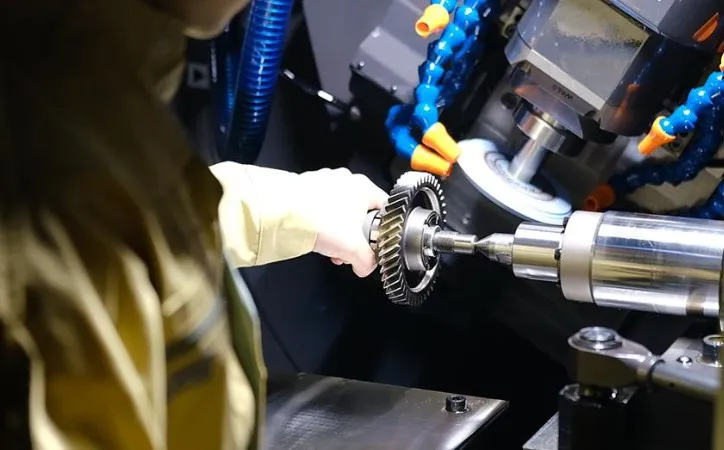

Precision gear tools are essential for producing high-quality gears used in industries such as automotive, aerospace, heavy machinery, robotics, and industrial equipment. These tools must meet strict standards for accuracy, durability, and consistency because even a small variation can affect the performance of the finished gear. As manufacturing technology continues to advance, the demand for precision gear tools and custom milling cutters has increased significantly to meet specialized machining requirements.
Unlike standard cutting tools, custom milling cutters are designed for specific applications, materials, and gear profiles. They help manufacturers achieve tighter tolerances, improved surface finishes, and higher production efficiency. Understanding how precision gear tools are manufactured provides valuable insight into the engineering and quality control involved in producing reliable cutting solutions.
What Are Precision Gear Tools?
Precision gear tools are specialized cutting tools used to manufacture different types of gears with accurate tooth profiles and dimensions. These tools are designed to withstand high cutting forces while maintaining their cutting performance over long production cycles.
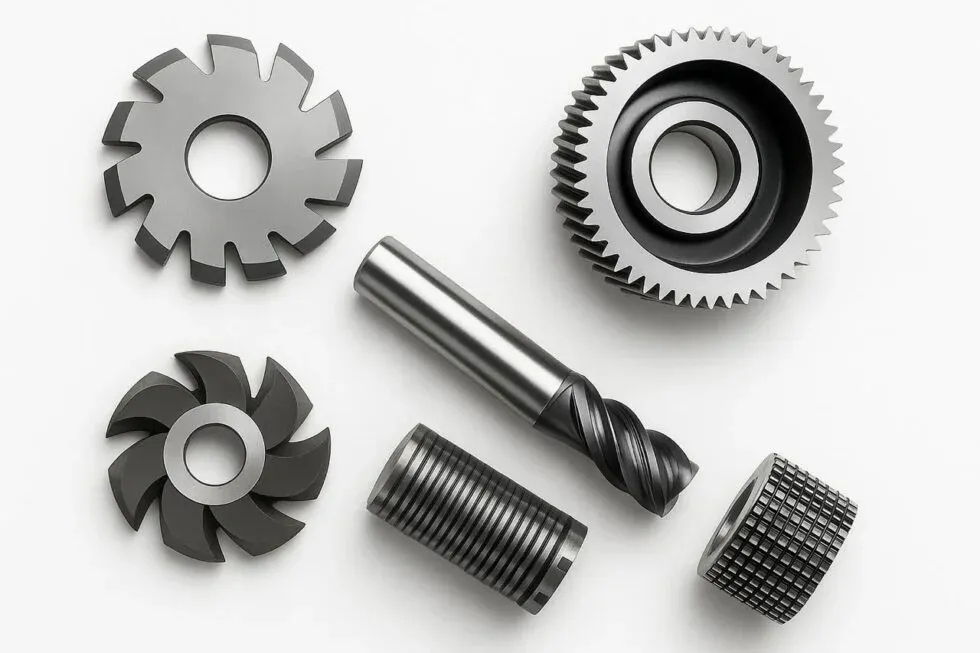
Common precision gear tools include:
- Gear hobs
- Involute gear cutter
- Milling cutters
- Broaches
- Chamfer cutters
- Spline cutting tools
Among these, custom milling cutters are widely used for applications requiring unique gear profiles, specialized materials, or non-standard machining operations.
Why Precision Manufacturing Matters
The quality of a gear tool directly influences the accuracy of the finished gear. Poorly manufactured tools can result in incorrect tooth geometry, rough surface finishes, and increased machine downtime.
Precision manufacturing helps ensure:
- Accurate gear profiles
- Consistent dimensions
- Better surface quality
- Longer tool life
- Reduced production waste
- Improved machining efficiency
These benefits make precision manufacturing an essential part of modern gear production.
Step 1: Design and Engineering
Every precision gear tool begins with a detailed design process.
Engineers use advanced CAD (Computer-Aided Design) software to create the tool geometry based on the customer's machining requirements.
During this stage, several factors are considered:
- Gear specifications
- Material to be machined
- Machine compatibility
- Cutting speed
- Feed rate
- Tool dimensions
- Required tolerances
For custom milling cutters, the design process is even more detailed because every tool is developed for a specific application.
Step 2: Material Selection
Selecting the right material is one of the most important steps in manufacturing precision gear tools.
Common materials include:
High-Speed Steel (HSS)
HSS provides excellent toughness and is suitable for many general-purpose cutting applications.
Carbide
Carbide tools offer higher hardness, better wear resistance, and faster cutting speeds than HSS.
Powder Metallurgy Steel
Powder metallurgy combines strength, durability, and wear resistance, making it suitable for demanding machining operations.
The choice of material depends on factors such as workpiece material, production volume, and cutting conditions.
Step 3: Precision Machining
Once the raw material is selected, the tool blank is machined using advanced CNC machines.
This stage includes:
- Turning
- Milling
- Grinding
- Drilling
Modern CNC equipment ensures every dimension matches the original design with extremely high accuracy.
For custom milling cutters, CNC machining allows manufacturers to create unique cutting profiles that standard tools cannot achieve.
Step 4: Heat Treatment
Heat treatment improves the hardness and strength of the cutting tool.
The process typically includes:
- Hardening
- Tempering
- Stress relieving
Proper heat treatment increases resistance to wear while maintaining the toughness needed during machining operations.
Without correct heat treatment, even accurately machined tools may fail prematurely.
Step 5: Precision Grinding
Grinding is one of the most critical stages in manufacturing precision gear tools.
Specialized grinding machines create:
- Cutting edges
- Tooth profiles
- Relief angles
- Surface finishes
Precision grinding ensures every cutting edge meets strict dimensional requirements.
Even microscopic errors during grinding can affect gear quality.
Step 6: Tool Coating
Many precision gear tools receive protective coatings to improve performance.
Common coatings include:
- Titanium Nitride (TiN)
- Titanium Aluminum Nitride (TiAlN)
- Chromium Nitride (CrN)
- Diamond-Like Carbon (DLC)
These coatings provide several advantages:
- Reduced friction
- Better heat resistance
- Longer tool life
- Improved cutting speeds
- Lower wear rates
Coatings are especially valuable for custom milling cutters used in high-speed production environments.
Step 7: Quality Inspection
Every precision gear tool undergoes strict quality inspection before reaching customers.
Inspection may include:
- Dimensional measurement
- Profile verification
- Surface finish analysis
- Hardness testing
- Runout inspection
- Visual examination
Modern manufacturers use technologies such as Coordinate Measuring Machines (CMMs), optical inspection systems, and laser measuring equipment to verify tool accuracy.
Quality inspection ensures every tool meets the required specifications.
Step 8: Performance Testing
Before shipment, many manufacturers test tools under actual machining conditions.
Performance testing evaluates:
- Cutting accuracy
- Tool wear
- Chip formation
- Heat generation
- Surface finish
This step confirms that the tool performs as expected in real production environments.
The Importance of Custom Milling Cutters
Standard milling cutters are suitable for many applications, but some manufacturing projects require specialized tooling.
Custom milling cutters are designed to meet unique production requirements such as:
- Special gear profiles
- Complex tooth geometry
- High-speed machining
- Difficult materials
- Non-standard machine setups
Because they are developed for specific applications, custom tools often improve productivity and machining accuracy.
Industries That Use Precision Gear Tools
Precision gear tools support manufacturing across many industries.
These include:
- Automotive
- Aerospace
- Construction equipment
- Agricultural machinery
- Mining
- Wind energy
- Robotics
- Industrial automation
Each industry has different machining requirements, making custom tooling an important part of modern manufacturing.
Benefits of High-Quality Precision Gear Tools
Investing in well-manufactured gear tools offers several long-term advantages.
These include:
- Higher machining accuracy
- Longer tool life
- Better surface finishes
- Reduced downtime
- Lower maintenance costs
- Improved production efficiency
- Greater consistency across production batches
High-quality custom milling cutters also help manufacturers reduce scrap rates and improve overall process reliability.
Choosing the Right Tool Manufacturer
Selecting a reliable manufacturer is just as important as selecting the right tool.
When evaluating suppliers, consider:
- Manufacturing experience
- Engineering capabilities
- Material quality
- CNC machining technology
- Inspection processes
- Custom design support
- Technical assistance
- Delivery reliability
Working with an experienced manufacturer ensures better product quality and long-term production support.
Future Trends in Precision Gear Tool Manufacturing
Technology continues to improve how gear tools are designed and produced.
Emerging trends include:
- AI-assisted tool design
- Advanced CNC machining
- Smart manufacturing
- Improved coating technologies
- Digital quality inspection
- Sustainable production methods
These innovations help manufacturers produce more accurate and efficient cutting tools while reducing waste and improving productivity.
Conclusion
The manufacturing process of precision gear tools involves careful planning, advanced engineering, and strict quality control at every stage. From design and material selection to CNC machining, heat treatment, grinding, coating, and inspection, every step contributes to the final performance of the tool.
As industries demand greater precision and efficiency, custom milling cutters continue to play an important role in specialized machining applications. Their ability to meet unique production requirements makes them valuable for manufacturers seeking improved accuracy, longer tool life, and consistent machining results. Understanding the manufacturing process behind these tools highlights the expertise and technology required to produce reliable gear-cutting solutions for today's precision engineering industries.



















Sign in to leave a comment.