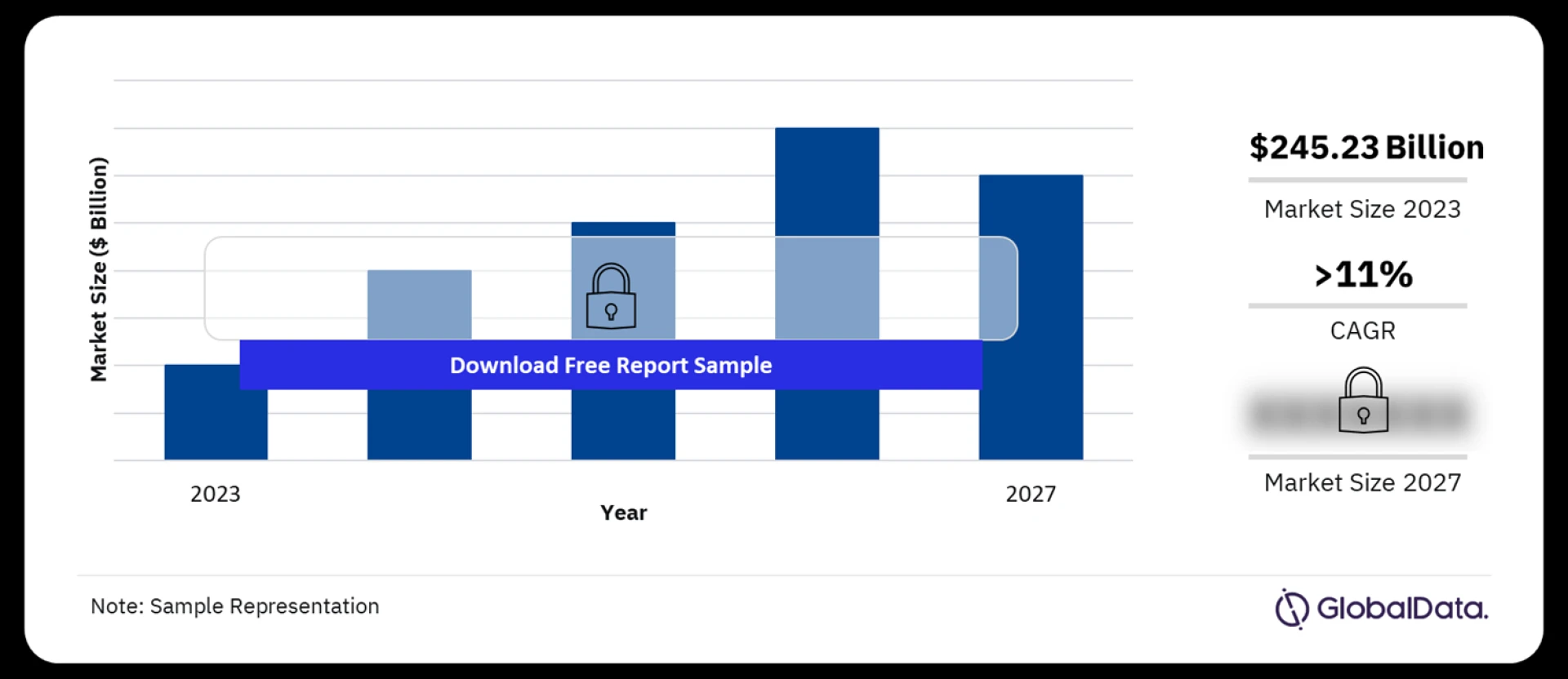

The global oilseeds market, valued at over USD 240 billion in 2022, is a vital cog in the global food and industrial sectors. It caters to the ever-growing demand for vegetable oils for food consumption, biofuel production, and various industrial applications. This analysis delves into the key trends shaping the market, exploring their impact and offering predictions for the future of global oilseeds.
To gain more information on the oilseeds market forecast, download a free report sample
Market Drivers and Growth Projections:
Several factors are propelling the global oilseeds market forward:
Population Growth and Dietary Shifts: A rising global population, especially in developing countries, leads to increased demand for vegetable oils for food preparation. Additionally, a shift towards diets with higher fat content in these regions further fuels oil demand.Biofuel Production: The use of vegetable oils like biodiesel derived from soybeans and palm oil as substitutes for fossil fuels is escalating. Government policies promoting biofuel production and growing concerns about climate change are driving this trend.Industrial Applications: Vegetable oils hold significant value in various industrial applications, including lubricants, paints, and cosmetics. Growing demand from these sectors contributes to the overall market growth.Technological Advancements: Advancements in agricultural technology, such as improved seed varieties, precision farming practices, and efficient processing methods, are expected to boost oilseed production and optimize resource utilization.Based on these drivers, market research firms predict a promising future for the global oilseeds market. Here are some key forecasts:
Market Size and Growth Rate: Market research firm Mordor Intelligence projects the global oilseeds market to reach USD 382.47 billion by 2031, reflecting a Compound Annual Growth Rate (CAGR) of 4.1% from 2022 to 2031.SkyQuest Market Research predicts a more optimistic outlook, with a CAGR of 6.77%, reaching a market size of USD 436.19 billion by 2031.Emerging Trends and Their Impact:
Several key trends will significantly impact the future of the global oilseeds market:
Sustainability Concerns: Sustainability is becoming a central consideration in the oilseeds market. Consumers are increasingly demanding ethically sourced oilseeds produced with minimal environmental impact. This trend is driving the adoption of sustainable farming practices, such as reduced reliance on pesticides and fertilizers, and the use of cover crops to improve soil health.Focus on Traceability and Transparency: Consumers are seeking greater transparency regarding the origin and production practices of the oilseeds used in the food products they consume. This necessitates robust traceability systems from farm to table, ensuring ethical sourcing and sustainable practices throughout the supply chain.Demand for Non-GMO Oilseeds: The demand for non-genetically modified (non-GMO) oilseeds is on the rise, particularly in developed markets. Consumers perceive non-GMO options to be safer and more natural. This trend is putting pressure on producers to cater to this growing segment.Rise of Plant-Based Alternatives: The popularity of plant-based diets is increasing, leading to a potential rise in demand for specific oilseeds used in producing milk and meat alternatives, such as soybeans and sunflower seeds.Technological Innovation: Technological advancements, such as gene editing and artificial intelligence, are expected to play a crucial role in the future of the oilseeds market. These advancements could lead to the development of more efficient and productive oilseed varieties, improved disease resistance, and optimized processing methods.Regional Dynamics and Growth Potential:
The global oilseeds market is not monolithic, with distinct dynamics and growth prospects across different regions:
North America: The United States is expected to remain a major producer and exporter of soybeans, with biofuel production policies influencing market dynamics. However, competition from South America and weather fluctuations could pose challenges.South America: Brazil and Argentina are anticipated to witness significant growth in oilseed production, driven by vast agricultural land, favorable weather conditions, and government support for exports. However, concerns about deforestation linked to oilseed production are a critical issue to address.Asia-Pacific: China and India are expected to remain the largest consumers of vegetable oils, driven by their large populations and rising disposable incomes. However, significant dependence on imports and limited domestic production capacity remain challenges.Europe: The European Union is expected to focus on rapeseed (canola) production for biofuel and vegetable oil. There will likely be continued emphasis on sustainability practices and ethically sourced oilseeds.Africa: The African oilseeds market holds immense potential due to favorable conditions for certain crops and rising demand within the continent. However, overcoming infrastructure limitations, political instability in some regions, and a lack of investment in technology and research are crucial steps towards large-scale production.


























Sign in to leave a comment.