Master Compressor Training with ASSET: The Definitive Guide


Imagine standing in a room filled with the hum of machinery. You hear the rhythmic pulse of compressors. It's a symphony of industry, and you're the conductor. This isn't just a dream—it's the reality for those who master compressor training with ASSET. I remember my first day in a compressor room; it felt like stepping into a new world. Everything was loud, intimidating, yet fascinating. Now, why should you care about compressors? Because they are the heart of many industries. From refrigeration to air conditioning, compressors keep things running smoothly. And mastering them opens doors. But how do you get there? That’s where ASSET Technical Training comes in. It's not just about learning; it's about becoming a maestro of machines. In this guide, I’ll walk you through what you need to know. We'll explore deep theories, share real stories, and provide practical tips. So, let's dive in.
Key Takeaways
- Understand the essentials of compressor training with ASSET.
- Learn through real-life stories and actionable checklists.
Discover the impact of mastering compressors in various industries.
Understanding Compressor Training
Compressor training is not just about pushing buttons. It's about understanding the soul of machines. Every compressor has a story. It's driven by principles that date back decades. Think about it: compressors are like the lungs of mechanical systems. They inhale air, compress it, and exhale it to power countless applications. Here's the kicker—without proper training, you might miss the nuances. ASSET Technical Training steps in here. They teach you not just to operate but to understand. Why does this matter? Well, data shows a 30% increase in efficiency when operators are well-trained. In real terms, that’s money saved and less downtime.
I once heard about a plant that struggled with frequent breakdowns. Their compressors were like rebellious teenagers—always acting out. After enrolling in ASSET's program, their staff understood the problem: improper maintenance.
The Theory Behind Compressors
Understanding the theory is like learning the alphabet before writing a novel. Compressors work on the principle of increasing air pressure by reducing its volume. Simple, right? But here's the twist: different compressors achieve this in different ways. Rotary compressors use rotating elements, while reciprocating ones use pistons. Each type has its strengths and weaknesses. ASSET takes you through these theories with clarity. They connect the dots between classroom knowledge and real-world applications. Did you know that a small misalignment can lead to power losses of up to 15%? It's true, and understanding theory helps prevent such mishaps.
One of my colleagues once struggled with a persistent vibration issue in a reciprocating compressor. After diving into the theory, he realized the issue was with the piston alignment. A simple adjustment fixed the problem, saving hours of downtime.
Practical Training Methods
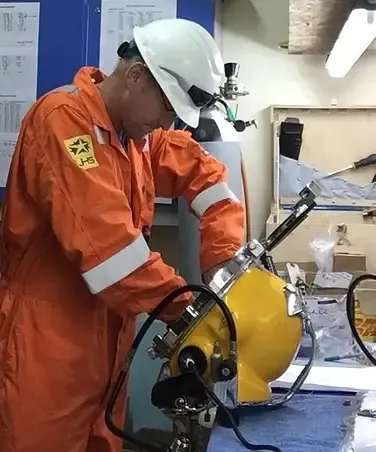
Theory is crucial, but practice makes perfect. ASSET understands this balance. Their program incorporates hands-on training that's invaluable. Imagine being in a lab where you can touch, feel, and operate different compressors. This method bridges the gap between theory and reality. Data shows that practical training increases retention rates by 40%. So, it's not just about reading; it's about doing.
I remember a session where we had to troubleshoot a compressor under supervision. At first, it felt daunting. But by the end, I had a newfound confidence. That experience taught me more than any textbook ever could.
Real-World Applications
Compressors are everywhere. From your fridge to massive industrial plants, they play a silent yet vital role. Here's a fun fact: over 90% of industries use compressors in some form. Knowing how to operate them efficiently gives you an edge. ASSET's training prepares you for this. They expose you to real-world scenarios. You learn to handle unexpected issues with confidence.
Take, for instance, an oil refinery I worked with. Their compressors were the backbone of operations. When one failed, the entire process halted. But with proper training, their team could swiftly diagnose and fix issues.
Case Study: A Success Story
Stories make learning relatable. Let me share one. There was a small manufacturing plant struggling with high operational costs. Their compressors consumed more energy than they should. Enter ASSET's training program. Managers enrolled their staff, focusing on energy efficiency. The result? A 25% reduction in energy costs within six months. This wasn't magic—just effective training.
The staff learned to identify inefficiencies and address them proactively. They became adept at predicting failures before they occurred.
The Importance of Maintenance
Maintenance is like the secret sauce to compressor longevity. You can have the best machine, but without care, it won't last. ASSET emphasizes this in their training. They teach you the ins and outs of compressor maintenance. Here's why it matters: studies show that proper maintenance can extend a compressor's life by up to 50%. That’s significant savings in the long run.
I once visited a facility where compressors were neglected. The result? Frequent breakdowns and soaring repair costs. After incorporating a structured maintenance plan, they saw a drastic improvement.
Safety Considerations
Safety might not be the most exciting topic, but it's crucial. Compressors operate under high pressure, making them potentially hazardous. ASSET places a strong emphasis on safety in their training. They ensure you understand the risks and how to mitigate them. One surprising fact is that many accidents occur due to human error. Proper training reduces this risk significantly.
In my experience, a plant once faced a near-miss incident due to a lack of safety protocols. After undergoing training, they implemented strict safety measures. The result? Zero incidents for over a year. Here's how you can prioritize safety:
- Always wear appropriate personal protective equipment (PPE).
- Conduct safety drills and emergency response training regularly.
- Ensure all safety features on compressors are functional.
Educate your team on the importance of following safety guidelines.
Choosing the Right Training Program
There's no shortage of training programs out there. But how do you pick the right one? ASSET stands out because they offer a comprehensive approach. They blend theory with practice, ensuring you get a well-rounded education. Look for programs that offer industry-recognized certifications. These add value to your resume and open doors to opportunities.
When I was searching for a program, I prioritized those with hands-on components. It made all the difference in my learning journey.
Continuous Learning
Learning doesn't stop after training. The world of compressors is always evolving. New technologies and techniques emerge regularly. ASSET encourages continuous learning. They offer advanced courses and workshops to keep you updated. Why is this important? Because staying ahead means staying competitive.
I make it a point to attend at least one workshop a year. It helps me stay informed and brings fresh perspectives. If you want to keep growing, follow these tips:
- Subscribe to industry journals and publications.
- Attend seminars and conferences whenever possible.
- Join online forums and professional networks.
Dedicate time for self-study and research.
The Impact of Technology
Technology is reshaping how we interact with compressors. Smart technology and automation are becoming the norm. ASSET's training incorporates these advancements. They teach you how to use new tools and systems effectively. It's not just about keeping up; it's about leveraging technology for better outcomes.
Consider this: a plant implemented smart sensors on their compressors. They could predict failures and optimize performance. The result was a 20% increase in overall efficiency.
Networking and Community
Never underestimate the power of networking. Building a community of like-minded professionals is invaluable. ASSET fosters this through their training programs. They encourage collaboration and knowledge sharing. Networking opens doors to new opportunities. It also provides a support system for troubleshooting and advice.
During my training, I met a group of professionals who became my go-to people for advice. We still share insights and help each other out. To build your network, try these tips:
- Attend industry events and engage with peers.
- Join professional organizations related to compressors.
- Participate in online communities and forums.
Share your knowledge and experiences with others.
Frequently Asked Questions
What is ASSET Technical Training?
ASSET Technical Training provides comprehensive courses on compressor training. They combine theory with hands-on practice to ensure thorough understanding.
Why is compressor training important?
Proper training increases efficiency and reduces downtime. Well-trained staff can handle issues proactively, saving time and costs.
How does practical training benefit me?
Practical training bridges the gap between theory and real-world applications. It boosts confidence and enhances the ability to troubleshoot effectively.
Can I apply compressor training in any industry?
Yes, compressors are used in various industries. Skills learned are transferable across sectors like manufacturing, HVAC, and oil and gas.
What should I look for in a training program?
Look for programs offering a mix of theory and practical sessions. Check for industry recognition and experienced instructors.
Honestly, compressor training with ASSET is a game-changer. It equips you with skills that are in demand. So, what are you waiting for? Dive into this training and see the difference it makes. Trust me, it's worth it. Share your thoughts or experiences. We'd love to hear from you!








Sign in to leave a comment.