
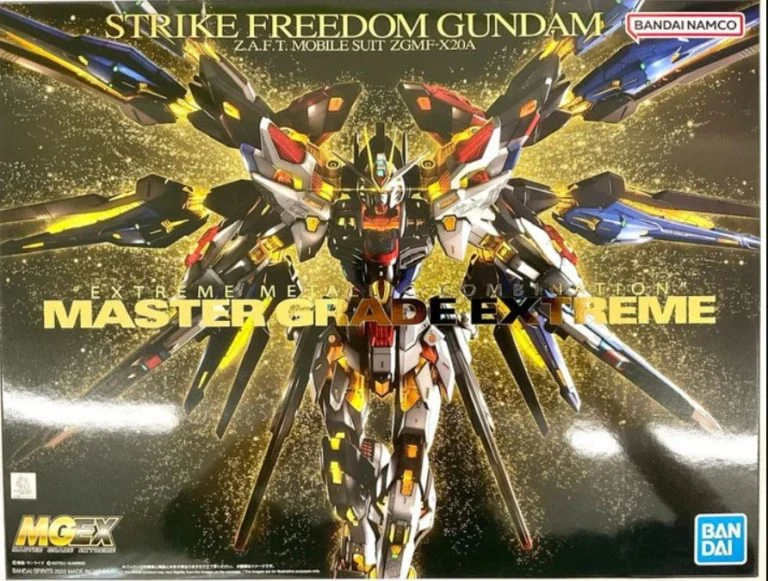
The world of Gundam model kits, or Gunpla (Gundam plastic models), is vast and varied, offering enthusiasts and hobbyists a plethora of options to explore. Among the various grades and scales of these kits, the Master Grade (MG) line stands out for its intricate details, superior articulation, and the rewarding building experience it provides. Introduced by Bandai in 1995, the Master Grade series has become a staple for serious model builders, striking a balance between complexity and accessibility.
The Evolution of Master Grade
The Master Grade line was launched with the 1/100 scale RX-78-2 Gundam, a homage to the original mobile suit from the 1979 anime "Mobile Suit Gundam." This first MG kit set the standard for what would become a beloved series, featuring enhanced articulation, detailed inner frames, and extensive decal options. Over the years, Bandai has continued to innovate, incorporating new technologies and materials to improve the build experience and the final product\'s aesthetics.
Early Days and Technological Advances
The early MG kits, while groundbreaking at the time, are quite basic compared to today\'s standards. However, they laid the groundwork for future advancements. The introduction of polycaps, parts that allow for better joint movement, was a significant development.
Modern Innovations
In recent years, the Master Grade line has seen the introduction of newer technologies such as the "MG EX" and "MG Ver. Ka" series. The MG EX kits, like the MGEX Unicorn Gundam, incorporate LED lighting and advanced engineering for even more dynamic poses and display options. The "Ver. Ka" line, designed by renowned mecha designer Hajime Katoki, offers reimagined versions of classic mobile suits with enhanced details and unique design elements.
Building a Master Grade Kit
Building a Master Grade Gundam kit is a multi-faceted process that involves several stages: unboxing, assembly, detailing, and final touches. Each stage requires patience, precision, and a keen eye for detail.
Unboxing and Preparation
Upon opening a Master Grade kit, builders are greeted with a myriad of plastic runners, each housing various parts of the mobile suit. The first step is to organize these runners and identify the pieces needed for each part of the build, typically following the comprehensive instruction manual included in the kit. Tools such as side cutters, hobby knives, and sandpaper are essential for cleanly removing parts from the runners and preparing them for assembly.
Assembly
The assembly process is where the kit truly starts to come to life. Builders follow detailed instructions to construct the inner frame, which provides the skeleton and articulation for the model. Once the inner frame is complete, the outer armor pieces are added, giving the Gundam its iconic look. This stage can be time-consuming and requires careful attention to ensure all parts fit together correctly and joints move smoothly.
Detailing
Detailing is where builders can add their personal touch to the model. This can involve panel lining, applying decals, and painting. Panel lining enhances the model\'s appearance by highlighting the intricate details and giving it a more realistic look. Decals add additional markings and insignias, often replicating those seen in the anime series. Painting, while optional, can significantly elevate the model\'s aesthetics, allowing builders to customize colors and add weathering effects for a battle-worn appearance.
Final Touches
The final stage involves assembling all the completed sections of the Gundam and applying any remaining decals or touch-ups. Builders may also pose their model in various dynamic stances, thanks to the high articulation of MG kits, and place it on a display stand. The end result is a highly detailed and articulated model that serves as both a display piece and a testament to the builder\'s skill and dedication.
Popular Master Grade Kits
Over the years, several Master Grade kits have stood out due to their design, complexity, and popularity within the Gunpla community. Here are a few notable examples:
RX-78-2 Gundam Ver. 3.0
An updated version of the original MG kit, the RX-78-2 Gundam Ver. 3.0 features improved articulation, more detailed parts, and a more accurate representation of the iconic mobile suit. It remains a favorite among both new and experienced builders.
Wing Gundam Zero Custom
From the "Gundam Wing: Endless Waltz" OVA, the Wing Gundam Zero Custom is known for its angelic wings and striking design. The MG kit captures these elements beautifully, offering a highly poseable and visually stunning model.
Sinanju Ver. Ka
Designed by Hajime Katoki, the Sinanju Ver. Ka is a masterpiece of engineering and aesthetics. Its elaborate armor and intricate details make it a standout in any collection.
Sazabi Ver. Ka
Another Katoki-designed kit, the Sazabi Ver. Ka is massive and imposing, featuring a complex inner frame and a wealth of detailing. It\'s a challenging build that rewards with an impressive final product.
Tips for Building Master Grade Kits
To make the most of the Master Grade building experience, here are some tips and tricks:
Take Your Time: Rushing through the build can lead to mistakes. Enjoy the process and take breaks if needed.
Use Proper Tools: Invest in quality tools like side cutters, hobby knives, and sanding sticks. These will help achieve cleaner cuts and better assembly.
Follow Instructions Carefully: The instruction manual is your best friend. Follow it step by step to avoid errors.
Practice Panel Lining: Panel lining can enhance the look of your model significantly. Practice on spare parts if you\'re new to it.
Experiment with Posing: Master Grade kits are highly articulated. Experiment with different poses to find the most dynamic display options.
Conclusion
Master Grade Gundam kits offer a perfect blend of complexity and accessibility, making them a favorite among Gunpla enthusiasts. Whether you\'re a seasoned builder or new to the hobby, these kits provide a rewarding experience and a stunning final product. With a rich history and continuous innovation, the Master Grade line remains a cornerstone of the Gunpla world, inviting builders to immerse themselves in the intricate and fascinating universe of Gundam.



























Sign in to leave a comment.