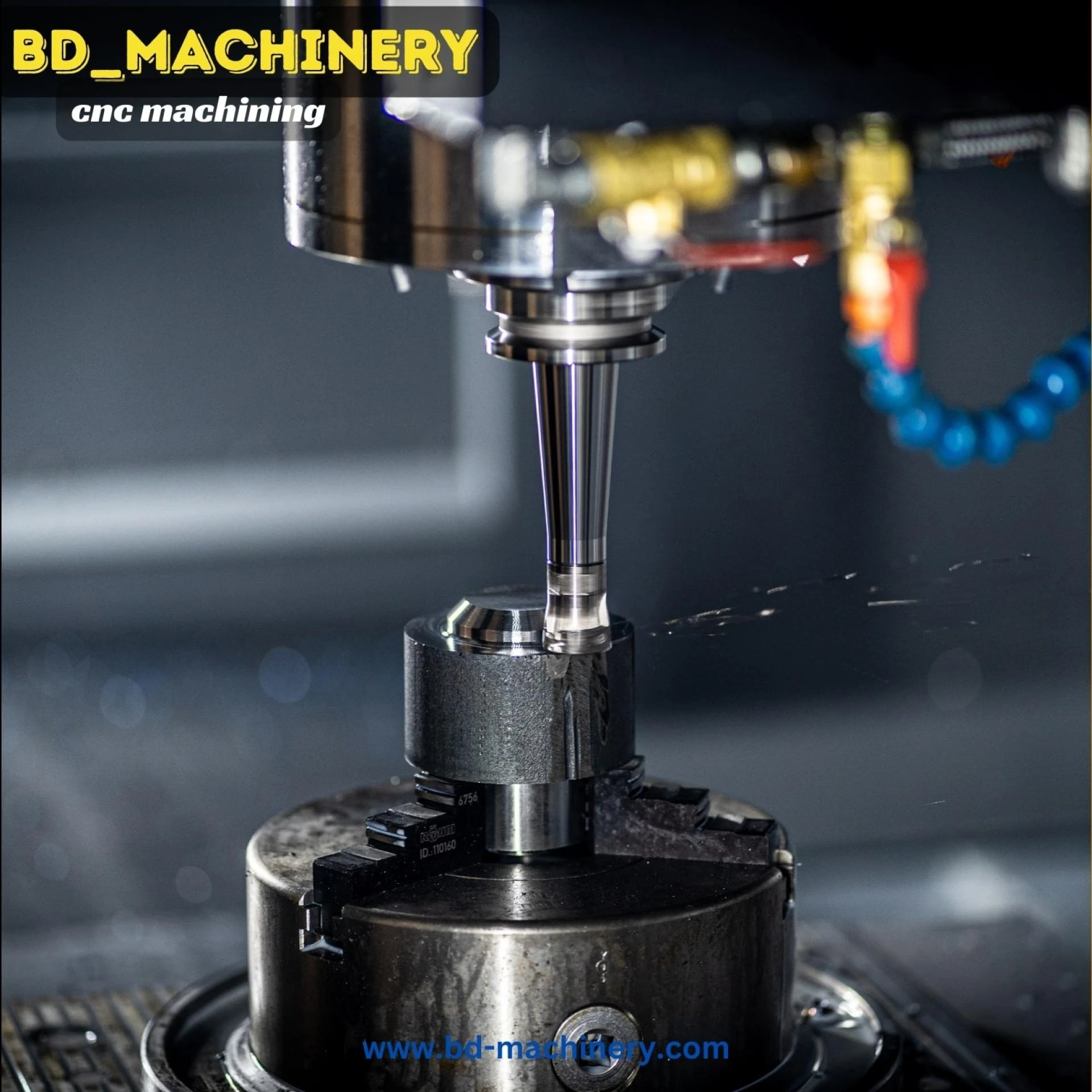

Computer Numerical Control (CNC) machining is a sophisticated manufacturing process that employs computer technology to control machine tools, enabling the precise production of complex parts. This guide will delve into the intricacies of CNC machining, exploring its principles, advantages, types, and applications, while providing practical insights for those looking to harness its capabilities.
Understanding CNC Machining
CNC machining transforms digital designs into physical objects through subtractive manufacturing, where material is removed from a workpiece to create the desired shape. The process begins with a CAD (Computer-Aided Design) model, which is converted into a CNC program using CAM (Computer-Aided Manufacturing) software. This program directs the machine’s movements, ensuring precise cuts and shaping.
Key Components of CNC Machining
- Machine Tools: Common CNC machines include lathes, mills, routers, and grinders. Each machine type is designed for specific tasks, such as turning, milling, or drilling.
- Control Unit: The CNC control unit interprets the CAM program and sends instructions to the machine’s motors and drives.
- Workpiece and Fixturing: The raw material, or workpiece, is secured in place using fixtures or clamps to ensure stability during machining.
- Cutting Tools: Tools such as end mills, drills, and lathes are used to cut and shape the material.
Types of CNC Machines
- CNC Mills: Used for cutting and drilling operations, capable of moving the workpiece along multiple axes.
- CNC Lathes: Rotate the workpiece against a cutting tool, ideal for cylindrical parts.
- CNC Routers: Similar to mills but generally used for softer materials like wood, plastics, and foam.
- CNC Plasma Cutters: Use a high-temperature plasma torch to cut through metals.
- CNC Laser Cutters: Employ a laser beam for cutting, engraving, and etching various materials with high precision.
Advantages of CNC Machining
- Precision and Accuracy: CNC machines can produce parts with extremely tight tolerances, essential for high-performance applications.
- Repeatability: Once a design is programmed, CNC machines can reproduce the same part with consistent quality.
- Efficiency: Automation reduces manual intervention, increasing production speed and reducing the potential for human error.
- Versatility: Capable of machining a wide range of materials, from metals and plastics to composites and wood.
CNC Machining Process
- Design and Programming: Create a CAD model of the part. Convert the CAD design into a CNC program using CAM software, specifying tool paths, speeds, and feeds.
- Machine Setup: Secure the workpiece on the machine bed. Install the appropriate cutting tools.
- Machining: Run the CNC program, which directs the machine to perform the necessary operations, such as cutting, drilling, or milling.
- Finishing: Depending on the requirements, post-machining processes like deburring, sanding, or polishing may be performed to achieve the final finish.
Applications of CNC Machining
- Aerospace: Producing complex, high-precision components like turbine blades and aircraft frames.
- Automotive: Manufacturing engine parts, transmission components, and custom car parts.
- Medical: Creating surgical instruments, implants, and prosthetic devices with precise dimensions.
- Electronics: Fabricating enclosures, connectors, and intricate circuit board components.
Best Practices for CNC Machining
- Material Selection: Choose materials suitable for the intended application, considering factors like strength, machinability, and thermal properties.
- Tool Selection and Maintenance: Use high-quality cutting tools appropriate for the material and keep them well-maintained to ensure optimal performance.
- Parameter Optimization: Adjust speeds, feeds, and depths of cut to balance productivity, tool life, and surface finish.
- Quality Control: Implement rigorous inspection processes to ensure parts meet specifications, using tools like CMM (Coordinate Measuring Machines) and optical scanners.
Conclusion
CNC machining stands at the forefront of modern manufacturing, enabling the production of highly accurate and complex parts across various industries. By understanding its principles, types, advantages, and best practices, manufacturers can leverage CNC machining technology to enhance efficiency, precision, and innovation in their production processes.


























Sign in to leave a comment.