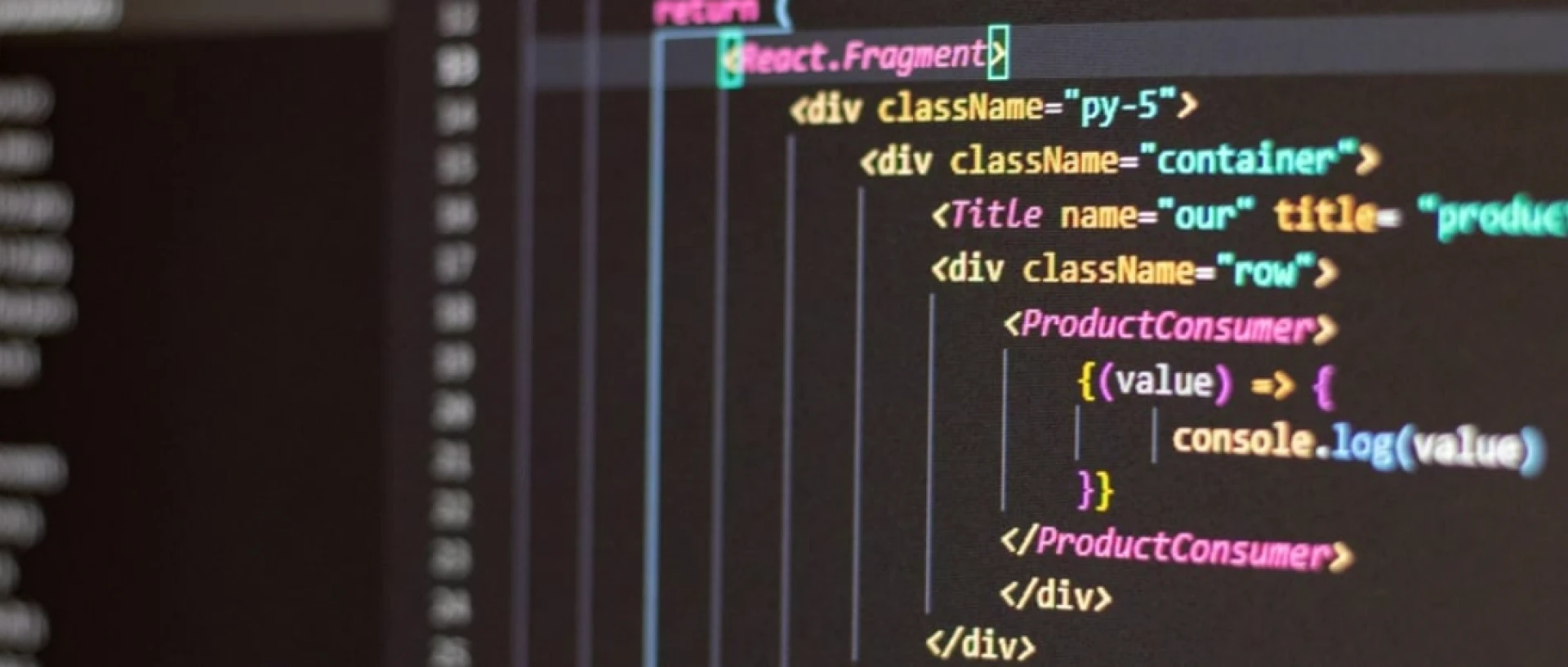

Starting programming can be exciting, but it’s also filled with challenges. As you dive into coding, you will face problems that may sometimes feel overwhelming.
These coding problems can range from syntax errors to logic issues. Don’t worry, though—every programmer faces these hurdles, especially in the first year. The key is knowing how to handle them.
Understanding these challenges and how to tackle them will help you grow faster and become a better programmer. So, let’s go over some strategies to overcome those coding problems early on.
Practice, Practice, Practice
It may sound cliché, but practice is the most important thing you can do. Coding problems can feel impossible when you're just starting. But the more you practice, the easier they get. Think of it like learning a new language.
The more you use it, the more natural it becomes. Start with small problems. Solve them over and over again. Eventually, the logic behind the code will become clearer. If you're stuck, try breaking the problem into smaller pieces.
Solving each small part will help you see the bigger picture. When you face a new coding problem, remember this: the more you practice, the more you learn.
Don’t Be Afraid to Ask for Help
Everyone struggles with coding problem at some point. It’s normal. What separates good programmers from great ones is knowing when to ask for help. Don’t waste hours staring at the screen in frustration.
Reach out to your classmates, join coding communities, or ask on forums like Stack Overflow. Often, a fresh perspective can make all the difference. Most people in these communities are willing to help; sometimes, all you need is a small tip or suggestion to move forward. Plus, explaining your problem to someone else often helps you understand it better, too.
Use Debugging Tools
Debugging is a crucial skill in programming. When you encounter coding problems, debugging tools can save you much time. They help you pinpoint where things are going wrong. Most programming environments come with built-in debuggers.
These tools allow you to step through your code line by line, checking the values of variables and understanding how your program is behaving. Print statements can also be your friend if you're working in a language that doesn't have a debugger.
Printing out the values at various points in your code lets you see where things are failing. Learning how to use debugging tools early in your coding journey will make tackling future coding problems much easier.
Break Problems Into Smaller Parts
It’s easy to feel overwhelmed when a coding problem seems too large. The trick is to break it down into smaller, more manageable pieces. Start by identifying the main problem, then break it into sub-problems.
For example, if you're building a program that sorts a list, you could break it down into smaller tasks like creating the sorting function, testing edge cases, or handling invalid input. Tackling one small problem at a time keeps you from getting frustrated.
Once you solve each small part, you’ll have a clearer path to solving the whole problem. This strategy also helps you stay organized and focused, making the task less daunting.
Final Thoughts
Facing coding problems is normal when you're starting out in programming. It’s part of the learning journey. But with the right strategies, you can overcome these challenges and become a stronger programmer.
Practice consistently, seek help when needed, use debugging tools, break down problems into smaller tasks, and learn from your mistakes. These methods will help you tackle any coding problem, especially in your first year.
The key is persistence. Keep at it; soon enough, coding will start feeling more intuitive. Keep learning, keep practicing, and don’t give up.






















Sign in to leave a comment.