
Construction scheduling is the backbone of any successful construction project. It involves the systematic organisation of all project activities, resources, and timelines to ensure that a project is completed on time and within budget. A well-crafted construction schedule can save money, reduce delays, and enhance overall project efficiency. In this comprehensive guide, we will delve into the key aspects of construction scheduling, its importance, best practices, and the tools available to streamline the process.
The Importance of Construction Scheduling
Construction scheduling plays a pivotal role in the construction industry for several reasons:
Time Management: It helps in the efficient allocation of time for various project activities, ensuring that tasks are completed in a logical sequence.
Resource Allocation: Scheduling enables the allocation of resources, such as labor, materials, and equipment, effectively, preventing overallocation or underutilization.
Cost Control: A well-structured schedule helps in cost control by minimizing idle time, reducing overtime expenses, and avoiding costly delays.
Risk Mitigation: Identifying potential delays and challenges early in the project allows for proactive problem-solving and risk mitigation.
Client Satisfaction: Meeting project deadlines boosts client satisfaction and can lead to repeat business and referrals.
Key Elements of Construction Scheduling
Effective construction scheduling involves considering various elements and factors. Here are the key components:
1. Work Breakdown Structure (WBS):
The first step in construction scheduling is breaking down the project into smaller, manageable tasks. Each task should have a clear description, duration estimate, and dependency relationships with other tasks.
2. Critical Path Method (CPM):
CPM is a widely-used scheduling technique that identifies the critical path, which is the longest sequence of tasks that determines the project's overall duration. Delaying any task on the critical path will delay the project.
3. Gantt Charts:
Gantt charts provide a visual representation of the project schedule, displaying tasks along a timeline. They are invaluable for communicating the schedule to stakeholders and tracking progress.
4. Resource Allocation:
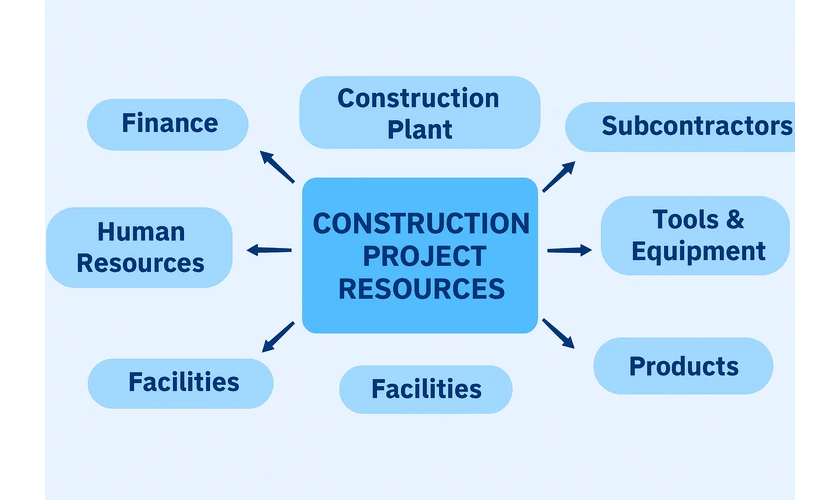
Effective scheduling requires identifying the resources needed for each task and ensuring they are available when required. This includes labor, equipment, materials, and subcontractors.
5. Task Dependencies:
Understanding the dependencies between tasks is crucial. Some tasks can only start after others are completed, while some can be executed concurrently. Task relationships are categorized as finish-to-start, start-to-start, finish-to-finish, or start-to-finish.
6. Duration Estimation:
Accurate estimation of task durations is essential. This involves considering historical data, expert judgment, and potential risks or uncertainties that could affect the timeline.
7. Contingency Planning:
To mitigate potential delays, it's prudent to build contingency buffers into the schedule. These buffers allow for unforeseen issues without impacting the project's overall timeline.
8. Monitoring and Control:
Regular monitoring of the project's progress against the schedule is crucial. Adjustments may be needed as the project unfolds, and it's important to ensure that the schedule remains realistic and achievable.
Best Practices for Effective Construction Scheduling
Early Planning: Start scheduling as early as possible in the project lifecycle. This allows for thorough planning and identification of potential bottlenecks.
Collaboration: Involve all stakeholders, including architects, engineers, subcontractors, and suppliers, in the scheduling process. Their input is invaluable for creating a realistic and achievable schedule.
Detailed Task Descriptions: Clearly define each task in terms of scope, responsibilities, and deliverables. This reduces ambiguity and misunderstandings.
Realistic Duration Estimates: Avoid overly optimistic duration estimates, as they can lead to unrealistic schedules. Consider historical data and expert opinions when estimating task durations.
Regular Updates: Continuously monitor progress and update the schedule as needed. Identify deviations from the plan and take corrective action promptly.
Resource Management: Ensure that resources are available as scheduled. Delays often occur when critical resources are overbooked or unavailable.
Risk Assessment: Identify potential risks and develop contingency plans. Having a plan in place for common construction challenges can prevent major disruptions.
Use Technology: Utilize construction scheduling software and tools, such as Primavera P6, Microsoft Project, or Procore, to streamline the scheduling process and improve accuracy.
Construction Scheduling Tools
Several software tools are available to simplify the construction scheduling process. Here are a few popular options:
Microsoft Project: This widely-used software offers a comprehensive set of tools for project scheduling, including Gantt charts and resource allocation features.
Primavera P6: Known for its robust project management capabilities, Primavera P6 is often used for large and complex construction projects.
Procore: Procore offers cloud-based construction management software with scheduling features, facilitating collaboration among project teams.
Smartsheet: Smartsheet combines the familiarity of spreadsheets with project management features, making it accessible to a broad range of users.
Conclusion
Construction scheduling is an indispensable tool for ensuring the successful completion of construction projects. It enables efficient resource allocation, cost control, risk mitigation, and timely project delivery. By following best practices and leveraging construction scheduling software, construction professionals can master the art of construction scheduling, leading to smoother projects and satisfied clients. Remember that a well-crafted schedule is not just a plan; it's a roadmap to success in the construction industry.






Sign in to leave a comment.