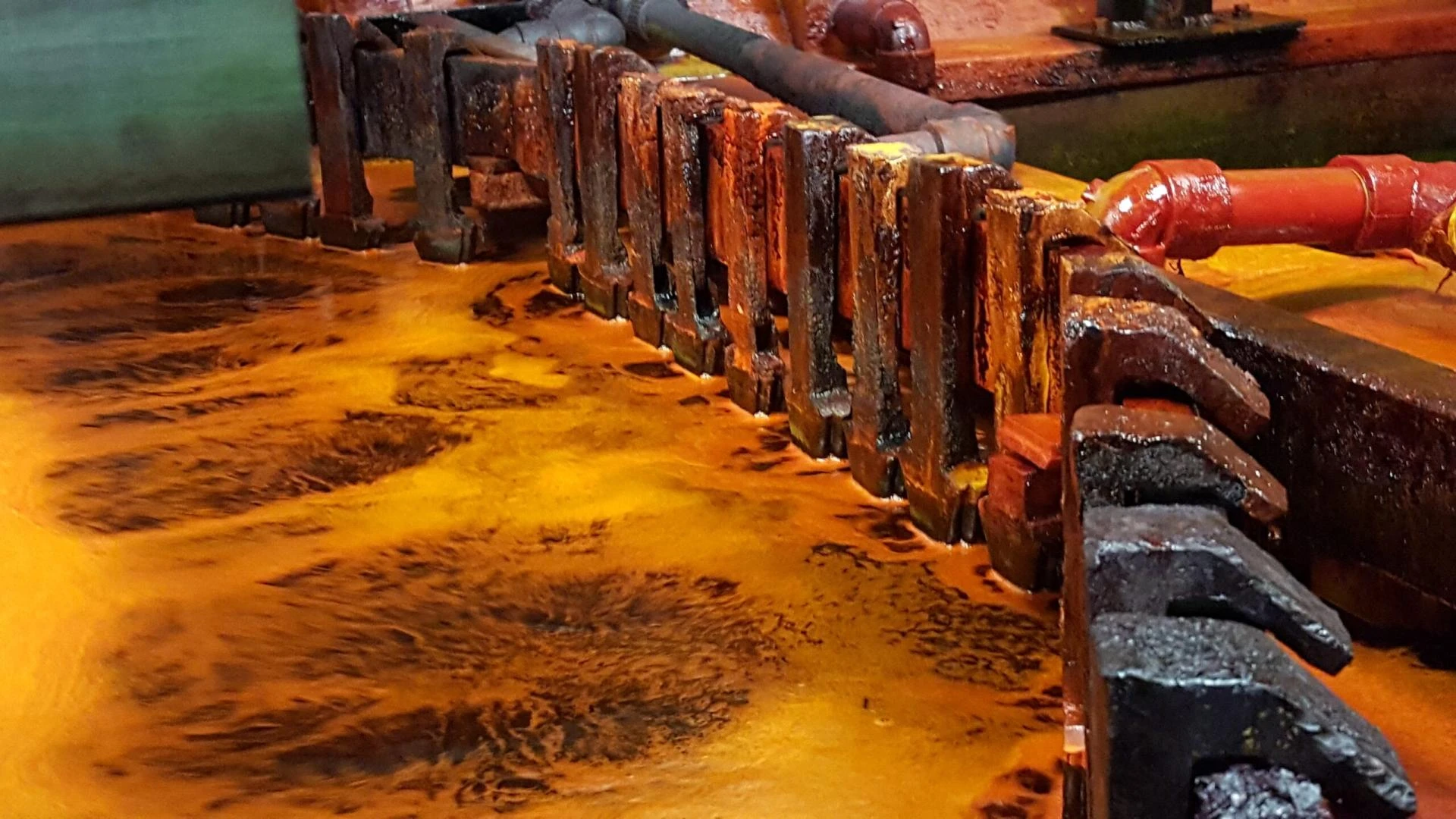

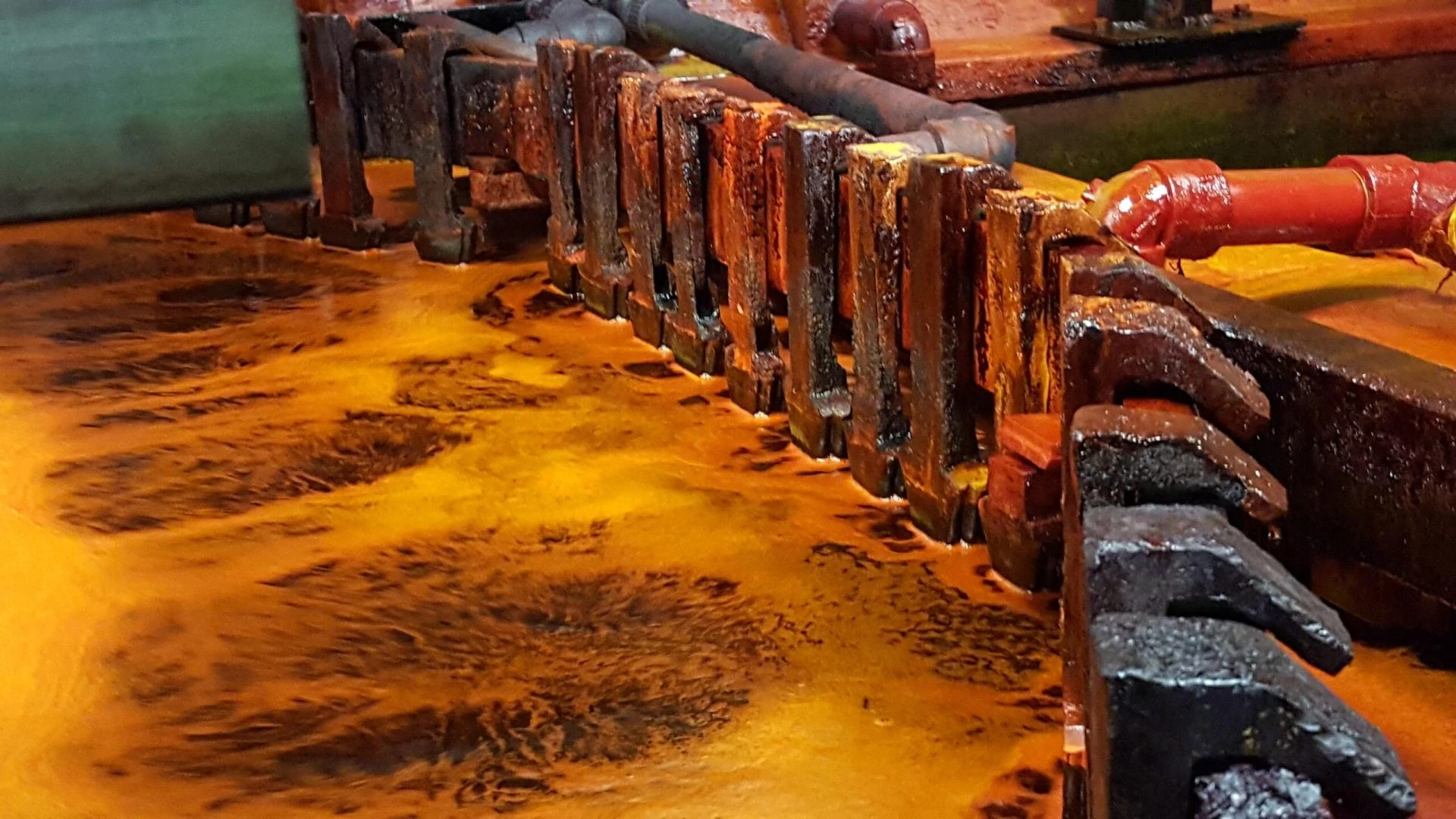
The critical role of an electroplating rectifier is to help attain the best finished quality for both industrial and decorative purposes. Precise control of plating conditions translates into the quality of the coating, efficiency of the process, and long-term reliability of the plated component. An electroplating rectifier converts alternating current (AC) to direct current (DC).
Knowing the role of an electroplating rectifier
Fundamentally, the rectifier converts the AC power supplied from a power source into a stable, regulated DC output that is necessary to achieve uniform deposition of the metal ions on the substrate. This stability is essential for assuring uniformity of the current density throughout the plating tanks; that is, the even deposition of material. Plated surfaces that are not plated with particular control of current may suffer from uneven thickness, adhesion failure, or defects that would cause both poor appearance and performance.
Considerations for performance and safety
Choosing the best electroplating rectifier. It begins with a thorough assessment of the needed output voltage and current. Voltage needs to be consistent with the particular electrochemical reaction, and the power (the current) should be enough so that it is never the limiting factor, for example, at peak demand. The regulation performance reflects the ability of the rectifier to keep the output power constant at different load levels. Reduction of noise and ripple is vital to the defect-free deposition of coatings.
Safety features are equally important. Protective circuits for over-current and over-voltage protect equipment and work pieces from damage. A sound thermal management system is needed to prevent overheating when used for a long time. The signal isolation between input and output not only achieves the electrical isolation but also prevents unwanted interactions with other equipment.
Applications that can capitalize on advanced rectifier technology
There is hardly any industry that doesn't use electroplating rectifiers, whether it's for the finishing of automotive parts, plating of electronic components, household goods, or decorative coatings, or for industrial lead components that are required to meet corrosion-prevention standards. They have to maintain the same electrical performance on all products to ensure the same quality, the same durability, and the same parameters. Operating and maintenance guidelines
To maximize the life and performance of an electroplating rectifier, start by choosing a unit that is suitable for your application, plus some operational margin. Regular control of the output allows for timely detection of irregularities, without delay for correction. Check connections and venting for routine wear and tear to ensure that the unit is functioning correctly. Having the right ground in place and installing it correctly are both key to safety and keeping electrical noise down.
Conclusion
An electroplating rectifier is specialized equipment and has a direct impact on the quality and reliability of plating. With well-conceived selection criteria, combined with an emphasis on safety and performance, and adherence to disciplined operating procedures, industrial coating professionals can attain finishes, adhesion, and durability that go beyond the ordinary and do so consistently.
For additional information regarding Electroplating Rectifier Vista please continue browsing our website at americancrs.com.



























Sign in to leave a comment.