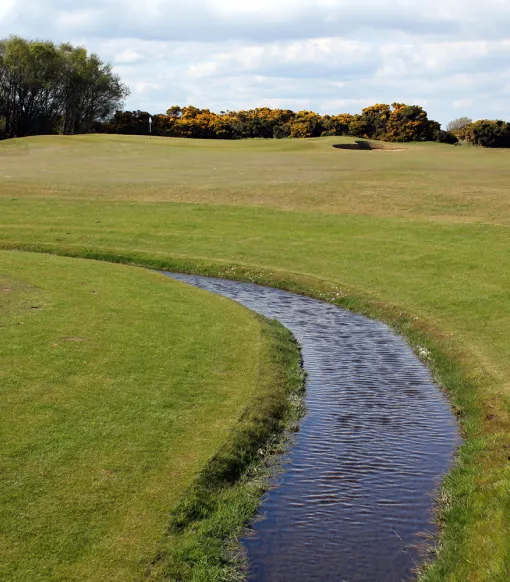

India’s golf industry is developing rapidly, creating new opportunities for resorts, private clubs, residential communities, hotels, and tourism destinations. As more developers explore golf-related projects, the importance of professional Golf Course Design India has become increasingly clear.
A successful golf course is not simply a collection of fairways, bunkers, and greens. It is a carefully planned environment that combines strategy, landscape, sustainability, golfer experience, and long-term operational requirements.
What Makes Golf Course Design Important?
Golf course design influences almost every aspect of a golf development—from how players experience each hole to how much water, energy, and maintenance the course requires.
A well-designed course should:
- Provide an enjoyable experience for different levels of golfers
- Make effective use of the natural landscape
- Offer strategic variety throughout the round
- Consider drainage and irrigation requirements
- Reduce unnecessary construction and maintenance costs
- Complement surrounding residential, hospitality, or resort development
- Incorporate sustainable landscaping wherever practical
These considerations are particularly important in India because climatic and environmental conditions vary significantly from one region to another.
Designing for India's Diverse Landscape
India offers a wide range of landscapes suitable for golf development. A course in a dry region may require careful water planning and drought-tolerant landscaping, while a coastal or tropical site may have different drainage, soil, and vegetation requirements.
Topography is another important factor. Natural slopes, existing vegetation, water features, and landforms can often be incorporated into the course layout to create character while reducing unnecessary earth movement.
Professional site analysis during the early planning stage can therefore make a significant difference to the final result.
The Role of Sustainability
Sustainability is becoming an increasingly important consideration in modern golf course development.
Water management is particularly critical. Efficient irrigation systems, appropriate turf selection, rainwater management, drainage planning, and responsible landscaping can help reduce resource consumption.
Using suitable local or climate-adapted vegetation can also create a natural appearance while potentially reducing maintenance requirements.
A sustainable golf course should not only look attractive when it opens—it should remain practical and economical to maintain over the long term.
Creating Strategic and Enjoyable Golf Holes
Good golf course design gives players choices. Tee placement, fairway width, bunker positioning, water hazards, approach angles, and green contours can all influence how a golfer approaches a hole.
A course should offer different challenges without becoming unnecessarily difficult. Multiple tee positions can help make the same course enjoyable for beginners, recreational golfers, and experienced players.
This balance between challenge and accessibility is one of the foundations of effective golf course design.
Golf Course Design for Resorts and Real Estate
Golf courses can add significant recreational and visual value to larger developments. They may be integrated with:
- Luxury resorts
- Hotels and tourism projects
- Residential communities
- Private golf clubs
- Golf academies
- Mixed-use developments
- Destination leisure projects
In these situations, golf course planning needs to work alongside the overall master plan. Views, road networks, residential plots, clubhouse locations, pedestrian movement, drainage, landscaping, and maintenance access should all be considered together.
Why Choose GreenLinks Consultant?
GreenLinks Consultant focuses on professional golf course planning and design solutions tailored to project objectives and local site conditions.
The design approach can consider the complete development—from initial site assessment and conceptual planning to course strategy, landscape integration, sustainability, and long-term maintenance considerations.
For developers planning a new golf facility in India, selecting the right design approach at the beginning can help create a course that is visually distinctive, enjoyable to play, and practical to operate.
The Future of Golf Course Design in India
As India's hospitality, tourism, and real estate sectors continue to evolve, opportunities for professionally designed golf developments are likely to expand.
The future of Golf Course Design India will increasingly depend on combining international golf principles with local environmental knowledge. Courses that respect their landscape, manage resources responsibly, and provide memorable experiences can deliver lasting value to both golfers and property developers.
With thoughtful planning and professional expertise from GreenLinks Consultant, golf developments can be designed to become distinctive destinations while maintaining a strong focus on playability, sustainability, and long-term performance.






















Sign in to leave a comment.