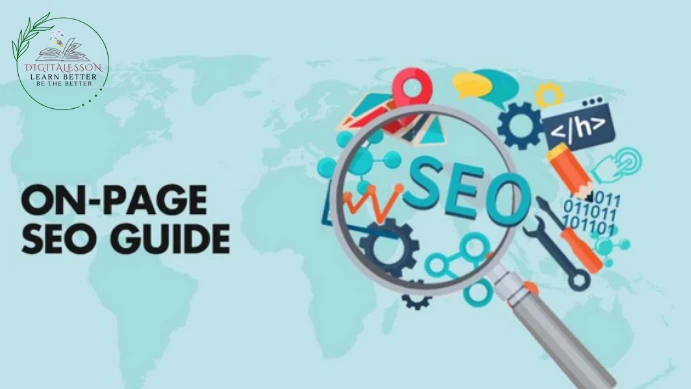

In the ever-changing field of digital marketing, mastering on-page SEO is critical for ensuring your website ranks high in search engine results. On-page SEO refers to the optimization techniques used directly on your website to improve its exposure in search engines and attract organic visitors. In this detailed guide, we will go over the major tactics and best practices for optimizing your website efficiently.
Keyword Research:
Conduct keyword research to understand what your target audience is searching for. Use tools such as Google Keyword Planner, SEMrush, or Ahrefs to find relevant keywords with a high search volume and low competition.
Content Optimization:
To optimize your content, create relevant and high-quality material based on your target keywords. Make sure your information is useful to users and properly addresses their questions. Use target keywords naturally throughout your material, including titles, headings, meta descriptions, and body text.
Title Tags and Meta Descriptions:
Create captivating title tags and meta descriptions that appropriately reflect the content of each webpage and encourage readers to click. Use target keywords wisely to increase relevancy and click-through rates.
URL Structure:
Optimize your URL structure to be descriptive, compact, and keyword-rich. Avoid long, complex URLs that contain superfluous arguments or symbols. A concise and well-structured URL helps not just the user experience, but also search engine crawlability and indexing.
Heading Tags:
Heading tags (H1, H2, H3, etc.) help arrange text and increase readability. Ensure that each heading appropriately reflects the content of its corresponding section and includes relevant keywords when applicable.
Image Optimization:
Optimize photos by using descriptive filenames and alt tags with relevant keywords. Compress photos to minimize file size and increase website load time, which is critical for both user experience and search engine results.
Internal Linking:
Implement an effective internal linking strategy to connect relevant content on your website. Internal links help search engines understand your site's structure and hierarchy while distributing link equity among its pages.
Mobile Optimization:
Prioritize mobile optimization to ensure a consistent user experience across all devices. Ensure that your website is responsive, fast-loading, and easy to use on smartphones and tablets.
Page Speed Optimization:
Improve page speed via optimizing code, using browser caching, and limiting HTTP queries. Use tools like Google PageSpeed Insights or GTmetrix to discover and resolve performance issues that may be affecting user experience and SEO.
Schema Markup:
Use schema markup to give search engines with more context about your content, including reviews, ratings, and event details. Schema markup can improve your website's visibility in search results and boost click-through rates.
By carefully adopting these DigitaLesson’s on-page SEO methods, you may improve your website's visibility, generate organic visitors, and eventually meet your digital marketing goals. Remember that SEO is a constant process, so continuously check performance data and change your techniques accordingly to stay ahead in the ever-evolving search field.
Visit: www.digitalesson.com

















Sign in to leave a comment.