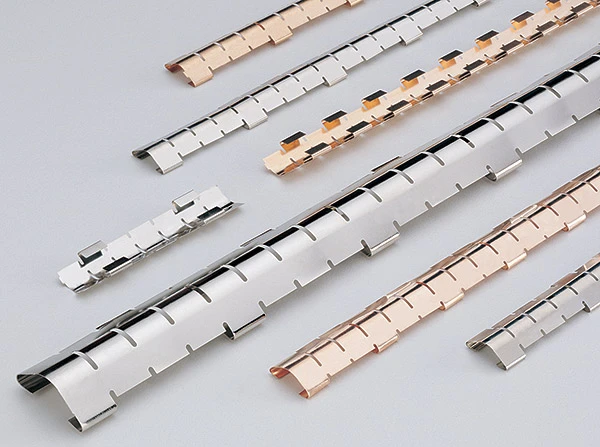

In today's interconnected world, electronic devices and systems are everywhere, from smartphones to industrial machinery. With this proliferation of technology comes the challenge of dealing with electromagnetic interference. Radio Frequency Interference (RFI) can disrupt the proper functioning of electronic equipment, leading to reduced performance, data corruption, and even safety hazards. This is where RFI shielding comes to the rescue. In this blog post, we'll delve into the essential guidelines for successful RFI shielding.
1. Understand the Basics of RFI Shielding
Radio Frequency Interference (RFI) is the phenomenon where unwanted electromagnetic energy from external sources interferes with the operation of electronic devices. RFI shielding involves creating a barrier that prevents these external electromagnetic signals from affecting the performance of sensitive electronics.
2. Identify Shielding Requirements Early
Start by identifying your shielding requirements during the initial design phase of your project. Determine the frequency range you need to shield against and the level of shielding effectiveness required. This early planning will help you choose the appropriate shielding materials and techniques.
3. Select the Right Shielding Materials
Choosing the right materials is crucial for effective RFI shielding. Conductive materials such as metals (e.g., copper, aluminum) and conductive coatings (e.g., conductive paints) are commonly used for creating shields. Make sure the chosen material provides good conductivity and has suitable thickness to attenuate the desired frequencies.
4. Consider Shielding Techniques
There are various shielding techniques to choose from, including:
Enclosure Shielding: This involves placing the electronic components in a conductive enclosure. The enclosure acts as a barrier, reflecting and absorbing incoming electromagnetic waves.
Cable Shielding: Shielded cables use conductive materials to encase signal-carrying wires, reducing the emission and susceptibility to RFI.
Gasketing and Sealing: Properly sealing enclosures and connections with conductive gaskets and materials can prevent leakage of electromagnetic signals.
Filtering: Implementing filters at the input and output stages of electronic devices can help mitigate unwanted electromagnetic interference.
5. Maintain Proper Grounding
Grounding is essential for RFI shielding effectiveness. Ensuring that all shielding components are properly grounded helps direct unwanted electromagnetic energy away from sensitive electronics. Proper grounding techniques should be followed to create an effective pathway for the energy to dissipate.
6. Test and Verify Shielding Effectiveness
Regular testing and verification are necessary to ensure the effectiveness of your RFI shielding measures. Use appropriate testing equipment to measure the level of attenuation achieved by the shielding. Make adjustments if necessary to meet the desired performance standards.
7. Address Ventilation and Thermal Concerns
While shielding is critical, it's important to consider ventilation and thermal management. Shielding enclosures may restrict airflow, leading to heat buildup. Properly designed ventilation systems and heat sinks can help maintain optimal operating temperatures.
8. Stay Updated on Regulations
Depending on your industry and application, there may be specific regulations and standards related to RFI shielding that you must adhere to. Stay informed about these regulations to ensure compliance and optimal performance.































Sign in to leave a comment.