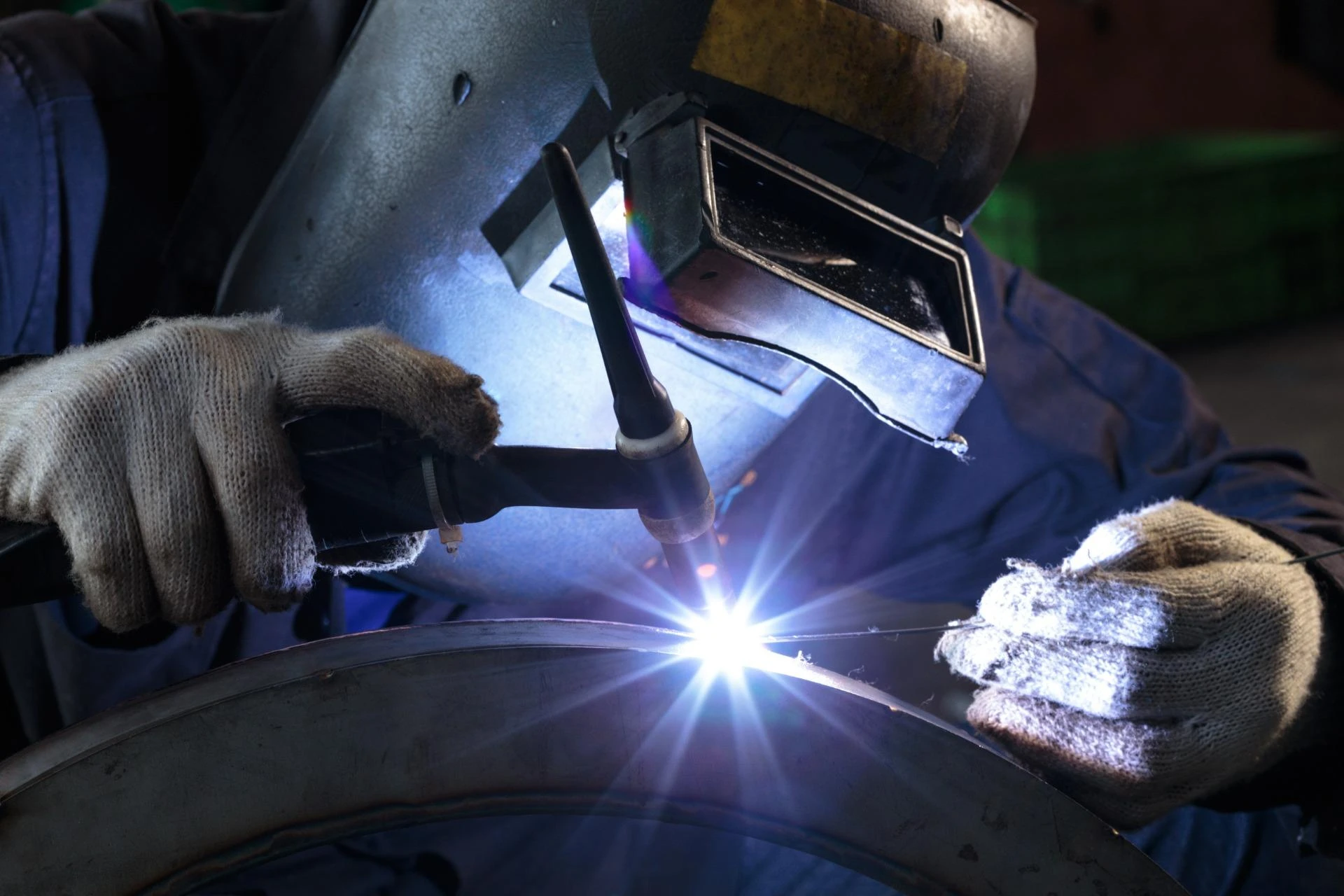

Welding is a fascinating blend of science and craftsmanship, bringing together the ability to fuse metals into seamless structures. One specialized technique within the welding world is Tungsten Inert Gas (TIG) spot welding. While TIG welding is often associated with more intricate and precise work, spot welding with TIG introduces its own set of considerations and techniques. In this blog, we'll delve into the essentials you should know about using TIG spot welding.
1. Understanding TIG Spot Welding: TIG spot welding is a process that uses a non-consumable tungsten electrode to create an electric arc that generates the heat needed to fuse two metal pieces together. Unlike traditional TIG welding, where a continuous bead is created, spot welding involves forming discrete welds at specific points, making it ideal for joining thin sheets of metal.
2. Equipment and Materials: Before diving into TIG spot welding, ensure you have the necessary equipment:
TIG welding machineTungsten electrodeShielding gas (typically argon)Workpiece clampsSafety gear (welding helmet, gloves, apron, etc.)3. Proper Preparation: As with any welding technique, proper preparation is crucial:
Clean the workpieces: Ensure the surfaces to be welded are clean and free from contaminants like oil, dirt, or rust, as they can affect weld quality.Fit-up: Properly align and clamp the workpieces to ensure accurate welding at the desired spot.4. Electrode Selection: Selecting the right tungsten electrode is vital. For TIG spot welding, a pointed or truncated cone-shaped electrode is often used. The electrode's composition, such as pure tungsten or a tungsten alloy, can impact performance and arc stability.
5. Gas Shielding: Shielding gas is essential to protect the weld from atmospheric contamination. Argon is commonly used due to its inert nature. The gas flow rate and coverage need to be adjusted appropriately to ensure a clean weld.
6. Welding Parameters: Finding the optimal settings for TIG spot welding requires experimentation. Key parameters to consider include:
Current: The intensity of the welding current influences heat input and penetration.Time: The duration of the arc affects the size of the weld spot.Gas flow rate: Proper shielding is achieved by maintaining an adequate flow rate of shielding gas.7. Technique Matters: Mastering the right technique is crucial for successful TIG spot welding:
Positioning: Maintain a consistent and comfortable torch angle and distance from the workpiece.Arc Length: Control the arc length to regulate heat input; shorter arcs result in more concentrated heat.Stitch Welding: For larger spot welds, consider using a stitch welding technique, creating a series of overlapping small weld spots.8. Practice Patience: TIG spot welding demands patience and precision. Take your time to learn and practice the technique. It's advisable to start on scrap pieces before moving on to critical projects.
9. Safety First: Welding involves hazards like intense light, heat, and potentially harmful fumes. Always wear appropriate safety gear, work in a well-ventilated area, and follow proper safety protocols.
10. Post-Welding Care: After welding, ensure the welded area cools down naturally. Avoid sudden cooling, as it could lead to cracks. If necessary, use a heat-resistant blanket to protect the welded area during cooling.





























Sign in to leave a comment.