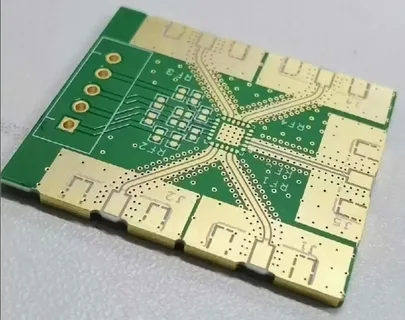

The performance, reliability, and thermal efficiency of hybrid printed circuit boards (PCBs) largely depend on the materials used during their fabrication. Selecting the right combination of substrates and metals is crucial for ensuring that circuits perform optimally under demanding environmental and electrical conditions. A Hybrid PCB Manufacturer must carefully balance conductivity, heat dissipation, mechanical strength, and cost-effectiveness when choosing materials such as alumina, aluminum nitride (AlN), and various metal substrates. Understanding these materials’ distinct properties helps engineers and designers make informed decisions that align with their application’s performance goals.
1. Alumina (Al₂O₃): The Reliable Standard
Alumina is one of the most widely used materials in hybrid PCB manufacturing due to its versatility and proven reliability. It offers excellent mechanical strength, chemical stability, and electrical insulation, making it ideal for circuits exposed to harsh environments.
● Thermal Conductivity: While moderate compared to other ceramics, alumina provides sufficient heat management for many standard electronic applications.
● Cost-Effectiveness: Its affordability and availability make it a go-to choice for medium-performance systems.
● Applications: Commonly used in automotive electronics, sensors, and LED modules, alumina balances performance and cost efficiently.
2. Aluminum Nitride (AlN): The High-Performance Ceramic
Aluminum nitride stands out for its superior thermal conductivity—almost ten times greater than that of alumina—while maintaining excellent electrical insulation.
● Heat Dissipation: Ideal for high-power circuits and applications requiring efficient thermal management, such as power amplifiers and high-frequency devices.
● Mechanical Stability: AlN substrates resist thermal expansion, ensuring dimensional stability even under temperature fluctuations
● Electrical Performance: Its low dielectric constant makes it perfect for high-speed signal transmission with minimal loss.
Though more expensive, AlN is preferred in industries where precision and thermal reliability outweigh cost considerations.
3. Metal Substrates: Durability Meets Conductivity
Metals like aluminum and copper are often used as base materials to enhance mechanical strength and heat dissipation.
● Aluminum Base: Offers an excellent balance between weight, cost, and thermal conductivity. It is widely used in LED lighting and power electronics.
● Copper Base: Provides exceptional electrical and thermal performance, making it suitable for high-frequency and high-current circuits.
● Composite Layers: Some designs combine metals with dielectric layers to optimize insulation and conductivity simultaneously.
Metal-based substrates are particularly valuable in hybrid PCB designs that require superior heat spreading and robust mechanical support.
4. Advanced Substrates: Tailored for Performance
In addition to ceramics and metals, advanced polymer or composite substrates are gaining traction for specific applications. Materials like polyimide or PTFE (Teflon) offer flexibility, lightweight properties, and excellent dielectric performance. These are ideal for high-frequency or aerospace applications where traditional materials might be too rigid or heavy. Hybrid PCBs often integrate multiple substrate types to achieve the desired balance between flexibility, strength, and performance.
Final Thoughts
Selecting the right material for hybrid PCB manufacturing involves evaluating each option’s thermal, electrical, and mechanical properties to meet application-specific demands. Alumina offers reliability and affordability, AlN delivers superior thermal management, metals provide structural strength, and advanced composites add design flexibility. An experienced Hybrid PCB Manufacturer can combine these materials strategically to achieve optimal performance and durability. For expertly engineered hybrid PCB solutions built with precision and advanced material technology, explore innovative design and production options at Hybrid-tek.



























Sign in to leave a comment.