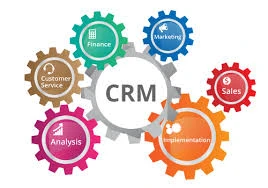
In the world of modern business, data is a crucial asset that drives decision-making, efficiency, and growth. However, as the volume of data continues to grow, manually processing it becomes increasingly impractical and prone to errors. This is where automated data processing comes in. By leveraging automation, businesses can streamline their data operations, maximizing both accuracy and speed.
What is Automated Data Processing?
Automated data processing refers to the use of technology to collect, process, and analyze data without human intervention. This can include a range of tasks, from data entry and validation to complex analysis and reporting. Automation tools can handle repetitive tasks quickly, accurately, and without the fatigue that humans face, allowing businesses to focus on more strategic activities.
Why is Speed Important in Data Processing?
Speed is critical in today’s fast-paced business environment. Organizations need real-time or near-real-time insights to make informed decisions, respond to market changes, and stay ahead of the competition. Automated data processing accelerates the entire process, from data collection to analysis, ensuring that businesses have access to the information they need without unnecessary delays.
How Automated Data Processing Maximizes Accuracy
- Minimizes Human Error
- One of the biggest advantages of automated data processing is the reduction of human error. Manual data entry and analysis are prone to mistakes, whether due to fatigue, oversight, or inconsistencies. Automation ensures that data is processed consistently and accurately, resulting in fewer errors and more reliable outcomes.
- Real-Time Data Validation
- Automated systems can be programmed to check data in real-time as it is entered, ensuring that it is correct and complies with predefined standards. This immediate feedback loop reduces the need for later corrections, improving the quality of the data from the very start.
- Data Consistency
- When data is processed manually, it’s common for inconsistencies to arise—whether it’s formatting issues, discrepancies in data sets, or differences in reporting styles. Automated systems ensure consistency across all data, making it easier to analyze and interpret.
How Automated Data Processing Enhances Speed
- Faster Data Collection and Input
- Automated tools can gather and input data from a variety of sources—whether it’s customer information, transactional data, or social media feeds—much faster than a human could manually process. This speed allows businesses to operate in real-time, rather than waiting for data to be collected and processed manually.
- Efficient Data Analysis
- With automation, complex analyses that would take humans hours or even days can be completed in a fraction of the time. Automation can also continuously monitor data, flagging anomalies or trends as soon as they arise, providing timely insights that improve decision-making.
- Automating Routine Tasks
- Automated data processing takes care of routine tasks like sorting, filtering, and categorizing data, freeing up human resources for more high-value work. This improves the overall speed of data handling and ensures that employees can focus on interpreting results and making strategic decisions.
Implementing Automated Data Processing in Your Business
To maximize the benefits of automated data processing, businesses must carefully plan and implement automation strategies that align with their goals. Here are some steps to get started:
- Identify Repetitive Tasks
- Look for areas where repetitive data tasks are consuming time and resources. This might include data entry, report generation, or data validation. Automating these processes will quickly free up valuable time.
- Choose the Right Tools
- Investing in the right software and tools is essential for successful automation. There are many automation platforms available, ranging from data entry tools to advanced analytics platforms that leverage machine learning and AI for smarter data processing.
- Train Your Team
- Ensure that your team is properly trained on how to use automated tools and interpret the results they generate. While automation can handle many tasks, human expertise is still necessary for making informed decisions based on the insights it provides.
Conclusion
In today’s data-driven world, automated data processing is no longer a luxury—it's a necessity. By automating data handling, businesses can significantly improve both the speed and accuracy of their operations. This not only enhances productivity but also provides better insights, allowing businesses to stay ahead of the competition and make more informed decisions. Embracing automation is the key to achieving maximum efficiency and ensuring that your data is processed quickly, accurately, and consistently.



























Sign in to leave a comment.