
Introduction:
The food delivery industry has experienced significant growth and transformation in recent years, and 2023 presents new opportunities and challenges for food delivery businesses. To thrive in this competitive landscape, it's crucial to implement effective strategies to boost sales and stay ahead of the curve. In this blog post, we will explore key strategies to maximize food delivery business sales in 2023.
Embrace Technology and Online Platforms: a. Develop a User-Friendly App: In an increasingly mobile-driven world, a user-friendly and feature-rich app is essential. Invest in a well-designed app that offers seamless navigation, personalized recommendations, and quick ordering options to enhance the user experience. b. Optimize Website Performance: Ensure your website is fast, responsive, and mobile-friendly. Streamline the online ordering process, providing a hassle-free experience for customers. c. Leverage Third-Party Platforms: Collaborate with popular third-party food delivery platforms to expand your customer reach and tap into their user base. This allows you to benefit from their marketing efforts and infrastructure.
Enhance Menu Diversity and Quality: a. Offer Diverse Cuisine Options: Cater to a wide range of customer preferences by offering diverse cuisine options, including international flavors, plant-based alternatives, and dietary-specific meals (e.g., gluten-free, keto, or vegan). b. Focus on Quality Ingredients: Prioritize high-quality ingredients that emphasize freshness, sustainability, and local sourcing. Promote transparency in your sourcing practices to build trust with customers.
Implement Targeted Marketing Campaigns: a. Social Media Advertising: Leverage social media platforms to target specific customer segments through paid advertisements, sponsored posts, and influencer collaborations. Engage with your audience, share enticing food visuals, and promote exclusive offers. b. Geo-Targeting and Personalization: Utilize data analytics to target customers in specific geographical areas with personalized offers, discounts, or promotions. Tailor marketing messages based on customer preferences and ordering history. c. Email Marketing and Loyalty Programs: Nurture customer relationships through regular email newsletters featuring new menu items, seasonal promotions, and personalized recommendations. Implement a loyalty program that rewards repeat customers, encouraging customer retention and referrals.
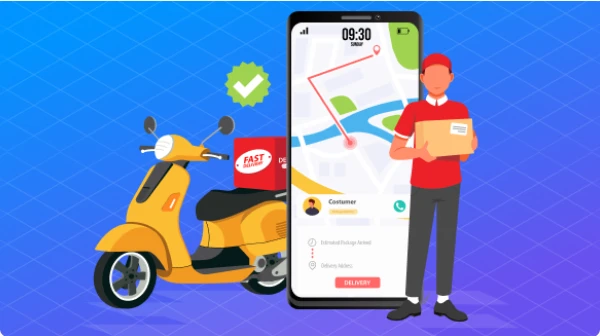
Streamline Delivery Operations: a. Optimize Delivery Routes: Utilize route optimization software to minimize delivery time and distance, ensuring efficient and timely deliveries. This helps improve customer satisfaction and reduce delivery costs. b. Real-Time Tracking and Communication: Implement real-time order tracking, providing customers with updates on their delivery status. Enable two-way communication channels for seamless interaction between customers and delivery personnel. c. Contactless and Secure Deliveries: Offer contactless delivery options to address health and safety concerns. Implement secure packaging and tamper-evident seals to instill confidence in customers.
Foster Customer Engagement and Loyalty: a. Exceptional Customer Service: Provide prompt and friendly customer support through various channels, such as chatbots, email, or phone. Resolve customer queries or concerns swiftly, ensuring a positive experience. b. Ratings and Reviews: Encourage customers to leave ratings and reviews, as positive feedback serves as social proof and attracts new customers. Respond to feedback, both positive and negative, demonstrating your commitment to customer satisfaction. c. Personalized Recommendations: Leverage customer data and ordering history to offer personalized menu suggestions and promotions, enhancing the customer experience and fostering loyalty.
Collaborate with Local Partnerships: a. Collaborate with Local Restaurants or Suppliers: Forge partnerships with local restaurants, food vendors, or suppliers to expand your menu offerings and provide customers with a diverse selection of food options. This allows you to leverage their existing customer base and build mutually beneficial relationships. b. Corporate Partnerships: Explore partnerships with corporate entities, offices, or event organizers to cater to their specific needs. Offer group orders, office catering, or exclusive promotions to tap into this market segment.
Conclusion:
To maximize food delivery business sales in 2023, it's essential to embrace technology, enhance menu offerings, implement targeted marketing campaigns, streamline delivery operations, foster customer engagement, and collaborate with local partners. By staying ahead of the trends, adapting to changing customer preferences, and providing exceptional service, you can position your food delivery business for success in the dynamic and competitive landscape of 2023.

























Sign in to leave a comment.