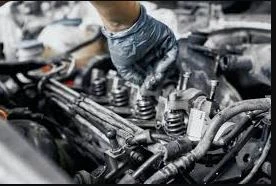

Performance fuel injectors are a cornerstone of modern muscle, diesel pullers, and high-performance street builds alike. When engineered correctly, they deliver precise fuel metering, cleaner combustion, and the kind of reliability that race and daily driving both demand. This guest post explores what performance injectors bring to the table, how to choose the right set, and practical tips for installation and tuning.
Understanding the Role of Performance Injectors
- Consistent metering: High-performance injectors maintain a precise fuel flow across the RPM range, ensuring the air–fuel mixture stays optimal under spirited driving.
- Spray pattern and atomization: The injector’s spray angle, pintle design, and nozzle diameter influence how finely fuel is atomized. Superior atomization leads to better combustion efficiency and power.
- Flow capacity and sizing: Injectors must match the engine’s displacement, turbocharger or supercharger setup, intercooling, and desired horsepower targets. Undersized injectors can cause lean conditions at high load, while oversized units can hurt idle quality and fuel economy.
- Duty cycle and reliability: Performance units are built to handle higher duty cycles, with materials and seals chosen for durability under elevated pressures and temperatures.
Key Considerations When Selecting Injectors
- Engine and goal: Define your target horsepower, turbo setup, and typical operating RPM. For street-legal builds, balance plumbing, pressure, and injector size to maintain drivability.
- Fuel system compatibility: Ensure compatible with your fuel injectors’ spray patterns (side-dot, top-feed, or pintle designs), rail pressure, and the vehicle’s ECM tuning capabilities.
- Spray pattern and atomization: Choose injectors that offer a spray pattern well-suited to your intake manifold and cylinder head design. Some patterns enhance mixing in direct-injection or port-injected configurations.
- Return vs returnless systems: Some platforms require return-style setups for consistent rail pressure; others are optimized for returnless designs. Verify compatibility with your fuel rail and pressure regulator.
- Tuning and support: High-performance injectors often require recalibration of injectors’ flow data in the ECU. Look for products with comprehensive flow data and tuner support.
Installation and Tuning Best Practices
- Pre-install inspection: Check O-rings, seals, and connectors for wear. Clean the rail and ports to prevent debris from compromising spray quality.
- Correct sealing and torque: Use OEM-recommended torque values for injector sleeves and rail fittings to avoid leaks and ensure even pressure distribution.
- ECU calibration: Work with a professional tuner to input flow data, adjust fueling curves, and compensate for ambient temperature and pressure changes. This step is critical to achieving peak power without risking engine damage.
- Idle and driveability: After installation, verify idle quality, cold-start behavior, and smooth transitions from light to heavy throttle. Small trims can dramatically affect everyday drivability.
Benefits in Real-World Applications
- Drag and track performance: Increased fuel delivery supports higher boost and more aggressive timing without lean spikes, translating to meaningful horsepower gains.
- Durability under pressure: Quality performance injectors employ robust materials and precision manufacturing to maintain consistency under high-RPM operation.
Conclusion
Performance fuel injectors are not a one-size-fits-all upgrade. The right choice hinges on your engine build, fuel system architecture, and tuning support. By prioritizing precise flow, atomization, and reliable hardware, you unlock power potential while preserving driveability and reliability. If you’re considering a swap, consult with a tuner who can tailor injector sizing and ECU maps to your exact setup, ensuring you get the most from your investment.
Would you like me to tailor this further to specific product lines (e.g., diesel vs. gasoline, single-tank vs. multi-tank setups, return vs. returnless systems) or add a short call-to-action and contact details specific to your site or brand voice? If you share any preferred keywords or audience (enthusiasts, professional tuners, DIY hobbyists), I can adjust the tone accordingly.































Sign in to leave a comment.