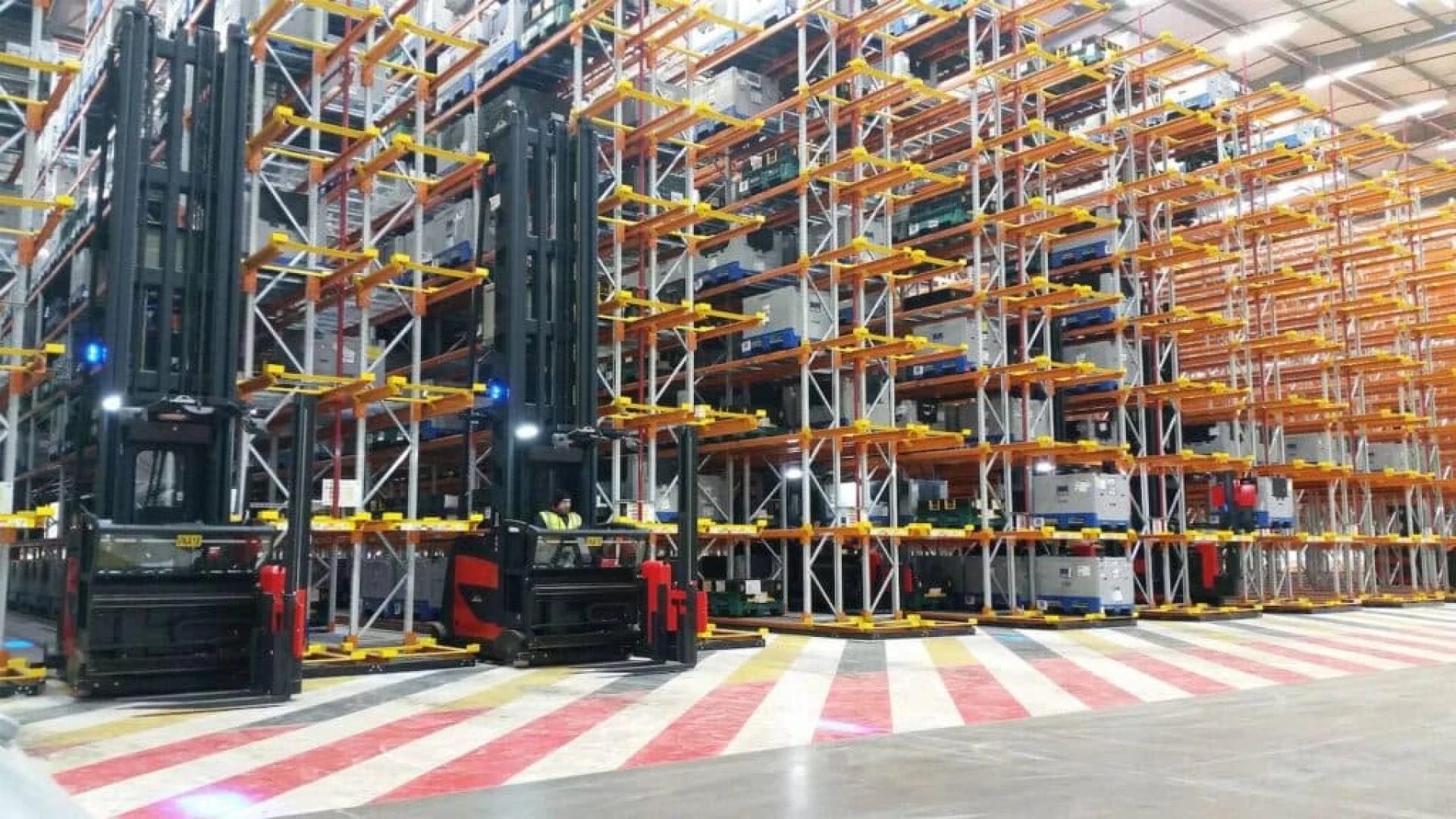

In the modern world of warehousing and logistics, efficiency is paramount. Businesses continually seek innovative storage solutions that maximize space while ensuring easy access to inventory. One such solution that has gained significant traction in recent years is drive in pallet racking. This specialized storage system not only optimizes the use of vertical space but also enhances the overall operational workflow within a warehouse.
Understanding Drive-In Pallet Racking
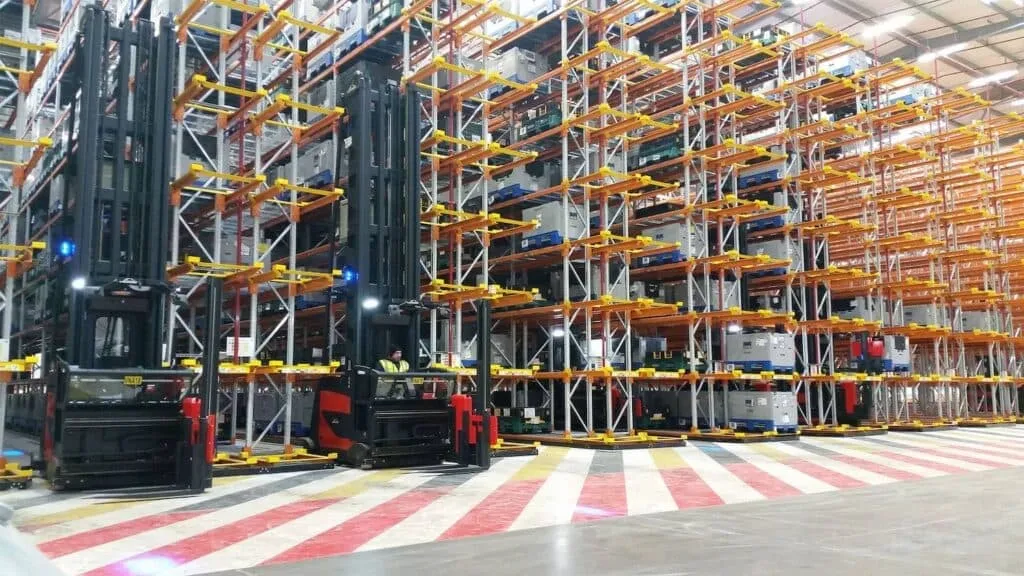
Drive-in pallet racking is a unique storage solution designed for high-density storage of pallets. Unlike traditional racking systems that require aisles for access, this system allows forklifts to drive directly into the racking structure, enabling the storage of multiple pallets in a single lane. This design significantly increases storage capacity, making it ideal for businesses that handle large volumes of similar products.
The mechanics of drive-in racking are relatively simple yet effective. Pallets are loaded onto rails, and because the system operates on a Last In, First Out (LIFO) basis, the most recently stored pallets are the first to be retrieved. This method is particularly advantageous for products with a shorter shelf life or items that are frequently rotated. The efficiency of drive-in racking can transform a warehouse’s operations, leading to reduced handling times and increased productivity.
Benefits of Implementing Drive-In Pallet Racking
The advantages of drive-in pallet racking extend beyond mere space efficiency. First and foremost, this system significantly reduces the footprint required for storage. By allowing pallets to be stored back-to-back in a single aisle, businesses can utilize their warehouse space more effectively, often doubling or even tripling their storage capacity.
Moreover, drive-in racking systems streamline the picking process. With fewer aisles and a more compact design, warehouse personnel can navigate the storage area more quickly, leading to faster order fulfillment. This system also minimizes the need for extensive forklift maneuvers, reducing the risk of accidents and damage to both products and equipment.
In addition to space and efficiency, drive-in pallet racking offers adaptability. Warehouses often deal with fluctuating inventory levels, and the drive-in system can accommodate these changes without requiring extensive reconfiguration. Whether a business experiences seasonal spikes in demand or variations in stock levels, drive-in racking can readily adapt to meet those needs.
Design Considerations for Drive-In Pallet Racking
When considering the implementation of a drive-in pallet racking system, several design factors must be taken into account to ensure optimal functionality. One critical aspect is the height and weight capacity of the racking. Each system must be tailored to the specific products being stored, as well as the operational requirements of the warehouse. This involves assessing the weight of the pallets, the dimensions of the products, and the overall height limitations of the facility.
Another significant consideration is the layout of the warehouse itself. Drive-in racking requires a specific configuration to maximize effectiveness. It is essential to evaluate the flow of goods within the warehouse, ensuring that the racking system aligns with receiving and shipping areas. A well-planned layout not only enhances efficiency but also contributes to the safety and accessibility of the workspace.
Furthermore, businesses must consider the type of forklift equipment used in conjunction with the drive-in system. Not all forklifts are equipped to handle the unique requirements of drive-in racking, particularly when it comes to maneuverability in tight spaces. Selecting the appropriate equipment is crucial to maintaining a seamless operation and minimizing the risk of accidents.
Safety and Compliance in Drive-In Pallet Racking
Safety is a paramount concern in any warehouse environment, and drive-in pallet racking systems are no exception. Proper installation and adherence to safety regulations are essential to prevent accidents and ensure the well-being of warehouse staff. Regular inspections of the racking system, including checks for structural integrity and stability, are vital to maintaining a safe working environment.
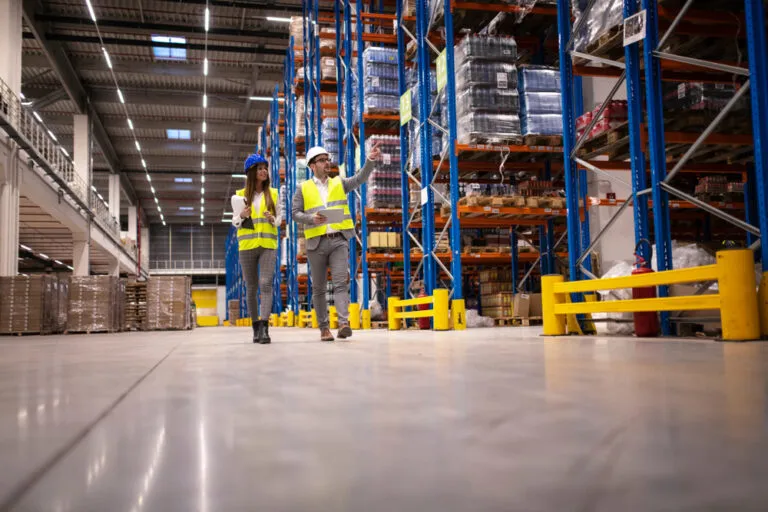
In addition to routine inspections, staff training is a critical component of safety in warehouses utilizing drive-in racking. Employees should be well-versed in the operation of forklifts and the specific protocols associated with navigating the drive-in system. This includes understanding the limitations of the racking, safe loading and unloading practices, and emergency procedures.
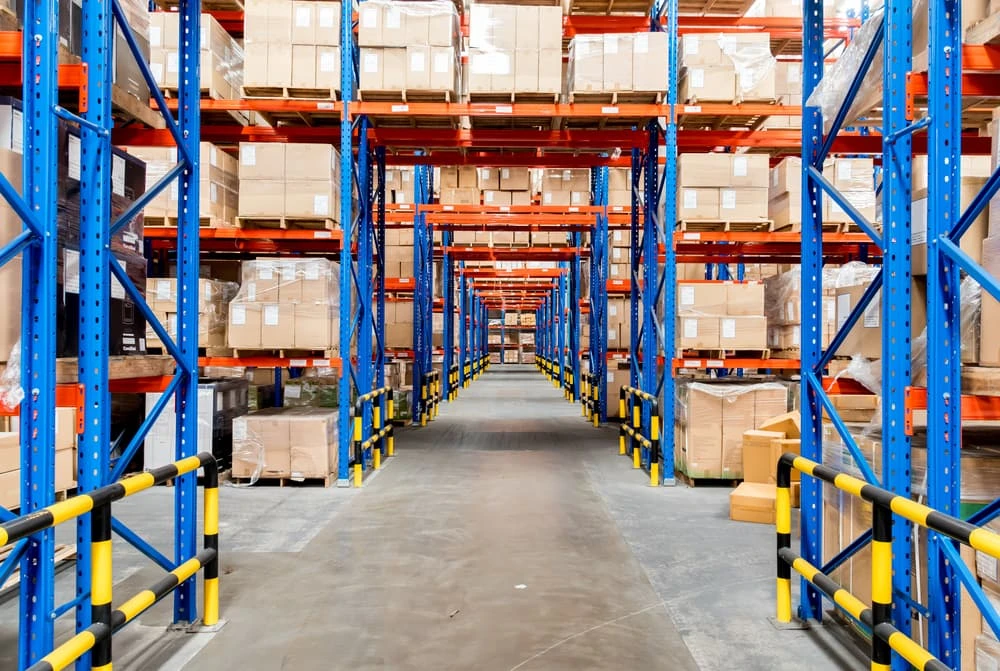
Warehouse managers should also consider implementing safety measures such as guardrails and safety barriers to protect both personnel and inventory. These precautions help to mitigate risks and create a safer operational environment.
Conclusion
In conclusion, drive-in pallet racking stands out as a highly effective storage solution for warehouses aiming to maximize space and streamline operations. Its design allows for high-density storage, ease of access, and adaptability to changing inventory levels. By focusing on thoughtful design, safety measures, and employee training, businesses can fully leverage the benefits of this innovative system. As organizations continue to seek ways to enhance their operational efficiency, incorporating drive-in pallet racking can play a pivotal role in achieving their goals. For those considering implementing this solution, Dalvie Systems offers expertise and guidance to ensure a successful integration into your warehouse operations.




























Sign in to leave a comment.