
Learn how the Medi humeral fracture brace supports upper arm fracture recovery, fit, comfort, daily use, and doctor-guided healing.
A broken upper arm can make simple things feel hard, like getting dressed, sleeping, walking, or even sitting comfortably. The humerus is the long bone between your shoulder and elbow. When it breaks, the arm often needs steady support so the bone can heal in the right position. A medi humeral fracture brace is made to support the upper arm after a fracture, injury, or surgery while allowing safer daily movement when your doctor says it is okay.
A humeral fracture brace is not a cure by itself. It is a support tool used as part of a treatment plan. Some humerus fractures may heal without surgery using a splint, cast, sling, or brace, while other fractures may need surgery depending on the break, alignment, and symptoms.
What Is a Medi Humeral Fracture Brace?
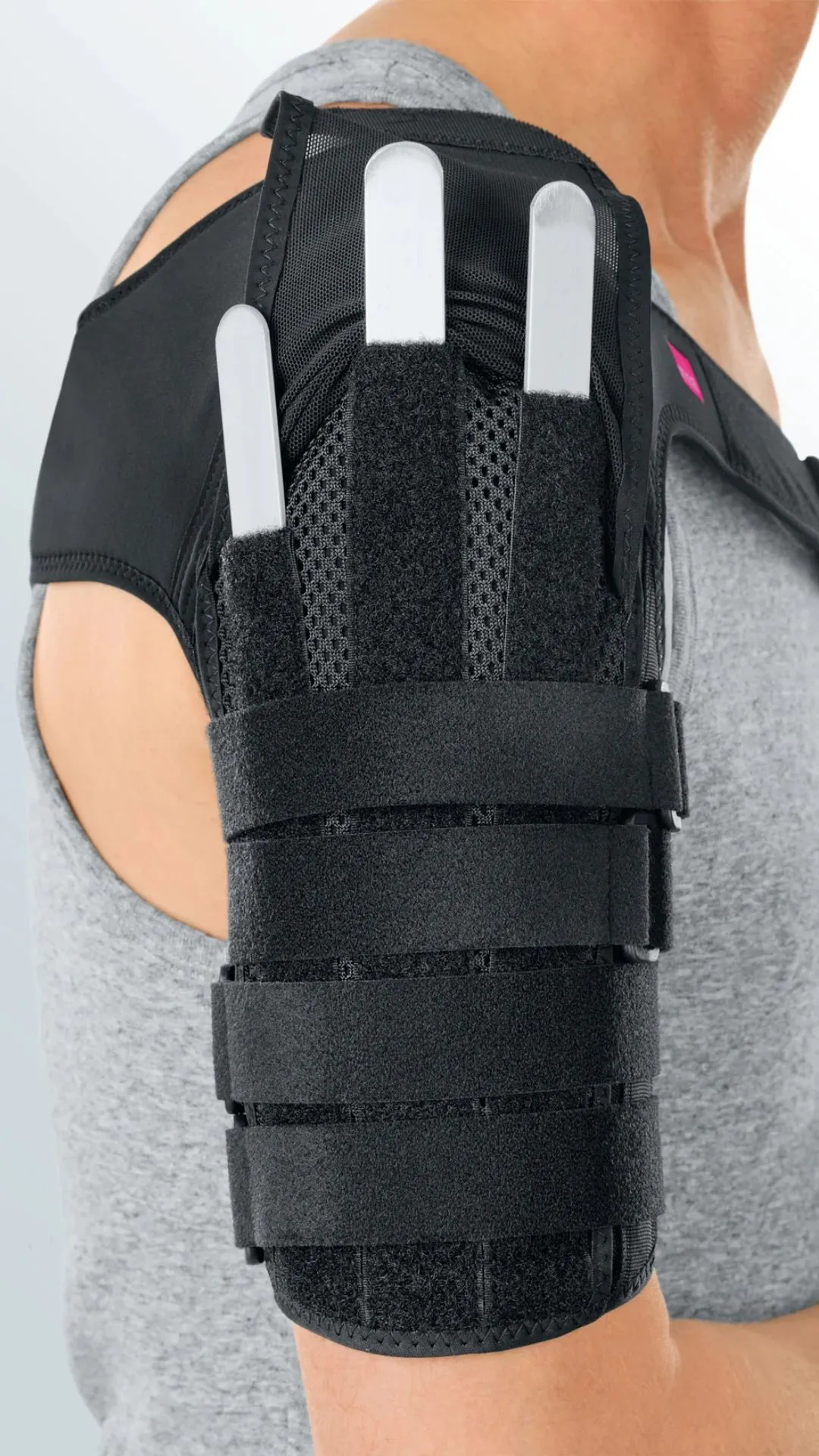
The medi humeral fracture brace is an upper arm brace designed to help stabilize the humerus after a break or injury. It wraps around the upper arm and applies controlled support. This helps reduce unwanted movement around the injured area.
DocOrtho lists the medi humeral fracture brace as a maximum-support brace used for fracture immobilization and healing, post-surgical shoulder recovery, shoulder sprains, strains, rotator cuff injuries, and post-injury arm stabilization.
The main job of the brace is to hold the upper arm more securely while healing takes place. It may be used after the early swelling stage, or after another type of splint has been used first. In many cases, a doctor, orthotist, or trained medical provider should guide fitting and use.
How the Medi Humeral Fracture Brace Helps Recovery
The medi humeral fracture brace supports healing by helping control arm movement. With a humeral shaft fracture, the goal is often to keep the bone lined up well enough for natural healing while protecting the arm from stress.
Functional bracing is commonly used for many humeral shaft fractures. Orthopedic guidance notes that nonoperative treatment can work well for many humeral shaft fractures without major displacement, and healing often takes place over a period of months.
A medi humeral fracture brace may help by:
- Supporting the upper arm from shoulder area to near the elbow
- Limiting twisting or bending forces around the fracture
- Allowing the elbow, wrist, and hand to move when approved
- Helping the patient stay more mobile than with some full immobilization methods
- Giving firm compression and support during daily recovery
This type of brace is often called a functional brace because it can support the fracture while still allowing some safe joint movement. That does not mean you should move freely right away. Always follow your doctor’s limits.
Who May Need a Medi Humeral Fracture Brace?
A medi humeral fracture brace may be used by people recovering from an upper arm fracture, especially a humeral shaft fracture. It may also be used after surgery or injury when the upper arm needs firm support.
You may need this brace if your doctor says your fracture is stable enough for bracing. It may also be helpful when you are moving from a splint into a more supportive brace. Some patients may not tolerate a functional brace immediately after injury, so a splint or cast may be used first for a short period before bracing starts.
This brace is not right for every fracture. Open fractures, nerve or blood vessel problems, severe displacement, or cases where the patient cannot safely follow bracing instructions may need other treatment. A doctor should make that decision.
How to Wear the Medi Humeral Fracture Brace Safely
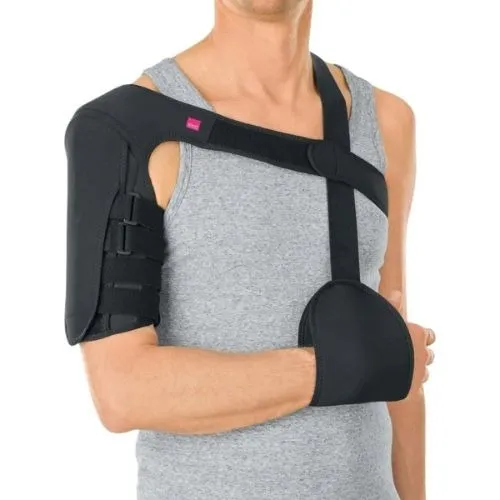
The medi humeral fracture brace should feel firm, supportive, and secure, but it should not cause sharp pain, numbness, blue fingers, or major swelling in the hand. The brace should hold the upper arm in place without cutting off blood flow.
Basic wear tips include:
- Wear it only as directed by your medical provider
- Keep the brace snug, not painfully tight
- Check your skin daily for redness, rubbing, or sores
- Keep your hand, wrist, and fingers moving if your doctor allows it
- Do not remove the brace unless your care team says it is safe
- Call your doctor if pain suddenly increases
A humeral brace often covers the upper arm from near the shoulder toward the elbow and wraps around the arm for support. The exact fit matters because poor placement can reduce support or irritate the skin.
Daily Life With a Medi Humeral Fracture Brace
Living with a medi humeral fracture brace takes patience. Dressing, sleeping, bathing, and sitting may need small changes. Loose shirts, button-front tops, and soft fabrics can make dressing easier. When sleeping, many people feel more comfortable resting upright or using pillows to support the arm.
Keep the brace dry unless your provider says it can handle moisture. Do not place creams or oils under the brace unless approved, because they can cause skin irritation. If the brace shifts, feels loose, or rubs one spot, contact your care team instead of trying to force a fix.
The medi humeral fracture brace can support daily movement, but it does not mean the arm is fully healed. Avoid lifting, pushing, pulling, driving, sports, or heavy work until your doctor clears you.
How Long Do You Wear a Medi Humeral Fracture Brace?
The time needed in a medi humeral fracture brace depends on the fracture, age, bone health, pain level, X-ray results, and doctor’s plan. Some patient guides note that a humeral fracture orthosis may be worn 24 hours a day for up to six weeks or longer.
Your provider may adjust the brace as swelling goes down. Follow-up visits are important because X-rays help show whether the bone is staying aligned and healing properly. Do not stop wearing the brace early just because pain improves.
Frequently Asked Questions
What is a humeral fracture brace used for?
A humeral fracture brace is used to support and stabilize the upper arm after a humerus fracture. It helps limit unwanted movement around the broken bone while healing takes place.
Can a humerus fracture heal with a brace?
Yes, some humerus fractures can heal with non-surgical care such as a splint, sling, cast, or brace. The fracture type and alignment decide whether bracing is safe.
Is the medi humeral fracture brace comfortable?
The medi humeral fracture brace is made to give firm support, but comfort depends on fit, swelling, skin condition, and proper use. It should feel secure, not painfully tight.
Can I sleep with a humeral fracture brace?
Many patients are told to wear the brace while sleeping, but this depends on the doctor’s plan. Pillows can help support the arm and reduce pulling while resting.
Can I remove the brace to shower?
Only remove the medi humeral fracture brace if your doctor or orthotist says it is safe. Removing it too early or too often may affect fracture support.
When should I call my doctor while wearing the brace?
Call your doctor if you have severe pain, numb fingers, blue or cold hands, sudden swelling, skin wounds, fever, or if the brace becomes loose and no longer supports your arm.
Conclusion
The medi humeral fracture brace can be a helpful support for upper arm fracture recovery when used under medical guidance. It helps stabilize the humerus, protect the injury, and support safer daily movement during healing. The most important thing is proper fitting, regular follow-up, and following your doctor’s instructions until the bone has healed enough for normal activity.




























Sign in to leave a comment.