

Electronic Health Records (EHRs) have transformed modern healthcare, offering improved accessibility, better care coordination, and enhanced data management. Yet for many providers, EHR systems often feel more like a burden than a benefit. Excessive documentation requirements, complex interfaces, and time-consuming workflows can slow down clinical efficiency and contribute to physician burnout. This is where medical scribing and EHR optimization come together as a powerful solution.
By combining skilled medical scribes with strategic system improvements, healthcare organizations can unlock the full potential of their EHR systems—improving accuracy, efficiency, and overall patient care.
The Challenge of EHR Systems
EHR systems were designed to streamline clinical documentation and enhance patient outcomes. However, in practice, many providers spend more time navigating templates and entering data than engaging with patients. Studies have shown that physicians often devote hours each day to documentation, with a significant portion of that time occurring after clinic hours.
Common EHR challenges include:
- Inefficient workflows and redundant data entry
- Poorly designed templates that don’t match clinical needs
- Alert fatigue from excessive notifications
- Limited customization for specialty-specific documentation
Without proper optimization, these issues can reduce productivity and increase the risk of documentation errors.
The Role of Medical Scribes in EHR Efficiency
Medical scribes play a critical role in bridging the gap between clinical care and documentation requirements. By handling real-time charting during patient encounters, scribes allow physicians to focus on what matters most—patient care.
Here’s how scribes enhance EHR efficiency:
1. Real-Time Documentation
Scribes document patient visits as they happen, ensuring that all relevant information is captured accurately and immediately. This reduces the need for physicians to recall details later, minimizing errors and omissions.
2. Improved Workflow Management
With a scribe managing data entry, physicians can move more smoothly from one patient to the next. This leads to shorter wait times, increased patient throughput, and a more organized clinical environment.
3. Reduced Administrative Burden
By offloading documentation tasks, scribes significantly reduce the administrative workload on providers. This not only improves efficiency but also helps reduce burnout and after-hours charting.
What Is EHR Optimization?
EHR optimization involves refining and customizing your system to better align with clinical workflows and organizational goals. It’s not about replacing your EHR—it’s about making it work smarter.
Optimization strategies typically include:
- Streamlining templates and removing unnecessary fields
- Customizing workflows for different specialties
- Integrating automation tools such as macros and shortcuts
- Enhancing system usability through better interface design
When done correctly, EHR optimization can dramatically improve both speed and accuracy in documentation.
The Synergy Between Scribes and EHR Optimization
While EHR optimization improves the system itself, medical scribes enhance how the system is used. Together, they create a more efficient and effective documentation process.
1. Maximizing Template Efficiency
Optimized templates are only effective if used correctly. Scribes are trained to navigate these templates efficiently, ensuring that all required information is captured without unnecessary duplication.
2. Better Data Quality
Accurate and consistent documentation is essential for billing, compliance, and patient care. Scribes help maintain high-quality data entry, while optimized EHR systems ensure that information is structured and accessible.
3. Faster Adoption of System Improvements
When new EHR features or updates are introduced, scribes can quickly adapt and implement them in daily workflows. This helps practices take full advantage of system enhancements without disrupting operations.
4. Enhanced Provider Experience
A well-optimized EHR combined with scribe support allows physicians to spend less time clicking and typing, and more time interacting with patients. This leads to higher job satisfaction and better overall performance.
Key Benefits of Combining Scribes with EHR Optimization
Healthcare organizations that integrate both strategies often experience measurable improvements:
- Increased Productivity: Providers can see more patients without sacrificing quality of care.
- Improved Documentation Accuracy: Real-time charting reduces errors and ensures completeness.
- Reduced Burnout: Less administrative work means better work-life balance for clinicians.
- Higher Revenue Capture: Accurate documentation supports proper coding and billing.
- Better Patient Experience: More face-to-face interaction leads to stronger patient relationships.
Best Practices for Implementation
To get the most out of medical scribing and EHR optimization, healthcare organizations should follow a strategic approach:
1. Assess Current Workflows
Identify bottlenecks and inefficiencies in your existing EHR processes. Understanding where time is lost is the first step toward improvement.
2. Customize the EHR System
Work with IT teams or vendors to tailor templates, workflows, and features to your specific clinical needs.
3. Train Scribes Effectively
Ensure that scribes are well-versed in both medical terminology and your EHR system. Continuous training helps maintain high performance.
4. Encourage Provider Feedback
Physicians and staff should have a voice in how the system evolves. Regular feedback helps refine both scribing practices and EHR configurations.
5. Monitor Performance Metrics
Track key indicators such as documentation time, patient throughput, and error rates to measure the impact of your efforts.
The Future of EHR Optimization and Scribing
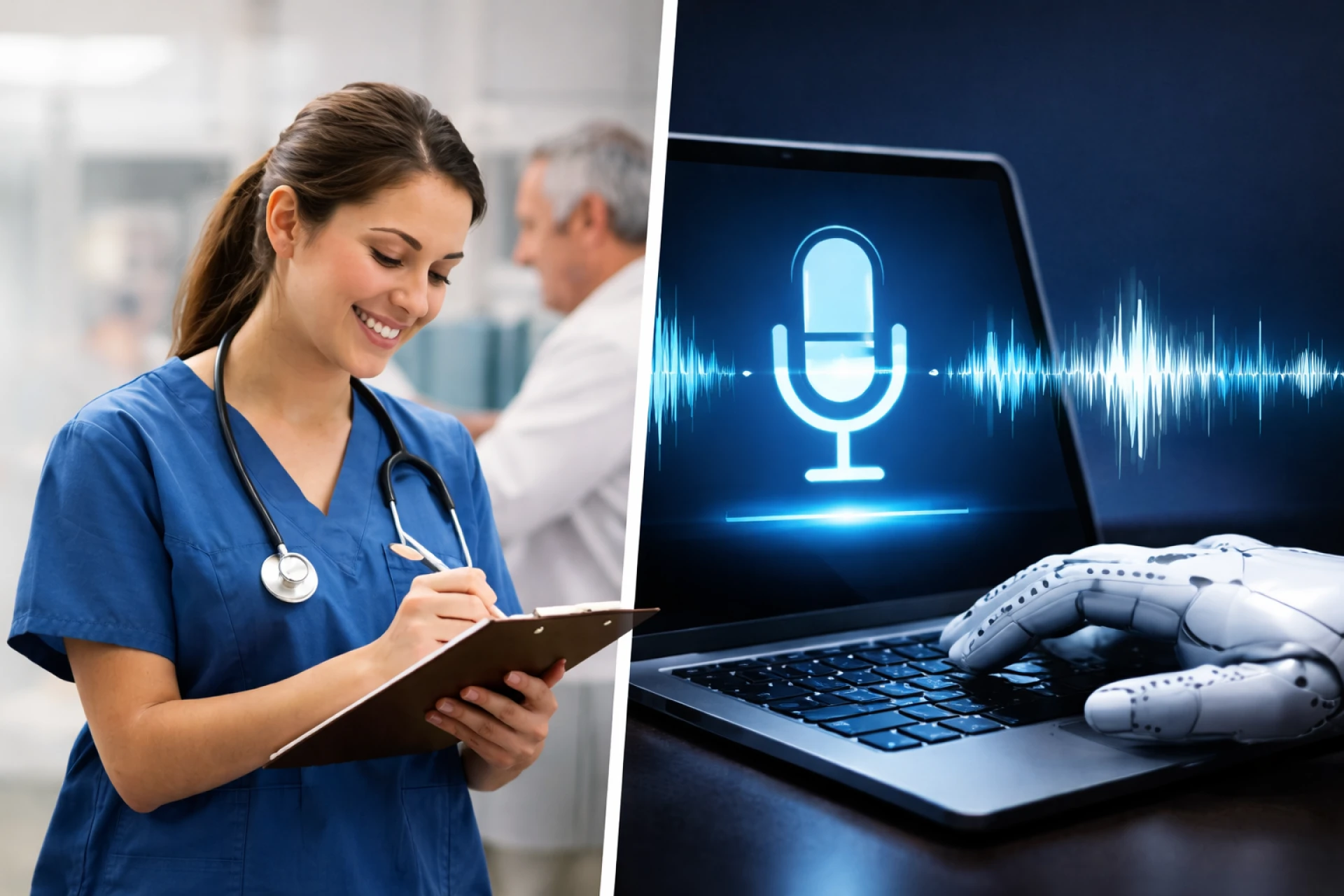
As healthcare technology continues to evolve, the role of medical scribes is also expanding. Many organizations are now incorporating virtual scribes, AI-assisted documentation tools, and advanced analytics into their workflows.
However, even with these advancements, the human element remains essential. Scribes bring contextual understanding, adaptability, and accuracy that technology alone cannot fully replicate. When combined with a well-optimized EHR system, they create a powerful framework for efficient, high-quality care.
Conclusion
EHR systems are a vital component of modern healthcare, but their true value depends on how effectively they are used. Medical scribing and EHR optimization offer a practical, proven way to overcome common challenges and maximize system performance.
By investing in both strategies, healthcare organizations can reduce administrative burden, improve documentation accuracy, and enhance the overall provider and patient experience. In a landscape where efficiency and quality are more important than ever, this combined approach is not just beneficial—it’s essential.






























Sign in to leave a comment.