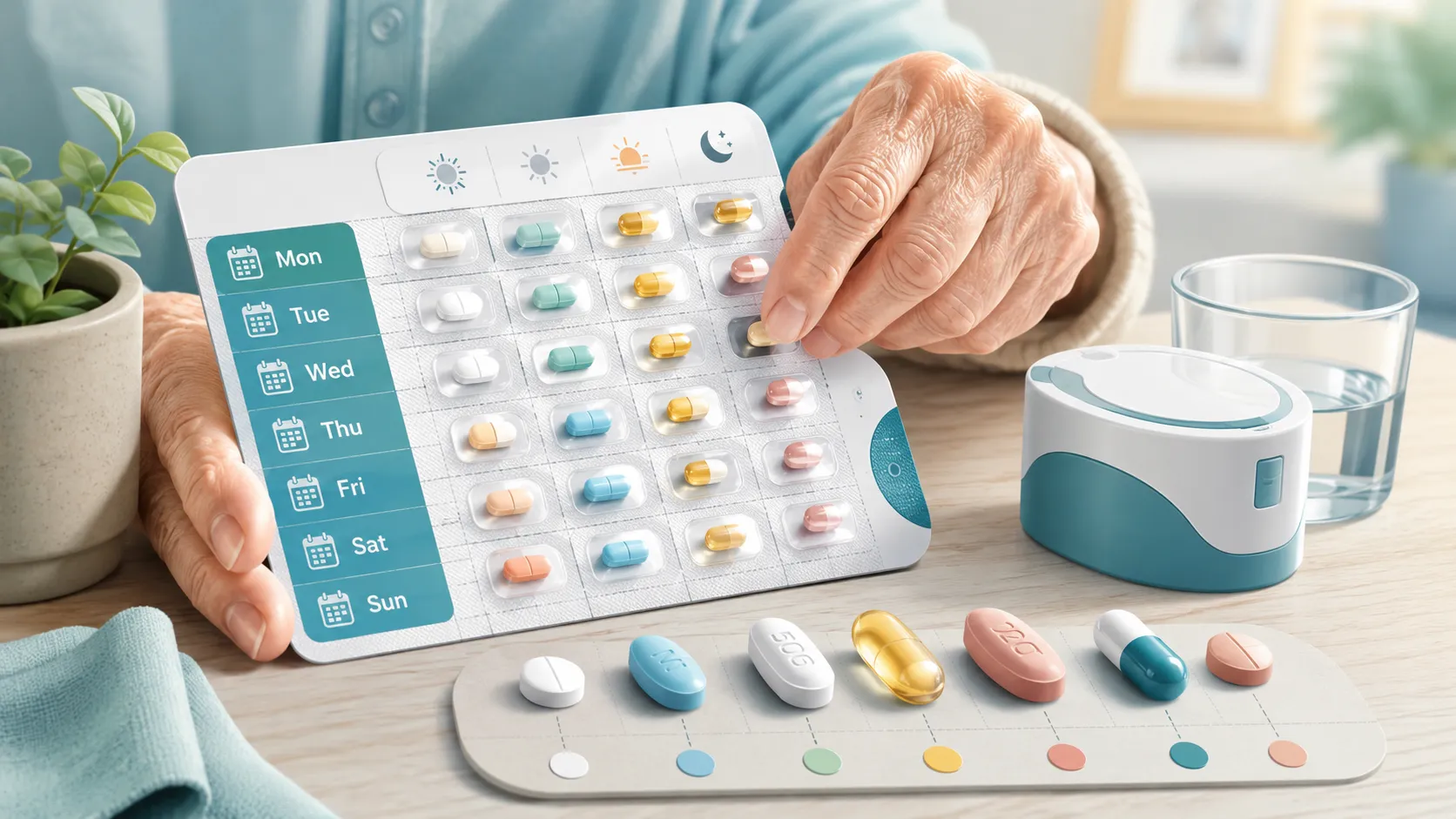

Medication adherence is one of the most important challenges in chronic disease management, especially among elderly patients. Older patients are often prescribed multiple medicines every day, yet they also experience some of the lowest adherence rates across common chronic therapies.
This makes medication adherence not only a behavioural concern, but also a product design priority.
The Challenge of Complex Medicine Regimens
Many elderly patients manage five or more medicines per day. A complex regimen increases the chances of missed doses, incorrect timing, or accidental duplication. Adherence also decreases as dosage frequency increases. A once-daily medicine is easier to follow than one that needs to be taken multiple times a day.
For patients managing several chronic conditions, each additional medicine adds cognitive burden.
Pill Identification and Patient Safety
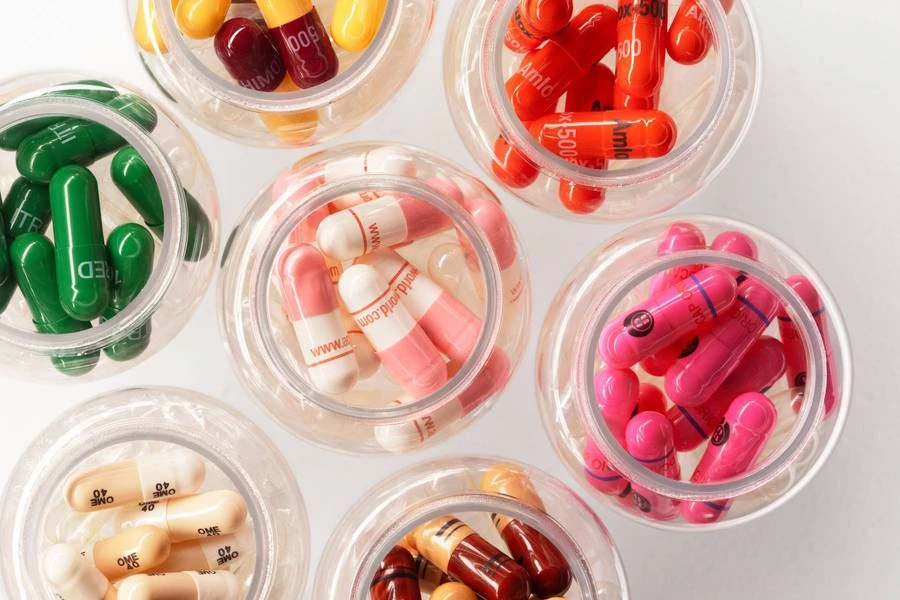
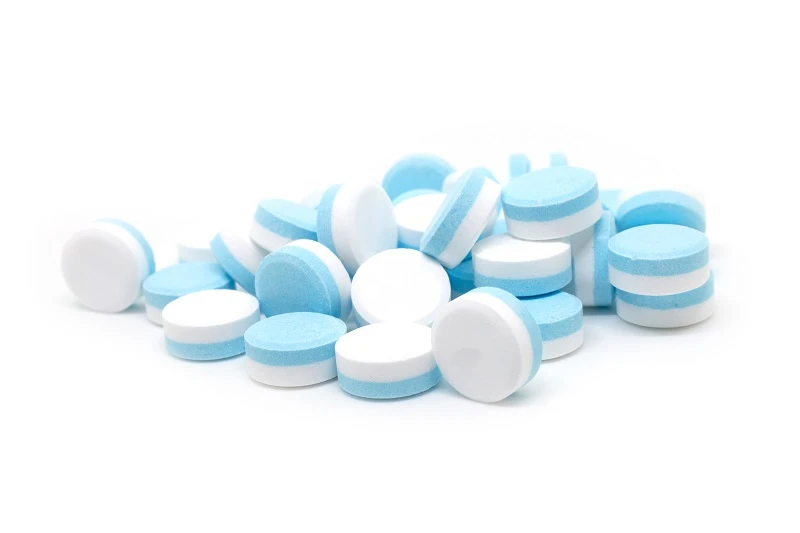
Many patients identify their medicines visually. They rely on pill colour, shape, size, or markings. However, when multiple pills look similar, especially for patients with poor eyesight, identification errors can occur.
Product-level solutions such as tablet embossing, capsule printing, colour coding, and fixed dose combinations can help improve differentiation and reduce confusion.
Swallowing Difficulty and Dosage Form Design
Swallowing difficulty is a major barrier for elderly patients. Large tablets and capsules can cause discomfort, gagging, or fear of choking. In some care settings, medicines are crushed or split to make swallowing easier. However, this can affect modified-release or enteric-coated products and reduce treatment effectiveness.
Alternative dosage forms such as orally disintegrating tablets, effervescent tablets, sprinkle capsules, and multiple unit pellet systems can help patients who struggle with swallowing. Simpler design improvements, such as film-coated tablets, smoother capsules, and oval tablet shapes, can also improve usability.
Packaging and Accessibility
Packaging is the patient’s first physical interaction with the medicine. If the packaging is difficult to open, adherence may be affected before the dose is even taken.
Elderly patients may struggle with push-and-twist caps, standard child-resistant closures, or difficult blister packs. Calendar blister packs and senior-friendly packaging can help patients track doses and access medicines more easily.
Packaging design should support both safety and usability.
A Patient-Centric Approach to Medicine Design
Medication adherence is influenced by multiple factors at the same time: regimen complexity, pill identification, swallowability, and packaging accessibility. These challenges should not be considered separately.
Pharmaceutical product teams should ask:
Can the patient identify the medicine easily?
Can the patient swallow it comfortably?
Can the patient open the package without difficulty?
Can the patient follow the regimen consistently?
The goal should move beyond technical compliance and include real-world usability.
Medication adherence should be built into formulation and packaging decisions from the beginning. Better product design can reduce errors, improve consistency, and support better therapeutic outcomes.
Original source:
https://www.acg-world.com/blogs/medication-adherence-should-be-product-design-priority



















Sign in to leave a comment.