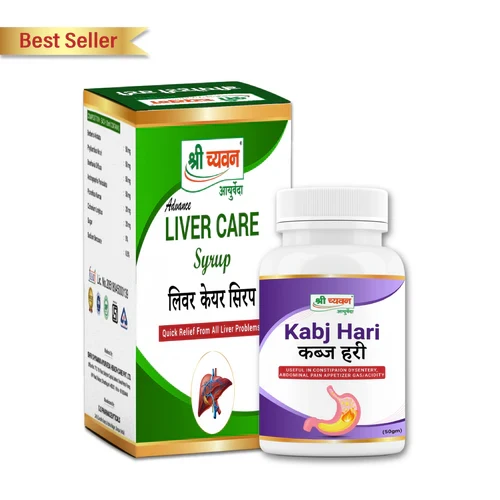

Constipation has a way of sneaking up on people. One skipped morning. Then another. Suddenly you’re standing in the kitchen at 6 a.m., coffee in hand, body refusing to cooperate. Annoying doesn’t even cover it. Most folks don’t talk about it openly, but everyone’s been there at least once. That awkward search for something that actually works, something that brings relief without turning your stomach into a battlefield. Somewhere in that search, Immediate Constipation Relief Medicine tends to pop up mid-scroll, right between home remedies and advice that feels… half-baked at best.
Constipation isn’t always dramatic. Sometimes it’s subtle. Hard stools. A heavy feeling. That sense of being backed up even after trying all the “usual tricks.” Water. Fiber. Walking around the house like it might magically fix things. When it doesn’t, medicine becomes the next step.
Why constipation feels different for everyone
Some people get constipated after travel. Others blame stress, late dinners, or too much tea. I’ve noticed it hits harder during routine changes. New job hours. Less movement. Eating meals at odd times. The gut likes rhythm. Disrupt it, and it protests quietly at first.
Medicines for constipation often aim to nudge the system, not force it. That difference matters. Aggressive options can lead to cramping, urgency, or dependence. Gentler ones work with the digestive process, giving the body a push instead of a shove.
Types of medicines people reach for
There isn’t one single solution. Different bodies respond to different approaches. Here’s what usually comes up in conversations, clinics, and pharmacy counters.
Stool softeners
These help by drawing moisture into stools. Helpful when stools feel dry or painful. Not instant for everyone, but often reliable over a day or two.
Osmotic laxatives
They work by pulling water into the intestines. Results can be quicker. Some people feel bloated at first. Others feel sweet relief after days of discomfort.
Herbal and Ayurvedic options
A lot of people lean here when constipation becomes frequent. Herbs like Triphala, Isabgol husk, and Senna have been used for ages. Triphala feels milder, often preferred for regular use. Senna acts faster, though some folks avoid using it daily.
Lubricant-based options
These coat the stool, making passage smoother. Useful short-term. Not something most want to rely on too often.
Ayurvedic views on quick relief
Ayurveda connects constipation with something called “Vata imbalance.” Dryness, irregularity, restlessness. Makes sense, honestly. Dry stool, irregular bowels, restless mornings. Ayurvedic medicines often combine herbs that support bowel movement while calming digestion.
Isabgol mixed with warm water at night is common advice. Ghee with warm milk shows up too, especially in colder months. Some people swear by it. Others feel unsure after the first try. That hesitation is normal.
Ayurvedic formulations meant for quicker relief usually aim to soften stool and encourage movement by morning. Not violently. More like a gentle reminder to the gut.
When people want relief fast
There’s a difference between ongoing constipation and “I need help today.” Travel days. Important meetings. Weddings. That pressure makes people look for medicines labeled for prompt relief. These often act within hours.
Still, faster doesn’t always feel better. Cramping can show up. Sudden urgency can catch people off guard. That’s why many prefer something that works overnight rather than within minutes.
A pharmacist once told me most complaints come from people who expected instant relief and got discomfort instead. That stuck with me.
Small habits that support medicines
Medicines work better when habits don’t fight them. Warm water in the morning helps more than iced drinks. Sitting without rushing helps too. Sounds silly, but the body senses stress.
Fiber helps, though adding too much suddenly can backfire. Ever tried doubling fiber overnight? Not pleasant. Gradual changes feel kinder.
Movement matters. Even a short walk after meals can make a difference. I’ve felt it myself. Sitting all day does no favors to digestion.
Signs it’s more than just constipation
Sometimes constipation sticks around despite trying everything. Weeks pass. Medicines lose effect. That’s a sign to pause and check deeper causes. Hormonal changes. Medications. Digestive disorders.
Ignoring long-term constipation isn’t wise. Straining becomes routine. Discomfort grows. Listening early helps avoid bigger issues later.
Choosing what feels right
Some people prefer tablets. Others powders. Liquids. Taste matters more than we admit. A bitter medicine is hard to stay consistent with. If you dread taking it, chances are you’ll skip it.
Relief should feel relieving. Not scary. Not punishing.
Constipation is one of those conditions that humbles everyone sooner or later. It teaches patience. Awareness. A bit of humor too, once relief finally comes.
And when it does, that quiet moment of comfort feels oddly satisfying. Like your body saying, “Okay. We’re back on track.”






























Sign in to leave a comment.