
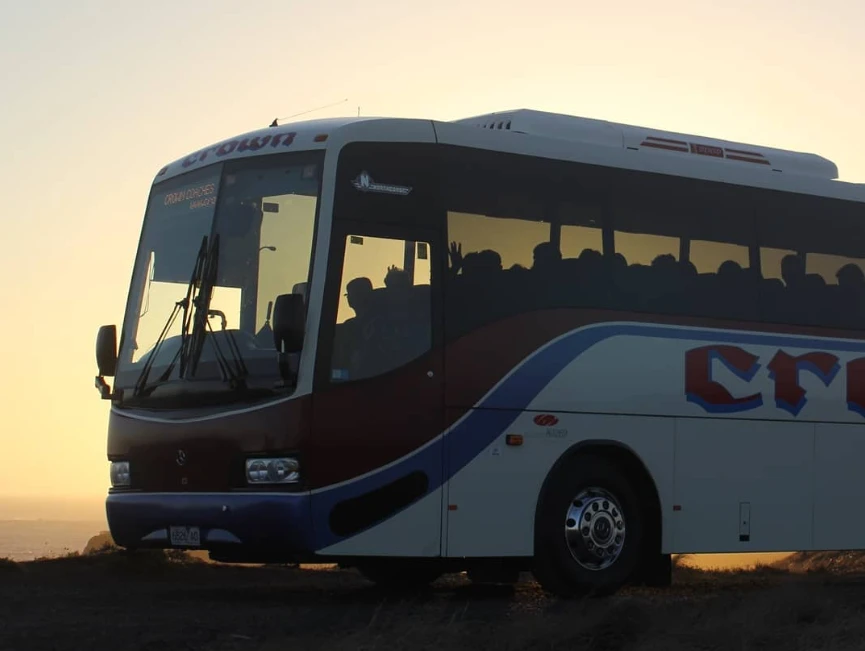
In Melbourne, the “chance of showers” line can turn into a proper downpour right when a class steps off the bus. I used to treat wet weather like a last-minute inconvenience. Now I treat it like a predictable scenario with a short switch-over plan. The aim isn’t to redesign the whole excursion. It’s to protect the parts of the day that fall apart first: loading zones, student comfort, and timing.
The first thing I adjust is arrival flow. In rain, students move slower, carry more gear, and bunch up under any cover they can find. That bunching is when groups split and headcounts get messy. I set one covered regroup point (even if it’s not perfect) and I make sure everyone knows we don’t move on until the whole group is there.
The second change is what students carry in hand. Wet days turn loose items into dropped items. I ask for hands free: bag on, hood up, and any umbrellas kept closed until we’re off the curb. Umbrellas near a bus door are a hazard—pokes, drips, tangled straps—so I keep it simple.
The third change is time buffers. Five minutes disappears fast when you add wet shoes, toilet queues, and slower boarding. I don’t try to “make up time” by rushing the curb. I’d rather arrive a few minutes later than create a chaotic unload.
Transport and pickup plans in wet weather
Rain changes the risk profile around the bus more than anything else. Kerbs get slippery, visibility drops, and students instinctively hurry—exactly when they should slow down. The best wet-weather transport plans focus on safe transitions, not speed.
I confirm the pickup and drop-off points again on the morning of travel, because some venues block certain areas in wet conditions or redirect traffic. If the planned bay is unusable, I want a backup that still gives us footpath space. A narrow curb with puddles is where students step sideways into the road because they’re trying to avoid getting soaked.
This is also when I pay attention to what type of trip it is. On a regular day with school bus services, students often have an established routine: line up, board, sit, settle. I lean into that familiarity. Wet weather is not the time to introduce new systems like “everyone pick any door” or “sit wherever you want.” Predictable routines reduce pushing and keep the aisle clear.
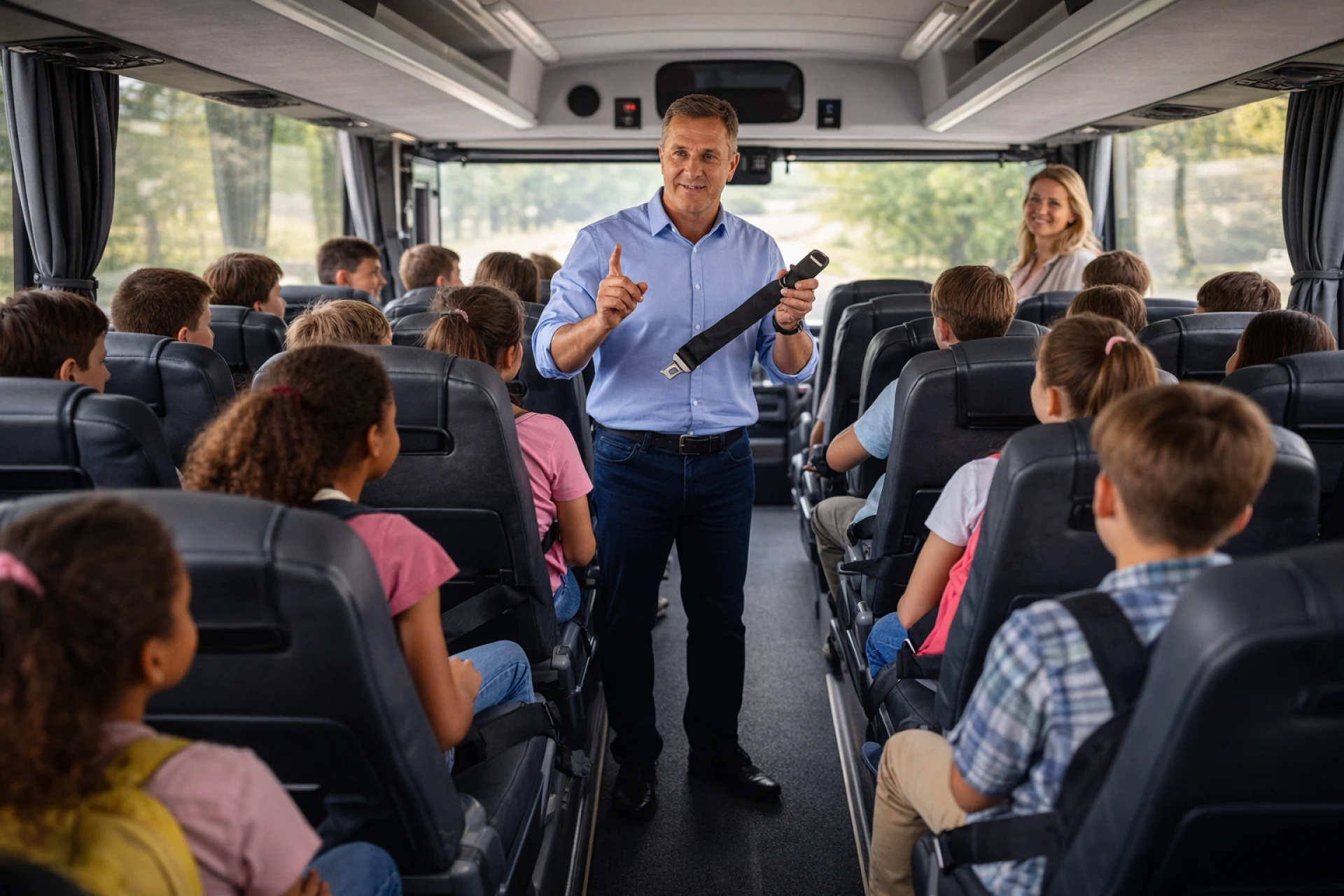
For excursion days, I keep the boarding rule consistent: row-by-row, bags placed away from the aisle, sit first, then adjust jackets. If a student drops something, they tell an adult once seated. I don’t want kids bending down on wet steps while others are behind them.
If the rain is heavy, I also plan for a slightly longer loading window at the end of the day. The “everyone rush at once” exit creates slips, lost property, and arguments. A calm, staged exit is safer and usually faster overall.
What stays the same, even when the weather doesn’t cooperate
Wet weather can trick people into rewriting too much. Some things should stay exactly the same because they’re the backbone of supervision.
Headcounts don’t change.
If anything, they become more important. I still do them at the same points: before departure, after stops, and before leaving a venue. Rain makes groups huddle and drift, so I count when the group is still.
Behaviour expectations don’t change.
Rain doesn’t excuse standing in aisles, shouting, or seat swapping. If I relax rules because everyone is “a bit wet and grumpy,” the bus becomes louder and less safe. I keep the expectations short: stay seated, keep hands to yourself, bus-volume voices.
Medical and wellbeing routines don’t change.
Wet days can trigger asthma, sensory overload, and general discomfort. I keep the check-in rhythm steady and discreet. It’s better to address small discomfort early than deal with a full shutdown later.
Communication stays simple.
Families don’t need a running commentary; they need one clear message if timing changes. The structure stays the same: what’s happening, ETA, where students are waiting, and when the next update will be.
This is also when the planning side matters. When schools arrange coach hire melbourne during peak season, rain can easily stack delays on top of traffic and venue congestion. A realistic buffer and a clear pickup plan are the difference between “slightly late” and “chaos at the curb.”
The wet-weather kit and the small decisions that save the day
A good wet-weather plan is mostly small decisions made early. These are the ones that have helped the most:
- One clear covered regroup point (students don’t choose their own shelter spots)
- A “hands free” rule for boarding and exiting
- A spare towel or wipes in the staff kit (wet seats and wet hands cause complaints fast)
- A plastic bag plan for wet jackets and muddy shoes (even just “bag it, don’t shake it”)
- A venue entry plan that avoids bottleneck doors where students pile up and drip everywhere
- A shortened “nice-to-have” schedule if timing slips (drop the non-essentials, keep the core activity)
If it’s raining hard, I also think about student comfort in a practical way: who needs to be near an adult, who gets overwhelmed by wet clothes and noise, and who might need a quick reset once inside. Those small supports prevent the wet-weather mood spiral where everyone gets snappy for no real reason.
Rain changes the edges of the day—curbs, doorways, timing, and comfort—but it shouldn’t change the core structure. When the structure holds, the excursion still feels organised, even if everyone arrives with damp socks.


























Sign in to leave a comment.