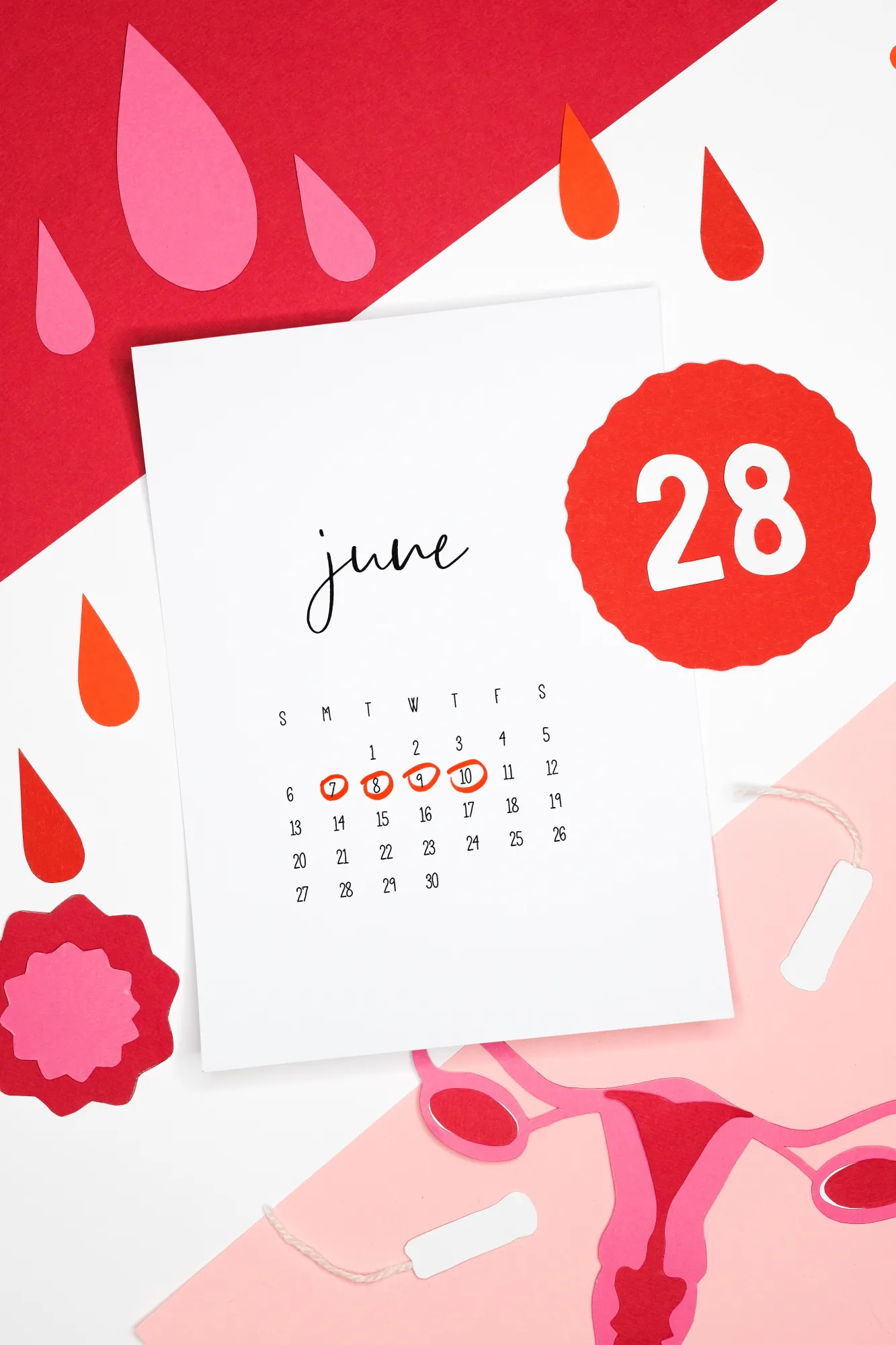

Menarche is an important milestone in every girl's life. It marks the beginning of menstruation and signals that the body has entered puberty. For many families, understanding the menarche age India can help reduce anxiety and prepare girls for this natural transition. While every child develops at a different pace, knowing what is considered normal can make the experience less confusing and more empowering.
In this guide, you'll learn about the average age of menarche in India, the factors that influence it, first period what to expect, and when irregular cycles, including periods twice a month causes, may require medical attention.
What Is Menarche?
Menarche is the medical term for a girl's first menstrual period. It is one of the final stages of puberty and indicates that the reproductive system has started functioning. However, having a first period does not necessarily mean a girl is physically or emotionally ready for pregnancy. The body continues to mature for several years after menarche.
Parents, teachers, and caregivers should discuss menstruation before it begins so girls feel prepared rather than frightened.
Menarche Age India: What Is the Average?
The average menarche age India is between 11 and 13 years, although many healthy girls experience their first period anywhere from 9 to 15 years. This range is considered normal.
Several studies suggest that improved nutrition, healthcare, and living conditions have slightly lowered the average age of menarche over the years. However, age can still vary depending on individual health and genetics.
If a girl starts menstruating before age 8 or has not had her first period by age 15, it is advisable to consult a healthcare professional for evaluation.
Factors That Affect Menarche Age
Many factors influence when menstruation begins.
Genetics
A girl's first period often occurs around the same age as her mother or older sisters experienced theirs.
Nutrition
A balanced diet rich in vitamins, minerals, protein, and healthy fats supports healthy growth and puberty. Poor nutrition or severe undernutrition may delay menarche.
Body Weight
Girls with very low body weight may experience delayed menstruation, while higher body fat levels may contribute to an earlier onset of puberty.
Physical Activity
Intense athletic training, especially when combined with low calorie intake, can delay the first period.
Overall Health
Certain medical conditions, hormonal disorders, or chronic illnesses can affect the timing of puberty and menstruation.
First Period What to Expect
Many girls wonder about first period what to expect before menstruation begins. Understanding the changes can help reduce fear and build confidence.
Some common experiences include:
- Light spotting or a small amount of blood
- Blood that appears red, brown, or dark brown
- Mild cramps in the lower abdomen
- Breast tenderness
- Mood changes
- Feeling tired
- A period lasting between 2 and 7 days
The first few periods are often irregular because hormone levels are still adjusting. Some girls may skip months between periods during the first year or two after menarche.
It is also normal for menstrual flow to be lighter or heavier than expected during the initial cycles.
Signs That the First Period Is Approaching
The body usually gives several signs before menstruation starts.
These include:
- Breast development
- Growth of pubic and underarm hair
- Increased height and weight
- Clear or white vaginal discharge
- Mild acne
- Body odor changes
These changes usually begin one to three years before the first menstrual period.
How to Prepare for the First Period
Preparation can make the experience much less stressful.
Helpful tips include:
- Keep sanitary pads available at home and school.
- Carry an extra pair of underwear.
- Learn how to use menstrual products correctly.
- Wear comfortable clothing.
- Track menstrual dates after the first period begins.
- Speak openly with a trusted parent, guardian, or healthcare provider if there are concerns.
Education before menarche helps girls understand that menstruation is a healthy and natural body function.
Are Irregular Periods Normal After Menarche?
Yes. During the first two to three years after menarche, menstrual cycles often remain irregular.
The ovaries may not release an egg every month, leading to variations in cycle length. Periods may arrive early, late, or occasionally skip a month.
Most girls gradually develop a more predictable menstrual cycle as hormone levels stabilize.
Periods Twice a Month Causes
One concern many families have is understanding periods twice a month causes. Although irregular cycles are common soon after menarche, frequent bleeding should still be monitored.
Possible causes include:
Hormonal Changes
Hormones fluctuate significantly during the first few years after menstruation begins, making cycles shorter than usual.
Short Menstrual Cycles
Some girls naturally have cycles lasting around 21 days, which can result in two periods within a calendar month.
Stress
Emotional stress, school pressure, or major lifestyle changes can temporarily affect menstrual hormones.
Weight Changes
Rapid weight gain or weight loss may disrupt normal hormone production.
Thyroid Disorders
An underactive or overactive thyroid gland can influence menstrual patterns.
Polycystic Ovary Syndrome (PCOS)
PCOS can cause irregular bleeding, although it is usually diagnosed after menstrual cycles have had time to mature.
Certain Medications
Some medicines or hormonal treatments may alter menstrual frequency.
If periods are consistently occurring twice every month, involve very heavy bleeding, severe pain, or continue for several months, medical evaluation is recommended.
When Should You See a Doctor?
Consult a healthcare provider if:
- Menstruation starts before age 8.
- There is no first period by age 15.
- Periods remain extremely irregular after three years.
- Bleeding is unusually heavy.
- Severe pelvic pain accompanies periods.
- Periods occur twice every month for several consecutive months.
- There are symptoms such as dizziness, fainting, or extreme fatigue.
Early assessment can identify hormonal or medical conditions that may require treatment.
Tips for Healthy Menstrual Care
Maintaining good menstrual health begins with healthy daily habits.
Some practical recommendations include:
- Eat a balanced diet rich in iron and calcium.
- Drink plenty of water.
- Exercise regularly.
- Get adequate sleep.
- Change sanitary pads every 4 to 6 hours or as needed.
- Maintain proper intimate hygiene.
- Track menstrual cycles using a calendar or period-tracking app.
Healthy habits support overall well-being and may help regulate menstrual cycles over time.
Final Thoughts
Understanding the menarche age India helps families prepare girls for one of the most important milestones of puberty. Although the average age is between 11 and 13 years, every girl develops at her own pace. Knowing first period what to expect can reduce anxiety and make the experience more comfortable.
It is equally important to understand periods twice a month causes, especially during the early years after menarche. While irregular cycles are often a normal part of puberty, persistent or heavy bleeding should always be discussed with a healthcare professional.
With accurate information, emotional support, and proper menstrual hygiene, girls can approach their first period with confidence and develop healthy menstrual habits for life.
Frequently Asked Questions (FAQs)
1. What is the average menarche age in India?
The average menarche age India is between 11 and 13 years, although a healthy first period may occur anytime between 9 and 15 years.
2. What should I expect during my first period?
If you're wondering first period what to expect, you may notice light bleeding, mild cramps, mood changes, and a period lasting 2 to 7 days. The first few cycles are often irregular.
3. Is it normal for periods to be irregular after the first period?
Yes. Irregular periods are common during the first two to three years after menarche because hormones are still developing.
4. What are the common periods twice a month causes?
Common periods twice a month causes include hormonal fluctuations, short menstrual cycles, stress, weight changes, thyroid disorders, PCOS, and certain medications.
5. When should a girl see a doctor about her first period?
Medical advice is recommended if menstruation starts before age 8, has not started by age 15, bleeding is very heavy, periods remain highly irregular for years, or menstrual pain is severe.




























Sign in to leave a comment.