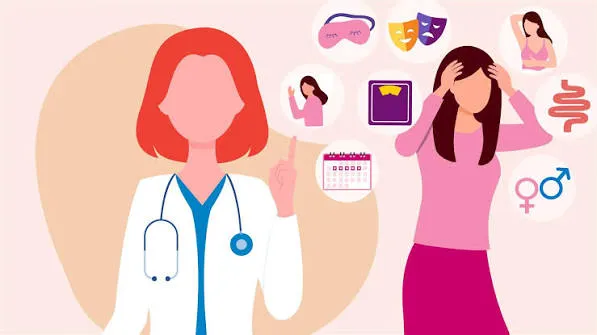

Hormonal changes affect everyone differently. Some people move through perimenopause and menopause with few difficulties, while others experience symptoms that interfere with sleep, relationships, work and everyday life.
Understanding these changes begins with three things: recognising the symptoms, looking beyond the symptoms and finding support that considers the whole person.
1. Recognise What Your Body Is Experiencing
Perimenopause is the time leading up to menopause. It commonly begins during the forties, although it can start earlier. During this stage, periods may become irregular, lighter, heavier or less predictable.
Menopause is reached when you have not had a period for 12 consecutive months. Some symptoms improve after periods stop, while others may continue for months or years.
Common symptoms can include:
- Hot flushes and night sweats
- Difficulty sleeping
- Anxiety, low mood or mood changes
- Vaginal dryness and discomfort
- Reduced sexual desire
- Changes in weight, hair or skin
- Problems with memory or concentration
- Muscle and joint discomfort
Falling oestrogen levels can also contribute to a loss of bone density, increasing the longer-term risk of osteoporosis.
Hot Flushes: Three Common Questions
What causes hot flushes during menopause?
Hot flushes are associated with changing hormone levels, particularly the decline in oestrogen during perimenopause and menopause. These hormonal changes affect the part of the brain that regulates body temperature.
This can cause a sudden sensation of heat, commonly affecting the face, neck and chest. A hot flush may be accompanied by sweating, reddening of the skin, a rapid heartbeat or discomfort. Some people also experience chills as the flush passes.
Can lifestyle changes help with hot flushes?
Lifestyle changes may help some people reduce or manage their hot flushes. Three useful areas to consider are:
- Eating a balanced diet and taking regular physical activity
- Managing stress and maintaining a consistent sleep routine
- Identifying personal triggers, which may include spicy foods, caffeine, alcohol, smoking or hot environments
Traditional homeopathic practice selects remedies according to the individual’s overall pattern of symptoms rather than treating hot flushes as an isolated problem.
Can homeopathy be used alongside conventional menopause treatments?
Highly diluted homeopathic remedies are unlikely to interact directly with prescribed medicines. Homeopathy may therefore be used alongside HRT or other conventional menopause treatments, rather than as a replacement for them.
2. Explore Three Forms of Support
Support during perimenopause and menopause can be considered in three areas: everyday self-care, complementary care and medical treatment.
Everyday Self-Care
Regular movement, meditation or relaxation, a balanced diet and a consistent sleep routine can support general wellbeing during hormonal change.
Three useful areas to consider are:
- Regular weight-bearing and strengthening exercise
- Good sleep habits and stress management
- Adequate nutrition, including calcium and vitamin D where appropriate
Emotional and situational factors can also influence how menopause is experienced. Stress at work, relationship difficulties, caring responsibilities, bereavement, loneliness or major life changes may make physical and emotional symptoms feel more intense.
Complementary Care and Homeopathy
Traditional homeopathic practice considers the person’s overall symptom pattern rather than selecting a remedy solely by the name of the condition.
This may include:
- Physical symptoms and their timing
- Emotional wellbeing, sleep and energy
- Temperature preferences and factors that make symptoms feel better or worse
Homeopathy aims to individualise the choice of remedy. Two people experiencing hot flushes may be offered different remedies because their temperature preferences, sleep, energy, mood and accompanying symptoms are different.
HRT
Hormone replacement therapy, commonly known as HRT, replaces hormones that naturally decline around menopause. It can be effective for symptoms such as hot flushes, night sweats, sleep disturbance, low mood and vaginal dryness. It may also help protect against osteoporosis.
Like all medicines, HRT has benefits, possible side effects and risks.
HRT is generally prescribed to address hormonal symptoms and can relieve many symptoms associated with menopause. However, when it is used as the only approach, the wider experience of the individual may receive less attention.
A symptom-focused approach can overlook three important areas:
- The person’s wider physical health and energy
- Their emotional response to hormonal change
- The pressures and circumstances affecting their life
3. Traditional Homeopathic Profiles for Menopausal Symptoms
Sepia – cuttlefish ink
Within traditional homeopathic practice, Sepia is associated with hormonal change accompanied by exhaustion, heaviness or a dragging-down sensation.
The person may feel chilly, tearful or emotionally withdrawn and may prefer solitude rather than sympathy. Traditional descriptions also mention cravings for acidic foods or chocolate.
Symptoms are described as better after vigorous exercise, eating, warmth or fresh air, and worse around menstruation or after missing a meal.
Lachesis – bushmaster snake
Lachesis is traditionally associated with intense hot flushes and a feeling of being overheated during menopause.
The person may be talkative, mentally active or emotionally intense. Traditional descriptions include symptoms that begin on the left side, discomfort from tight clothing around the neck and an aggravation after sleep, in heat or during heavy weather.
Symptoms may be described as better in fresh air or after the menstrual flow begins.
Sulphur
Sulphur is traditionally associated with heat, burning or itching. The person may want doors and windows open and may experience heat in the hands or soles of the feet, particularly at night.
Traditional descriptions include burning discomfort, skin symptoms aggravated by heat or washing, and an empty or sinking sensation in the stomach late in the morning.
Symptoms are generally described as better in fresh air and worse in warmth.
It is important to consult a qualified homeopath to determine the most appropriate remedy based on the complete individual symptom picture.
PMS and Painful Periods
1. Recognise What Your Body Is Experiencing
Period pain is often accepted as something that simply has to be endured. However, women experience their menstrual cycles differently, and pain should be understood as part of a wider symptom picture.
Painful or heavy periods may be accompanied by three main groups of symptoms:
- Physical symptoms, including headaches, stabbing pains, cramps or nausea
- General symptoms, including tiredness, weakness or low energy
- Emotional symptoms, including anxiety, irritability, low mood or increased sensitivity
Premenstrual syndrome, or PMS, describes the emotional and physical changes that occur before a period. These symptoms may include mood swings, breast tenderness, bloating, changes in appetite, headaches and fatigue.
Keeping a symptom diary for at least two menstrual cycles can help reveal patterns. It may show when symptoms begin, what makes them better or worse and whether they are connected with stress, sleep, relationships, work or other circumstances.
2. Explore Three Forms of Support
Support for PMS, painful periods and heavy bleeding can be considered in three areas: everyday self-care, complementary care and medical treatment.
Everyday Self-Care
Regular movement, balanced nutrition and a consistent sleep routine can support general wellbeing throughout the menstrual cycle.
Three useful areas to consider are:
- Gentle, regular physical activity
- Good sleep habits and stress management
- Adequate nutrition, including iron where appropriate
Emotional and situational factors can influence how PMS and period symptoms are experienced. Stress, relationship difficulties, work pressures, bereavement or other life changes may make physical and emotional symptoms feel more intense.
These circumstances do not mean that the symptoms are imaginary. They are part of the whole experience and may affect how easily symptoms can be managed.
Complementary Care and Homeopathy
Traditional homeopathic practice looks at the whole person and considers their overall symptom pattern rather than selecting a remedy solely for period pain or PMS.
Looking at the whole person means asking three questions:
- What is happening physically?
- What is happening emotionally?
- What is happening in the person’s life?
The individual symptom picture may include:
- The timing and character of the pain
- Bleeding patterns and accompanying physical symptoms
- The influence of stress, relationships, work pressures, bereavement or other life changes
Highly diluted homeopathic remedies are unlikely to interact directly with prescribed medicines. Homeopathy may therefore be used alongside the pill or other conventional treatments for PMS and painful periods, rather than as a replacement for them.
The Pill and Other Hormonal Treatments
The contraceptive pill and other hormonal treatments can make periods lighter, more regular and less painful. These treatments can be helpful, but they may not provide the complete picture when used as the only approach.
A hormonal treatment may control the symptoms without exploring three other important areas:
- The person’s wider physical health and energy
- Their emotional response to the menstrual cycle
- The pressures and circumstances affecting their life
Like all medicines, hormonal treatments have benefits, possible side effects and risks.
Choosing to use the pill or another hormonal treatment is a personal decision rather than automatically the right or wrong approach.
3. Traditional Profiles for PMS and Period-Related Symptoms
Natrum muriaticum – sodium chloride
Natrum muriaticum is traditionally associated with emotional sensitivity and a tendency to withdraw when upset. The person may dwell on past hurts and prefer not to be consoled except by someone they trust.
Other traditional features include cold sores, a crack in the centre of the lower lip, clear discharges and a desire for salty foods. Symptoms may feel better with rest and worse in heat or direct sunlight.
Sepia – cuttlefish ink
Sepia is traditionally associated with PMS and menstrual symptoms involving exhaustion, heaviness, irritability or emotional withdrawal.
The person may feel worn out, chilly or tearful and may want time alone. Symptoms are traditionally described as better after vigorous exercise, eating, warmth or fresh air, and worse around menstruation or after missing a meal.
It is important to consult a qualified homeopath to determine the most appropriate remedy based on the complete individual symptom picture.
When Medical Advice Is Important
Seek medical advice if bleeding is unusually heavy or prolonged, occurs after menopause or between periods, or if pain or emotional symptoms are severe or worsening.
The three things to remember are simple: recognise the physical symptoms, consider the emotional and situational picture, and choose support that respects the whole person.






















Sign in to leave a comment.