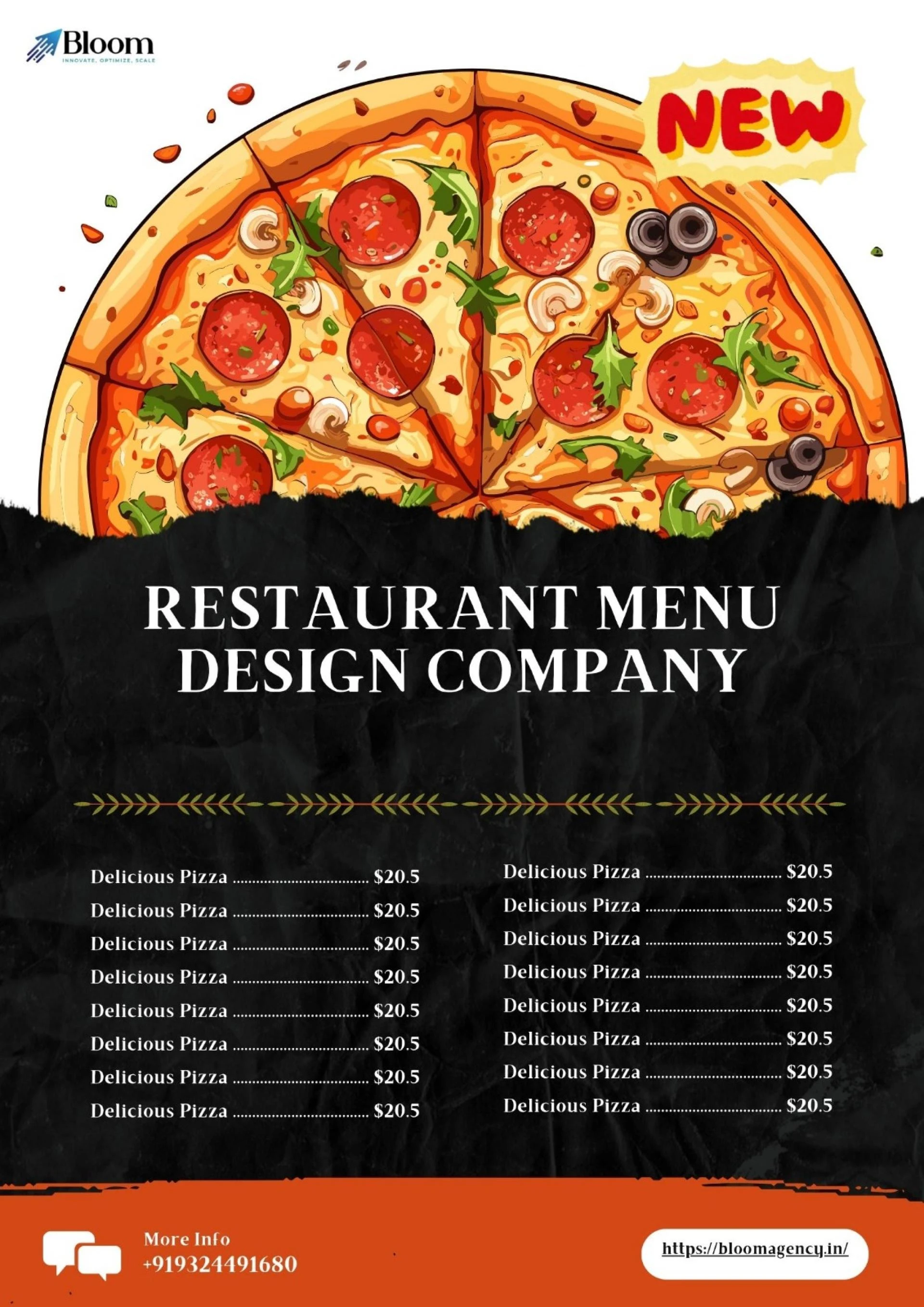

Menu Design Agency: Creating Visual Experiences That Drive Sales
In the fast-paced world of food and beverage, where diners are overwhelmed with choices, your menu isn’t just a list of dishes—it’s a powerful marketing tool. The way a menu is designed can dramatically impact a customer's dining experience and directly influence revenue. That’s where a menu design agency comes into play.
These specialized agencies blend creativity, marketing psychology, and industry knowledge to craft menus that are visually compelling, strategically structured, and aligned with your brand’s identity. In this article, we’ll explore what menu design agencies do, why they matter, and how they help restaurants and food businesses thrive.
What Is a Menu Design Agency?
A menu design agency is a professional creative agency that focuses on developing custom-designed menus for food establishments—ranging from restaurants, cafes, bars, and food trucks to luxury resorts and cloud kitchens. Their work encompasses not just layout and aesthetics, but also branding, content hierarchy, usability, and marketing strategy.
They often work closely with graphic designers, content writers, marketing consultants, food stylists, and printers to deliver a cohesive, on-brand experience.
Why Menu Design Matters
1. First Impressions Count
Your menu is often the first branded material customers interact with. A well-designed menu sets the tone and reflects the personality and quality of your establishment.
2. Influences Buying Behavior
Strategically placed items, highlighted chef’s specials, pricing psychology, and persuasive language can subtly guide diners toward higher-margin dishes.
3. Enhances Customer Experience
Menus that are easy to read, logically organized, and visually engaging reduce decision fatigue and create a smoother dining experience.
4. Boosts Sales and Profit Margins
Professional menu design can significantly impact your bottom line by encouraging upsells, combo selections, and premium item choices.
Key Services Offered by a Menu Design Agency
1. Custom Menu Design
From dine-in to digital menus, agencies create visually stunning layouts tailored to your restaurant’s identity, cuisine type, and target audience.
2. Menu Engineering & Strategy
This involves analyzing the popularity and profitability of menu items and strategically placing them for optimal impact. Techniques like decoy pricing, bundling, and visual anchoring are used.
3. Content Writing & Food Descriptions
Great menus use vivid, descriptive language to entice readers. Agencies often collaborate with copywriters who specialize in writing mouth-watering descriptions.
4. Multilingual Menus
For international markets or tourist-heavy locations, agencies can create multi-language menu versions to cater to diverse audiences.
5. Digital Menu Boards & QR Code Menus
With the shift toward contactless service and digital transformation, agencies now offer digital menu design services optimized for screens, mobile, and tablets.
6. Branding and Visual Identity
Many menu design agencies also offer complementary branding services—logos, packaging, signage, and restaurant collaterals—to ensure consistency across all touchpoints.
Types of Menus Designed
- Dine-in Menus (A4, bi-fold, tri-fold)
- Takeaway Menus
- Bar Menus / Drink Lists
- Dessert Menus
- Special Event or Seasonal Menus
- Wall-mounted Menus
- Digital Screens / Tablets
- QR Code Linked Menus (mobile-optimized)
Industries That Benefit from Menu Design Agencies
While restaurants are the primary clients, many other industries benefit from professional menu design:
- Cafes & Coffee Shops
- Bars & Lounges
- Food Courts
- Cloud Kitchens / Delivery-Only Brands
- Hotels & Resorts
- Catering Services
- Airline and Cruise Menus
Trends in Modern Menu Design
1. Minimalist Aesthetics
Clean lines, bold typography, and ample white space are replacing cluttered layouts, giving a premium and modern look.
2. Sustainability Messaging
Eco-conscious establishments are highlighting farm-to-table stories, organic ingredients, and carbon-friendly dishes.
3. Augmented Reality Menus
Some innovative restaurants now integrate AR menus, where diners can see 3D visualizations of their dishes before ordering.
4. Dark Mode / Night Theme
Dark-colored menus with neon or metallic accents are becoming trendy, especially in upscale bars and fusion restaurants.
5. Mobile-First Design
Since many diners browse menus on their phones, mobile-optimized, fast-loading menus are a necessity.
The Process of Working with a Menu Design Agency
Step 1: Consultation & Brand Discovery
Understanding the restaurant’s theme, target audience, pricing structure, and core dishes.
Step 2: Menu Strategy & Engineering
Analyzing best-sellers and high-margin items, deciding layout hierarchy and placement strategy.
Step 3: Design Concept Development
Creating multiple design prototypes with different layouts, color palettes, and typography styles.
Step 4: Content Finalization
Writing compelling dish descriptions, setting pricing formats, and incorporating dietary labels (vegan, gluten-free, etc.).
Step 5: Proofing and Printing
High-resolution proofing, mockups, and final print-ready files are produced for both digital and physical versions.
Benefits of Hiring a Professional Menu Design Agency
- Expertise in Food Industry Aesthetics
- Time-Saving for Restaurant Owners
- Access to Marketing Strategy & Psychology
- Better Customer Retention & Experience
- Up-to-date with Trends and Tech
- Consistency in Branding
- Flexible Formats (Print + Digital)
Choosing the Right Menu Design Agency
When selecting a menu design agency, consider:
- Portfolio of Past Work – Look for variety and creativity.
- Experience in Your Niche – For example, fine dining vs fast food.
- Client Reviews and Case Studies
- Design + Strategy Capabilities – Not just aesthetics but sales-driven design.
- Turnaround Time and Revisions Policy
- Pricing Transparency
Future of Menu Design: What’s Next?
With AI tools, smart restaurant systems, and personalization on the rise, the future of menu design is both exciting and data-driven. Imagine menus that adapt based on customer preferences, time of day, or even the weather. Integration with POS systems and dynamic pricing are also being explored.
Digital menus will likely continue evolving with animations, voice search, smart recommendations, and even integration with loyalty programs and nutrition tracking apps.
Final Thoughts
A well-crafted menu is much more than a pretty piece of paper—it’s a strategic asset that can elevate your brand, increase average order value, and enhance customer satisfaction. Partnering with a professional menu design agency ensures that your menu isn’t just functional, but also a true representation of your culinary identity.
In a competitive hospitality market, design-driven decisions matter. Investing in expert menu design is no longer optional—it’s essential.

























Sign in to leave a comment.