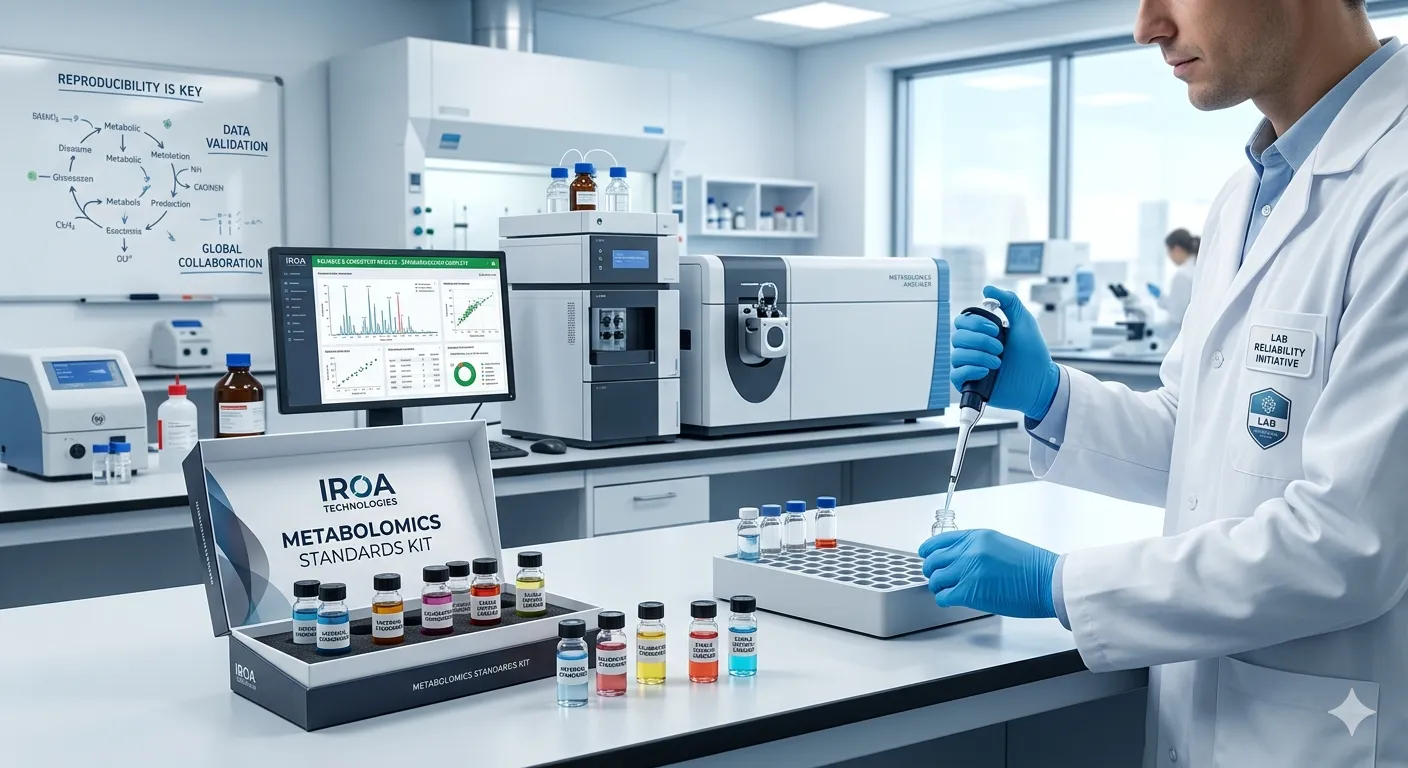
Metabolomics has become an essential component of modern life sciences, enabling researchers to study the complete set of metabolites present within biological systems. These small molecules provide valuable insights into cellular functions, disease mechanisms, environmental influences, and therapeutic responses. However, generating meaningful and reproducible metabolomics data requires more than advanced instrumentation—it requires adherence to robust Metabolomics Standards.
As the field continues to expand across academic, pharmaceutical, clinical, and biotechnology applications, standardization has emerged as a critical factor for ensuring data quality, consistency, and reliability. Researchers who follow established best practices can improve experimental reproducibility, facilitate cross-study comparisons, and generate results that support confident scientific conclusions.
Why Standards Matter in Metabolomics
Metabolomics workflows involve multiple complex steps, including sample collection, preparation, data acquisition, processing, and interpretation. Variations at any stage can significantly affect the final results.
Without standardized procedures, researchers may encounter challenges such as:
- Poor reproducibility
- Inconsistent metabolite identification
- Experimental bias
- Difficulties comparing studies
- Reduced confidence in biological findings
By implementing standardized methodologies, laboratories can minimize technical variability and improve the overall reliability of metabolomic analyses.
Key Areas Where Standardization Is Essential
Effective metabolomics research requires attention to standardization throughout the entire analytical workflow.
1. Sample Collection and Storage
The quality of metabolomics data begins with proper sample handling. Metabolite levels can change rapidly after collection due to ongoing biological activity.
Best practices include:
- Using consistent collection protocols
- Minimizing processing delays
- Maintaining controlled temperatures
- Avoiding repeated freeze-thaw cycles
- Documenting collection conditions thoroughly
Proper sample management helps preserve the original metabolic profile and reduces unwanted variability.
2. Sample Preparation Procedures
Different extraction methods can influence metabolite recovery and detection sensitivity.
Researchers should establish standardized protocols for:
- Solvent selection
- Extraction conditions
- Sample volumes
- Centrifugation parameters
- Storage of prepared extracts
Using consistent procedures ensures that observed metabolic differences reflect biological changes rather than technical artifacts.
3. Instrument Calibration and Quality Control
Advanced analytical technologies such as mass spectrometry (MS) and nuclear magnetic resonance (NMR) spectroscopy require routine calibration and performance monitoring.
Laboratories should regularly:
- Verify instrument performance
- Use calibration standards
- Monitor system stability
- Evaluate signal consistency
- Perform routine maintenance
Quality control samples provide an additional layer of assurance by helping researchers identify analytical drift and instrument-related issues.
The Role of Internal Standards
One of the most effective tools for improving data quality is the use of internal standards.
Internal standards help researchers:
- Correct for extraction variability
- Normalize instrument response
- Improve quantification accuracy
- Monitor analytical performance
- Enhance reproducibility
Stable isotope-labeled compounds are particularly valuable because they closely mimic the behavior of endogenous metabolites throughout the analytical workflow.
Companies such as IROA Technologies have pioneered innovative isotopic labeling approaches that strengthen quality control and support highly reproducible metabolomics research.
Data Processing and Analysis Best Practices
The increasing complexity of metabolomics datasets requires rigorous computational methods.
Researchers should standardize:
Data Preprocessing
Consistent preprocessing methods help eliminate technical variation and improve comparability.
This includes:
- Peak detection
- Alignment
- Normalization
- Noise reduction
- Batch correction
Metabolite Identification
Accurate metabolite identification remains one of the most challenging aspects of metabolomics.
Researchers should:
- Use validated reference databases
- Confirm identifications with authentic standards when possible
- Apply accepted confidence-level reporting systems
- Clearly document identification criteria
Transparent reporting strengthens the credibility of published findings and facilitates future validation efforts.
Reporting and Documentation Standards
Comprehensive reporting is essential for ensuring transparency and reproducibility.
Researchers should document:
- Sample characteristics
- Experimental design
- Instrument settings
- Quality control procedures
- Data processing methods
- Statistical analyses
Detailed reporting allows other scientists to replicate studies and verify findings independently.
Organizations such as the Metabolomics Society and the Metabolomics Standards Initiative (MSI) have developed recommendations that guide researchers toward more consistent and transparent practices.
For additional information about community standards and resources, visit the official Metabolomics Society website: https://metabolomicssociety.org/
Common Challenges in Standardization
Despite significant progress, achieving complete standardization across laboratories remains challenging.
Some common obstacles include:
- Differences in instrumentation
- Diverse biological sample types
- Evolving analytical technologies
- Variations in computational workflows
- Limited availability of reference materials
Addressing these challenges requires continued collaboration among researchers, technology providers, and regulatory organizations.
The Future of Metabolomics Standardization
As metabolomics becomes increasingly integrated into clinical research, drug development, and precision medicine, the need for standardized methodologies will continue to grow.
Future developments are likely to include:
- Improved reference databases
- Enhanced quality control materials
- Automated data processing workflows
- Greater adoption of isotope-based standards
- Increased regulatory guidance
These advances will help strengthen confidence in metabolomics data and support broader implementation across scientific and healthcare applications.
Conclusion
High-quality metabolomics research depends on consistency, transparency, and reproducibility. By following established best practices throughout sample collection, preparation, analysis, and reporting, researchers can generate reliable data that drive meaningful scientific discoveries.
The adoption of Metabolomics Standards helps reduce technical variability, improve cross-study comparability, and enhance confidence in biological interpretations. As the field continues to evolve, organizations like IROA Technologies play an important role in advancing innovative solutions that support robust and reproducible metabolomics workflows.
Ultimately, strong standardization practices will accelerate scientific progress and expand the impact of metabolomics across research, diagnostics, and personalized medicine.
Frequently Asked Questions (FAQs)
1. What are metabolomics standards?
Metabolomics standards are established guidelines, protocols, and reference materials used to improve consistency, accuracy, and reproducibility in metabolomics research.
2. Why are standards important in metabolomics?
Standards help minimize technical variability, improve data quality, and ensure that research findings can be reliably reproduced and compared across studies.
3. What role do internal standards play in metabolomics?
Internal standards help correct analytical variability, improve quantification accuracy, and support quality control throughout the metabolomics workflow.
4. What is the Metabolomics Standards Initiative (MSI)?
The Metabolomics Standards Initiative is a community-driven effort that provides recommendations for data reporting, metabolite identification, and experimental best practices.
5. How does IROA Technologies support metabolomics research?
IROA Technologies offers innovative isotope-labeling and quality control solutions that help researchers improve data reliability, reproducibility, and metabolite identification accuracy.




























Sign in to leave a comment.