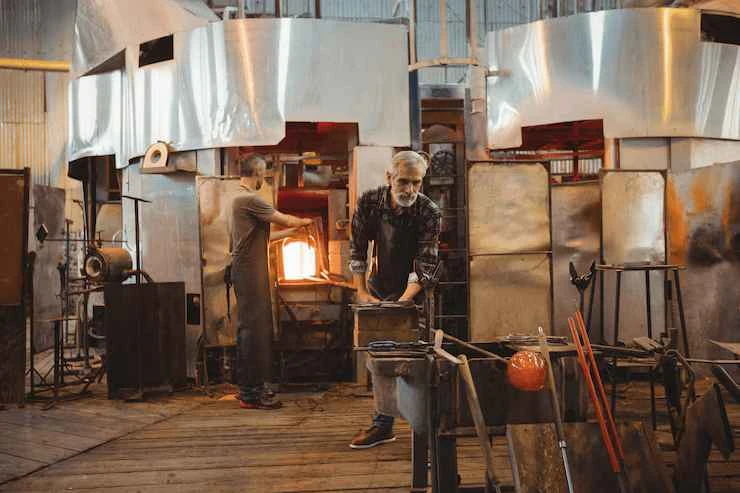

Understanding Custom Odoo ERP Needs in the Metal Fabrication Industry
A complex ecosystem, the metal fabrication business includes operations such as cutting, machining, welding, assembling, and finishing. Tight coordination and ongoing oversight are necessary for these tasks in order to sustain output and satisfy quality requirements. But general ERP systems sometimes don't handle the unique operational requirements and processes found in metal manufacturing settings.
ERP systems that provide dynamic scheduling, multi-level production tracking, custom bill of materials (BOM), and real-time visibility are essential for metal fabricators. The odoo customization service becomes quite important in this situation. Metal fabricators can integrate their ERP system with shop floor operations, machine maintenance plans, and material procurement cycles by utilising customised modules and processes. Custom Odoo solutions can help improve cost control and resource planning, remove process silos, and unify operations across divisions.
How Odoo’s Modular ERP System Fits Metal Fabricators Operations
Manufacturing Module: Manages production orders, work centers, and routing. Enables real-time tracking of production and helps optimize resource usage across all fabrication stages.
Inventory Management: Tracks raw materials and finished goods, monitors stock levels, and supports multi-location warehouses to streamline supply chain operations.
Purchase Management: Automates procurement workflows, sets vendor rules, and ensures timely purchase of materials based on demand forecasts and production planning.
Quality Management: Conducts quality checks at various production stages. Helps maintain compliance with industry standards and ensures defect-free output.
Maintenance Management: Schedules preventive and corrective maintenance for machines. Reduces unplanned downtimes and extends equipment lifespan.
Project Management: Plans and tracks custom metal projects, assigns tasks, manages resources, and ensures projects stay within budget and timeline.
Key Tailoring Capabilities to Improve Metal Industry Production Efficiency
Custom Bill of Materials (BOM): Enables multi-level BOMs with unique configurations for different products. Supports flexible component substitutions and production variants.
Real-Time Shop Floor Integration: Syncs machines and workstations with the ERP system. Displays live progress and resource usage directly from the shop floor.
Dynamic Routing and Scheduling: Adjusts production routes and task sequences automatically based on job priority, machine availability, and workforce capacity.
Barcode and RFID Integration: Improves inventory accuracy, speeds up raw material tracking, and ensures fast data capture for production and logistics.
Automated Cost Calculation: Tracks cost of raw materials, labor, and overheads in real time to offer accurate production cost estimation and profit margin insights.
Custom Workflow Automation: Tailors approval processes, task triggers, and notifications to suit internal SOPs and compliance requirements.
Production Performance Analytics: Provides KPIs like machine utilization, downtime, scrap rate, and delivery performance to identify bottlenecks and optimize operations.
Challenges in the Metal Fabrication Industry and the Need for Tailored ERP Solutions
Complex Production Planning: Coordinating multiple processes across machines and teams often leads to scheduling conflicts and resource underutilization.
Inventory Inaccuracy: Manual tracking or disconnected systems result in overstocking or stockouts, causing delays and increased operational costs.
Low Process Visibility: Without real-time data, it’s difficult to monitor production status or respond quickly to changes in demand or supply chain disruptions.
Manual Workflows and Data Entry: Relying on spreadsheets or paper processes increases the risk of human error and reduces operational efficiency.
High Scrap and Rework Rates: Lack of standardization and real-time quality checks can lead to defective output, wasting materials and time.
Machine Downtime: Inadequate maintenance planning causes unplanned downtimes, affecting production timelines and delivery commitments.
Limited Scalability: As businesses grow, legacy systems struggle to handle increased order volumes, multi-location operations, and custom client requirements.
How Odoo Customized ERP Solutions Support Scalability and Growth
For metal fabricators wishing to broaden their product lines or grow their operations, scalability is a crucial factor. Businesses require adaptable technologies to swiftly adjust to changing market demands without interfering with their core company processes. Odoo provides a strong base on which modules may be merged, scaled, or tailored to meet changing business needs, such as managing international suppliers or adding additional production lines.
Businesses can set up user roles, reporting tools, and workflows to suit their growth goals by utilising the odoo customization service. Custom Odoo solutions give metal fabricators the confidence to expand by automating vendor administration, using new costing techniques, or allowing real-time analytics across numerous sites. These solutions provide a strong basis for long-term growth by lowering operational costs, improving decision-making, and providing smooth upgrades as business complexity rises.





















Sign in to leave a comment.