
In the era of digital-first business, organizations are under pressure to innovate faster, reduce costs, and improve operational efficiency. Cloud computing has emerged as the backbone of this transformation, and among cloud platforms, Microsoft Azure has proven to be a leading solution. Leveraging Microsoft Azure managed services allows businesses to harness the full potential of the cloud while focusing on strategic initiatives rather than day-to-day IT management.
Managed services on Azure enable enterprises to streamline operations, maintain security, and ensure scalability—all critical components of successful digital transformation. This guide explores why Azure managed services are essential, the benefits they offer, and how businesses can adopt them effectively.
Understanding Microsoft Azure Managed Services
Microsoft Azure managed services refer to third-party or provider-led support that helps businesses manage their Azure cloud environments. These services cover a wide spectrum, including infrastructure management, application monitoring, security, compliance, backup, and disaster recovery.
Unlike self-managed cloud setups, Azure managed services allow organizations to offload operational responsibilities to experts, enabling internal teams to focus on innovation, business strategy, and customer experience.
The Role of Azure Managed Services in Digital Transformation
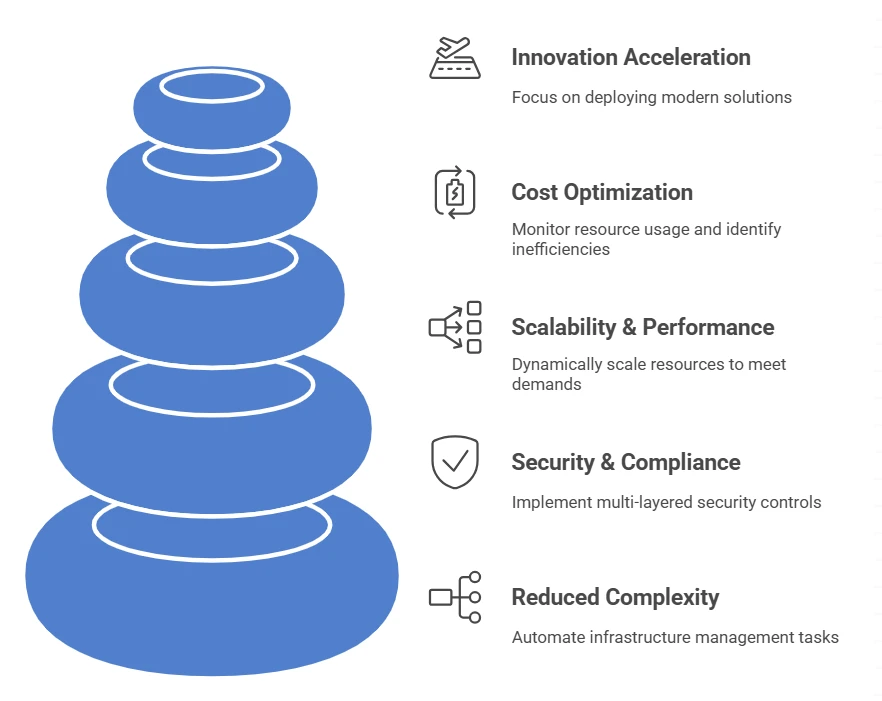
Digital transformation requires agility, data-driven decision-making, and optimized IT infrastructure. Microsoft Azure managed services facilitate this transformation by:
- Reducing Operational Complexity – Managing cloud infrastructure, updates, patches, and monitoring can be resource-intensive. Managed services automate these tasks, ensuring seamless performance and fewer disruptions.
- Ensuring Security and Compliance – Azure managed service providers implement multi-layered security controls, identity management, encryption, and compliance reporting. This reduces risks and ensures adherence to industry standards.
- Enhancing Scalability and Performance – Managed services allow dynamic scaling of resources to meet business demands without downtime. Applications run optimally even during peak usage.
- Optimizing Costs – Providers help organizations monitor resource usage, optimize VM instances, and identify inefficiencies, reducing unnecessary cloud spending.
- Accelerating Innovation – With routine IT operations handled, internal teams can focus on deploying AI, analytics, IoT, and other modern solutions to enhance competitiveness.
Key Components of Microsoft Azure Managed Services
A comprehensive Azure managed service approach covers the following critical areas:
1. Infrastructure Management
Providers handle virtual machines, networking, storage, and database management. Automation tools like Azure Resource Manager (ARM) simplify provisioning, scaling, and updates.
2. Security and Compliance
Azure managed services include:
- Advanced threat detection
- Vulnerability management
- Multi-factor authentication and role-based access controls
- Compliance management for industries like healthcare, finance, and government
3. Backup and Disaster Recovery
Azure Backup and Site Recovery services ensure business continuity, protecting critical workloads from outages, data loss, and cyberattacks.
4. Monitoring and Performance Optimization
Continuous monitoring of applications and infrastructure ensures optimal performance. Providers use tools like Azure Monitor and Log Analytics to detect anomalies and optimize resource usage.
5. Application Support and Management
Managed services also cover deployment, configuration, and patching of enterprise applications. This ensures uninterrupted operations and improved user experiences.
Benefits of Leveraging Azure Managed Services
1. Focus on Core Business Goals
Offloading operational tasks to Azure experts allows internal IT teams to concentrate on innovation, customer engagement, and strategic projects.
2. Faster Time-to-Market
With infrastructure and application management handled efficiently, businesses can deploy new solutions faster and respond quickly to market changes.
3. Enhanced Reliability and Uptime
Managed services ensure high availability with automated monitoring, proactive issue resolution, and disaster recovery support.
4. Cost-Efficiency
Pay-as-you-go models combined with expert resource management reduce unnecessary expenditures and optimize ROI on cloud investments.
5. Improved Compliance and Security
Maintaining compliance with industry standards is simplified through continuous monitoring, reporting, and security management provided by Azure managed service experts.
6. Scalability and Flexibility
Azure managed services provide the flexibility to scale workloads, storage, and applications up or down based on real-time business requirements.
Implementing Microsoft Azure Managed Services for Digital Transformation
Implementing Azure managed services involves several strategic steps:
Step 1: Assessment and Planning
Identify current IT infrastructure, workloads, and pain points. Define business objectives for digital transformation, such as improved agility, innovation, or cost reduction.
Step 2: Selecting a Managed Service Provider
Choose a provider with expertise in Azure, strong security practices, and a track record of successful cloud management. Evaluate their service offerings, SLAs, and compliance certifications.
Step 3: Migration and Onboarding
Move workloads to Azure using automated tools like Azure Migrate. The managed service provider ensures minimal downtime and seamless transition.
Step 4: Integration and Optimization
Integrate applications, databases, and business processes with Azure services. Continuously optimize workloads for performance, cost, and scalability.
Step 5: Continuous Monitoring and Support
Managed services provide 24/7 monitoring, incident response, patch management, and reporting, ensuring high availability and reliability.
Real-World Applications of Azure Managed Services
- Healthcare – Protect sensitive patient data, ensure uptime for critical systems, and maintain HIPAA compliance.
- Finance – Secure banking applications, monitor transactions, and meet strict regulatory standards.
- Retail – Scale e-commerce platforms during peak seasons while optimizing costs and performance.
- Manufacturing – Maintain continuous operations with disaster recovery and application monitoring.
- Government – Safeguard citizen data and ensure compliance with public-sector regulations.
Azure managed services provide these industries with the flexibility, security, and scalability required for modern business operations.
Challenges and Considerations
- Vendor Dependence: Relying heavily on a managed service provider may create dependency; choose providers with transparency and flexible service models.
- Integration Complexity: Legacy systems may require careful planning for cloud integration.
- Cost Management: Continuous monitoring is essential to avoid over-provisioning and optimize cloud spending.
- Change Management: Ensure employees are trained to work with cloud-enabled tools and processes.
Mitigating these challenges involves strategic planning, selecting the right Azure partner, and leveraging best practices.
Why HexaCorp for Microsoft Azure Managed Services
HexaCorp provides comprehensive Microsoft Azure managed services tailored for enterprises seeking digital transformation:
- End-to-end Azure cloud management
- Security, compliance, and monitoring
- Backup and disaster recovery
- Application modernization and DevOps integration
- Cost optimization and reporting
By partnering with HexaCorp, businesses can accelerate cloud adoption, reduce operational complexity, and focus on innovation.
Conclusion
Digital transformation is no longer optional—it’s essential for competitiveness and growth. Microsoft Azure managed services empower organizations to streamline operations, enhance security, reduce costs, and scale workloads efficiently.
By leveraging Azure managed services, enterprises can focus on strategic initiatives, deploy applications faster, and maintain business continuity while staying compliant and secure. Azure provides the foundation, and managed services enable organizations to maximize the platform’s value.
Embracing Azure managed services is a critical step toward successful digital transformation, ensuring businesses remain agile, innovative, and future-ready.
































Sign in to leave a comment.